Category: Dentists

  • How Diet Affects Your Teeth Whitening Results

    How Diet Affects Your Teeth Whitening Results

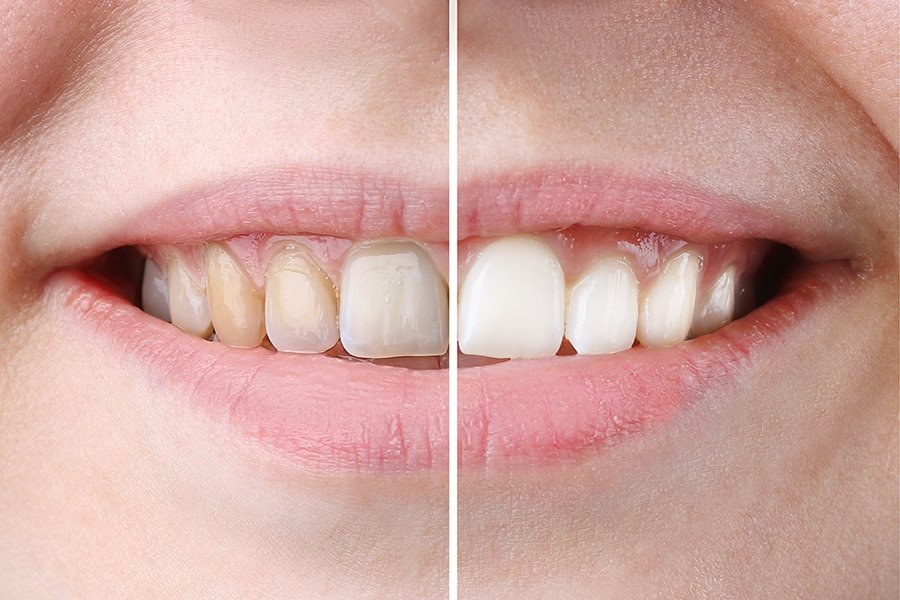
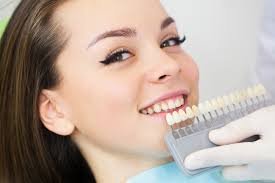
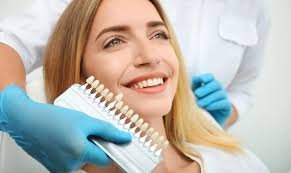
    When you invest in teeth whitening, whether through professional treatments or at-home products, you expect to see a noticeable change. However, the longevity and effectiveness of those whitening results can be significantly impacted by your diet. Certain foods and drinks can cause staining, while others can help maintain or even enhance the whiteness of your teeth. Understanding the relationship between diet and teeth whitening is key to maximizing the benefits of your treatment and keeping your smile bright for longer.

    In this article, we’ll explore how your diet affects your teeth whitening results, highlight foods that may hinder your progress, and provide tips on how to eat for a whiter, healthier smile.


    1. Foods That Cause Staining and How to Avoid Them

    Some foods and drinks are notorious for causing stains on teeth, particularly after a whitening treatment when your enamel may be more porous. These items can undo the effects of whitening and lead to yellowing or dullness. Here are some of the main culprits:

    • Coffee and Tea: Both drinks contain tannins and acids that can promote staining. Dark tea varieties and coffee, especially when consumed regularly, are among the biggest offenders.
    • Red Wine: The deep red color and tannins in red wine can leave stubborn stains on your teeth. Even if you rinse your mouth after drinking it, the compounds can still cling to enamel and cause discoloration over time.
    • Cola and Soft Drinks: Many sugary sodas contain both acids and artificial coloring, which can lead to enamel erosion and staining.
    • Berries: Although healthy, berries like blueberries, blackberries, and pomegranates are packed with pigment that can stain your teeth if consumed frequently.
    • Soy Sauce and Tomato Sauces: These flavorful ingredients contain pigments that can discolor teeth, especially when used in large amounts.

    How to Avoid Staining:
    If you must consume these staining foods and drinks, try to drink them through a straw to minimize contact with your teeth. Additionally, rinse your mouth with water immediately afterward to help wash away any residue that could lead to staining.


    2. Foods That Help Maintain a Bright Smile

    On the other hand, certain foods can help you maintain your teeth’s whiteness by preventing plaque buildup, reducing staining, and even promoting enamel health. Here are some foods that can support your teeth whitening efforts:

    • Crunchy Vegetables and Fruits: Apples, celery, and carrots are natural “scrubbers” that help remove surface stains as you chew. Their high water content also helps rinse away food particles and neutralize acids in the mouth.
    • Cheese and Dairy Products: Cheese, yogurt, and milk are rich in calcium and other essential nutrients that promote strong, healthy enamel. Additionally, cheese helps balance the acidity in the mouth and can prevent staining.
    • Leafy Greens: Vegetables like spinach, kale, and lettuce are high in fiber and help stimulate saliva production, which is important for neutralizing acids and washing away food particles that can lead to staining.
    • Nuts: Almonds, walnuts, and other nuts are naturally abrasive and can help scrub your teeth as you chew. They also provide healthy fats that contribute to overall oral health.
    • Water: Water is perhaps the best drink for maintaining your teeth’s brightness. It helps rinse away food particles, keeps your mouth hydrated, and promotes the production of saliva, which plays a crucial role in keeping your enamel healthy and free of stains.
    How Diet Affects Your Teeth Whitening Results
    How Diet Affects Your Teeth Whitening Results

    How to Include These Foods in Your Diet:
    Incorporate these teeth-friendly foods into your daily meals. A salad with spinach, carrots, and apples, followed by a piece of cheese or a handful of almonds, can make for a tooth-friendly snack that supports your whitening efforts.


    3. The Impact of Sugar and Acidic Foods

    In addition to staining foods, sugary and acidic foods can contribute to enamel erosion, which can make your teeth more susceptible to discoloration and sensitivity. The acids in foods like citrus fruits, soda, and candy wear down enamel, leaving your teeth more vulnerable to staining and decay.

    Sugar and Acidic Foods to Watch Out For:

    • Citrus Fruits: While healthy, citrus fruits like lemons, oranges, and grapefruits are highly acidic and can erode enamel over time. If you consume them regularly, they may counteract your whitening efforts.
    • Candy and Sugary Snacks: Sugary foods can increase plaque buildup and foster an environment in which bacteria thrive. This can lead to staining and cavities, which will make your teeth look dull and unhealthy.
    • Tomato-based Products: While tomatoes are nutrient-rich, tomato-based sauces and ketchup are acidic and can cause enamel erosion, which makes staining more noticeable.

    How to Mitigate Their Effects:
    If you enjoy acidic or sugary foods, try to drink plenty of water afterward to neutralize the acids and help wash away food particles. Also, wait at least 30 minutes before brushing your teeth after consuming acidic foods to avoid further enamel damage.


    4. How Smoking Affects Teeth Whitening Results

    In addition to diet, smoking has a major impact on the effectiveness of teeth whitening treatments. Tobacco products, including cigarettes and smokeless tobacco, contain nicotine and tar, both of which can cause severe staining and discoloration. Smoking not only leads to yellowing of teeth but also increases the risk of gum disease and oral cancer, which further compromise your oral health.

    How Smoking Affects Whitening Results:
    Even if you whiten your teeth professionally or use at-home products, smoking can quickly reverse the effects. The chemicals in tobacco stick to the enamel, causing yellow or brown stains that are difficult to remove. Moreover, smoking reduces blood circulation to the gums, impairing your body’s ability to heal and maintain healthy teeth.

    How to Minimize Smoking’s Impact:
    The most effective way to maintain your teeth’s brightness and overall health is to quit smoking. If quitting is not an option, try using whitening toothpaste or considering more frequent whitening treatments to combat the staining effects of tobacco.


    5. Timing Your Diet Around Teeth Whitening Treatments

    Your diet should be adjusted not only for long-term oral health but also in the short term following a whitening treatment. Immediately after whitening, your teeth can be more porous, making them more susceptible to staining. This period, often referred to as the “whitening window,” typically lasts 48 hours after a professional treatment or a few days after at-home whitening products.

    Foods to Avoid Right After Whitening:

    • Dark-colored foods and drinks (coffee, tea, red wine, etc.)
    • Acidic foods and drinks (citrus fruits, sodas, etc.)
    • Tobacco products

    Foods to Enjoy Right After Whitening:

    • Soft, non-acidic fruits like bananas and melons.
    • Dairy products like milk, yogurt, and cheese to help remineralize enamel.
    • Vegetables like cucumbers and leafy greens to keep the mouth clean and hydrated.

    Conclusion

    Your diet plays a crucial role in maintaining the results of your teeth whitening efforts. By avoiding foods and drinks that cause staining, incorporating teeth-friendly foods that promote enamel health, and minimizing your intake of sugary and acidic substances, you can help preserve the brightness of your smile. Smoking, too, can undo whitening results, so quitting or reducing tobacco use will also support your whitening goals.

    Remember, maintaining a good diet for oral health goes hand-in-hand with regular brushing, flossing, and professional dental checkups. By combining a healthy diet with proper oral care, you can enjoy a brighter, healthier smile for longer.

  • How to Maintain a Bright Smile After Whitening

    How to Maintain a Bright Smile After Whitening

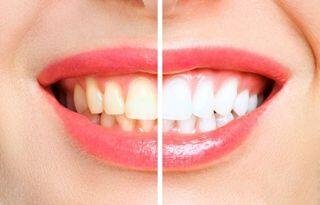
    After investing time and money into whitening your teeth, you’ll want to make sure that your bright, white smile lasts as long as possible. Teeth whitening can significantly enhance the appearance of your smile, but the results aren’t permanent. To maintain your bright smile and protect your teeth from new stains, it’s important to follow a few key habits and practices. In this article, we’ll explore practical steps you can take to keep your teeth white after a whitening treatment and ensure the longevity of your results.


    1. Avoid Staining Foods and Drinks

    Certain foods and beverages are known to cause staining and can affect the whiteness of your teeth after whitening. These include:

    • Coffee and Tea: Both of these drinks contain tannins, which can cause discoloration. They also have acids that can weaken enamel, making your teeth more prone to staining.
    • Red Wine: Like coffee and tea, red wine has tannins and a deep color that can cause staining.
    • Berries: While healthy, berries like blueberries, blackberries, and pomegranates have natural pigments that can cling to tooth enamel.
    • Soy Sauce, Curry, and Tomato Sauces: These foods can leave behind pigments that stain your teeth.
    • Beetroot: Known for its deep red color, beetroot can leave lasting stains if consumed frequently.

    To minimize staining, try to limit your consumption of these foods and drinks. If you do indulge, consider drinking through a straw (for beverages) or rinsing your mouth with water afterward to help wash away any residues.


    2. Brush and Floss Regularly

    Maintaining a consistent oral hygiene routine is crucial for keeping your teeth white. After whitening, plaque and food particles are more visible on your teeth, and regular brushing and flossing can help prevent staining.

    • Brush Twice a Day: Use a fluoride toothpaste and a soft-bristled toothbrush to clean your teeth gently twice a day. Be cautious about using whitening toothpaste immediately after whitening, as it may be too abrasive and can contribute to tooth sensitivity. Instead, wait a couple of days before using whitening toothpaste again.
    • Floss Daily: Flossing helps to remove plaque and food debris from between your teeth, areas that your toothbrush might miss. This prevents build-up and discoloration in hard-to-reach spots.
    • Rinse with Mouthwash: Choose a mouthwash that doesn’t contain alcohol, as alcohol can dry out your mouth. Mouthwash can help eliminate bacteria, reduce plaque, and freshen your breath, all while preventing stains from building up.

    3. Drink Plenty of Water

    Drinking water not only keeps you hydrated but also helps wash away food particles and staining substances that can cling to your teeth. After consuming foods or beverages that are more likely to cause staining (like coffee or red wine), swish some water in your mouth to help remove the residue and minimize staining.

    Water is also essential for saliva production, which plays a vital role in neutralizing acids and preventing plaque formation. Keeping your mouth moist can help prevent new stains from forming, ensuring your smile stays bright.

    How to Maintain a Bright Smile After Whitening
    How to Maintain a Bright Smile After Whitening

    4. Use a Straw for Staining Beverages

    If you can’t resist your favorite staining beverages, like coffee or soda, using a straw can help limit contact between the liquid and your teeth. When you drink through a straw, the liquid bypasses most of your teeth, reducing the risk of stains.

    While straws won’t protect you from all staining effects, they can certainly help minimize exposure to liquids that may discolor your teeth.


    5. Avoid Smoking and Tobacco Products

    Smoking and using tobacco products can quickly undo the effects of teeth whitening. Tobacco contains nicotine and tar, both of which are known to cause stubborn, yellowish stains on teeth. Even if you’ve just had a whitening treatment, smoking will eventually lead to discoloration and make your smile look dull.

    Quitting smoking not only benefits your oral health but also helps preserve the results of your whitening treatment, allowing you to maintain a bright smile for much longer.


    6. Touch Up Your Whitening Treatment

    Over time, your teeth may naturally darken again due to the build-up of surface stains or other factors like aging. To keep your smile bright, consider scheduling periodic touch-ups with your dentist or using at-home whitening kits.

    • In-Office Touch-Ups: If you’ve had a professional whitening treatment, you can go back to your dentist for a touch-up. These treatments typically cost less than a full whitening session and can help refresh your results.
    • At-Home Whitening Kits: Many dentists provide take-home whitening kits that you can use to maintain your results. These kits typically contain custom-fit trays and professional-grade bleaching gel to help whiten your teeth gradually at home.

    If you choose to use over-the-counter whitening products, be sure to follow the instructions carefully and avoid overuse to prevent tooth sensitivity.


    7. Use Whitening Touch-Up Pens or Strips

    For a quick fix between professional treatments or at-home whitening sessions, you can use whitening pens or strips. These are designed for easy application and can help maintain your white smile without requiring a full treatment.

    Whitening pens are small and portable, making them easy to carry around. Simply apply the gel to your teeth after meals, and you’ll see a gradual improvement in your smile’s brightness. Whitening strips also work similarly, but they provide a more extensive whitening effect than pens.


    8. Maintain Regular Dental Checkups

    Visiting your dentist regularly is essential for maintaining not only a bright smile but also overall oral health. During routine cleanings, your dentist can remove plaque and tartar that may have accumulated since your last visit. Professional cleanings help maintain the results of your whitening treatment by keeping your teeth free from the buildup of staining agents.

    Additionally, regular checkups allow your dentist to monitor your oral health and address any concerns that may affect the appearance of your smile.


    9. Be Mindful of Your Diet

    Eating a healthy, balanced diet can help keep your teeth white by reducing the risk of plaque build-up and promoting good oral health. Crunchy fruits and vegetables, such as apples and carrots, can naturally scrub your teeth and help reduce stains. Dairy products, like cheese and yogurt, contain calcium, which strengthens tooth enamel and can help protect against discoloration.

    Limit your intake of sugary and acidic foods, which can contribute to tooth decay and staining. A well-balanced diet rich in fiber, vitamins, and minerals can support both your overall health and the health of your teeth.


    Conclusion

    Maintaining a bright smile after whitening is all about establishing healthy oral habits and being mindful of factors that could cause staining. By avoiding staining foods and drinks, brushing and flossing regularly, using a straw for beverages, and scheduling regular touch-ups, you can enjoy a long-lasting, bright smile. Don’t forget to visit your dentist regularly for professional cleanings and advice on maintaining your teeth’s whiteness.

    With the right care, your investment in teeth whitening will continue to pay off, helping you maintain a smile that’s not only beautiful but also healthy for years to come.

  • In-Office Teeth Whitening vs. At-Home Kits

    In-Office Teeth Whitening vs. At-Home Kits

    When it comes to achieving a brighter smile, teeth whitening is a popular solution. With a variety of products available, two of the most common options are in-office teeth whitening and at-home whitening kits. While both methods can help you achieve a whiter smile, there are significant differences between the two. In this post, we’ll compare in-office teeth whitening and at-home kits to help you decide which option is best for you.

    In-Office Teeth Whitening vs. At-Home Kits
    In-Office Teeth Whitening vs. At-Home Kits

    1. Speed and Results

    One of the most noticeable differences between in-office teeth whitening and at-home kits is the speed and effectiveness of the results. In-office treatments are generally much faster and provide more immediate results compared to at-home whitening.

    In-Office Whitening:

    • Quick Results: In-office whitening treatments, such as Zoom! or laser whitening, typically take about an hour to complete. You can leave the dental office with a noticeably brighter smile—often by several shades.
    • Strong Whitening Power: Dentists use stronger whitening agents and may employ light or laser technology to enhance the effects, providing more dramatic and longer-lasting results.

    At-Home Whitening Kits:

    • Slower Results: At-home kits typically take longer to show results. You’ll need to use them consistently over the course of days or weeks, depending on the product.
    • Gradual Whitening: While at-home kits can lighten your teeth, the process is slower, and the results may not be as dramatic or immediate as those from in-office treatments.

    2. Customization and Fit

    Customization is another important factor when deciding between in-office whitening and at-home kits. A customized approach can lead to more even and effective whitening.

    In-Office Whitening:

    • Tailored Treatment: When you visit your dentist for whitening, they will assess your teeth and customize the treatment to ensure the best results. They also protect your gums and soft tissues during the procedure, ensuring that the whitening gel is applied safely.
    • Better Coverage: Dentists can use advanced technology to make sure the whitening gel covers all areas of your teeth evenly, leading to a more uniform result.

    At-Home Whitening Kits:

    • Standardized Treatment: Most at-home kits use pre-made trays or strips, which may not fit your teeth as well as customized trays provided by a dentist. This can lead to uneven whitening or discomfort.
    • Less Precision: Since you apply the whitening product yourself, there’s a higher risk of uneven application, especially around gum lines, which can lead to patchy results.

    3. Convenience

    Convenience plays a large role in choosing between in-office whitening and at-home kits. Both methods have their advantages depending on your lifestyle and preferences.

    In-Office Whitening:

    • Time Commitment: In-office treatments require you to schedule an appointment and spend time at the dentist’s office. This might not be convenient for individuals with busy schedules.
    • One-Time Visit: While it may take some time out of your day, you only need to visit the dentist once for in-office whitening, and you’ll see immediate results.

    At-Home Whitening Kits:

    • Use Anytime, Anywhere: At-home kits offer more flexibility as you can use them in the comfort of your own home and on your own schedule. Most products are designed for daily use, and you can whiten your teeth during activities like watching TV or reading.
    • No Need for Appointments: Since you don’t need to visit a dentist, at-home whitening kits are more convenient for those who prefer to avoid trips to the dental office.

    4. Cost

    Cost is often a deciding factor when choosing between in-office whitening and at-home kits. In-office whitening tends to be more expensive, but it may offer better results.

    In-Office Whitening:

    • Higher Price: Professional teeth whitening treatments are generally more expensive, ranging from $300 to $1,000 depending on the method and location. This higher price reflects the expertise of the dentist and the strength of the whitening agents used.
    • Longer-Lasting Results: While it costs more upfront, the results from in-office whitening often last longer, which may make it a more cost-effective choice in the long run.

    At-Home Whitening Kits:

    • More Affordable: At-home kits are typically more affordable, with prices ranging from $20 to $100 depending on the brand and type of kit.
    • Ongoing Costs: Although the initial investment is lower, you may need to purchase more whitening products over time to maintain the results, which can add up.

    5. Sensitivity and Safety

    Safety and tooth sensitivity are important considerations when choosing a whitening method. Both in-office and at-home options can cause temporary sensitivity, but professional treatments tend to be safer with fewer side effects.

    In-Office Whitening:

    • Professional Supervision: In-office whitening is performed by a dentist, ensuring that the treatment is applied correctly and safely. Dentists take precautions to protect your gums and sensitive areas of your mouth.
    • Minimized Sensitivity: Dentists often use products designed to minimize tooth sensitivity during the procedure, and they can adjust the treatment based on your comfort level.

    At-Home Whitening Kits:

    • Risk of Overuse: Since at-home kits are available over-the-counter, there’s a risk of overusing the product or using it incorrectly, which can lead to increased tooth sensitivity or gum irritation.
    • Less Control: Without professional supervision, there’s a greater chance of uneven application, which could cause discomfort or irritation to the gums.

    Conclusion

    Both in-office teeth whitening and at-home kits can help you achieve a brighter smile, but they differ in terms of speed, results, convenience, cost, and safety. In-office treatments offer faster, more dramatic results and are supervised by a dentist, ensuring a safer and more effective process. However, they come at a higher price. On the other hand, at-home whitening kits are more affordable and convenient but may take longer and result in less dramatic whitening. Ultimately, the choice depends on your budget, desired results, and how quickly you want to see a difference.


  • Best Methods for Professional Teeth Whitening

    Best Methods for Professional Teeth Whitening

    A bright, white smile is often associated with good health and confidence. While over-the-counter whitening products are available, professional teeth whitening methods provided by a dentist offer more effective and lasting results. Whether you’re looking to eliminate stains from coffee, wine, or natural aging, professional whitening can give you the smile you’ve always wanted. In this post, we’ll explore the best methods for professional teeth whitening and the benefits of choosing a dentist for this treatment.

    Best Methods for Professional Teeth Whitening
    Best Methods for Professional Teeth Whitening

    1. In-Office Teeth Whitening

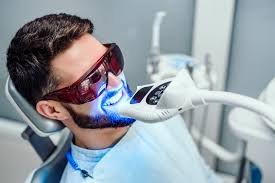
    In-office teeth whitening is one of the most popular and effective methods offered by dentists. This procedure involves applying a strong whitening gel to your teeth, followed by a special light or laser to enhance the whitening process. The entire treatment is usually completed in a single session, lasting around one hour.

    Benefits of In-Office Teeth Whitening:

    • Quick Results: You can achieve a noticeably brighter smile in just one visit.
    • Safe and Controlled: A dentist applies the treatment, ensuring that the process is safe and the whitening gel is applied evenly, reducing the risk of sensitivity or gum irritation.
    • Long-lasting Effects: The results are typically longer-lasting compared to at-home products, and regular touch-ups can maintain the results.

    2. Take-Home Whitening Kits

    Take-home whitening kits are another professional option that your dentist can provide. These kits include custom-made trays that fit your teeth perfectly, along with a professional-grade whitening gel. Unlike over-the-counter kits, these products are stronger and more effective, providing noticeable results over time.

    Benefits of Take-Home Whitening Kits:

    • Convenience: You can use these kits at your convenience in the comfort of your own home.
    • Custom-Fitted Trays: Since the trays are made specifically for your teeth, they ensure that the whitening gel is applied evenly, reducing the risk of uneven whitening.
    • Gradual Results: Although the results take longer than in-office whitening, they can last longer with proper care.

    3. Laser Teeth Whitening

    Laser teeth whitening is an advanced whitening technique that involves using a laser to activate the whitening gel applied to your teeth. This method is typically used in conjunction with in-office whitening procedures to speed up and intensify the whitening process. The laser helps the gel penetrate the enamel more deeply, providing more effective results.

    Benefits of Laser Teeth Whitening:

    • Enhanced Whitening Power: The laser speeds up the whitening process, helping to achieve noticeable results in less time.
    • Minimal Sensitivity: Since the laser activates the whitening gel more efficiently, there is often less discomfort and tooth sensitivity compared to other whitening treatments.
    • Quick and Effective: Laser whitening usually takes less time than traditional in-office whitening treatments.

    4. Zoom! Whitening

    Zoom! whitening is a popular in-office teeth whitening treatment known for its speed and effectiveness. The process involves applying a hydrogen peroxide-based gel to your teeth and activating it with a special light. Zoom! whitening can dramatically lighten the color of your teeth, sometimes by up to 8 shades, in just one session.

    Benefits of Zoom! Whitening:

    • Fast Results: The entire procedure takes about an hour, making it perfect for people with busy schedules.
    • Effective for Stubborn Stains: Zoom! whitening is particularly effective at removing deep stains caused by coffee, tea, wine, or smoking.
    • Long-Lasting Results: The results are typically long-lasting, especially if you follow your dentist’s aftercare instructions.

    5. KoR Whitening

    KoR Whitening is a unique whitening system that combines both in-office treatments and take-home trays for maximum effectiveness. This method is ideal for individuals with deep or persistent stains. The KoR system uses a powerful whitening gel that can break down even the toughest stains.

    Benefits of KoR Whitening:

    • Deep Stain Removal: KoR is particularly effective for patients with deeply set stains from coffee, tea, or aging.
    • Long-Lasting Effects: KoR whitening offers some of the most lasting results of any professional whitening treatment.
    • Minimal Sensitivity: This system is designed to minimize tooth sensitivity during and after treatment.

    6. Pre-Whitening Teeth Cleaning

    Before beginning any whitening procedure, a thorough dental cleaning is often recommended. Cleaning removes plaque and tartar buildup, which can obstruct the whitening process. By starting with clean teeth, the whitening gel can more effectively reach the enamel and provide better results.

    Benefits of Pre-Whitening Teeth Cleaning:

    • Enhances Whitening Effectiveness: A professional cleaning ensures that the whitening treatment works more efficiently.
    • Improves Overall Oral Health: Regular cleanings help maintain your oral hygiene and prevent future staining.
    • Smoother Surface: A clean, smooth tooth surface helps the whitening gel adhere better, leading to more even results.

    Conclusion

    Professional teeth whitening methods offer a safe, effective, and long-lasting way to achieve a brighter, more confident smile. Whether you choose in-office whitening, take-home kits, laser whitening, or more specialized treatments like Zoom! or KoR whitening, a dentist can help guide you to the best option based on your needs and preferences. Regular maintenance and good oral hygiene will help keep your teeth looking their best, but a professional whitening session can give you the radiant smile you deserve.


  • Signs You Need to See a Dentist Immediately

    Signs You Need to See a Dentist Immediately

    Taking care of your teeth and gums is essential for maintaining good oral health. While regular dental visits are necessary, there are situations where immediate attention from a dentist is required. Delaying treatment for certain dental issues can lead to further complications and potentially more serious health problems. In this post, we’ll discuss the key signs that you need to see a dentist immediately, helping you take prompt action when necessary.

    Signs You Need to See a Dentist Immediately
    Signs You Need to See a Dentist Immediately

    1. Severe Tooth Pain or Sensitivity

    Experiencing sudden, intense tooth pain or heightened sensitivity to hot or cold temperatures may indicate an underlying problem. This could be due to a cavity, infection, or even a cracked tooth. If the pain is persistent and sharp, it’s crucial to see your dentist as soon as possible to prevent the issue from worsening.

    Why It Matters:

    • Early Detection of Infection: Severe pain can signal an infection or abscess, which, if left untreated, could spread to other parts of your body.
    • Preventing Further Damage: Timely treatment can stop the pain and address the root cause, preventing the need for more complex procedures later.

    2. Swollen or Bleeding Gums

    Gum swelling or bleeding, especially when brushing or flossing, is a common sign of gum disease. Early stages of gum disease, like gingivitis, can often be treated with proper care. However, if left unchecked, it can progress to periodontitis, which can cause tooth loss and other serious complications.

    Why It Matters:

    • Risk of Tooth Loss: Gum disease is a leading cause of tooth loss in adults. Seeing a dentist early can help stop the progression and prevent further damage.
    • Underlying Health Concerns: Gum disease is linked to other health issues, such as heart disease and diabetes, making prompt treatment essential.

    3. Broken or Knocked-Out Tooth

    Accidents happen, and sometimes teeth can be damaged or knocked out due to trauma. Whether you’ve had a fall, been in an accident, or experienced a sports injury, it’s important to seek immediate dental care if your tooth has broken or been completely knocked out.

    Why It Matters:

    • Chance of Saving the Tooth: If you act quickly (within an hour), a knocked-out tooth may be able to be re-implanted by your dentist.
    • Preventing Infection: A broken tooth can expose the inner pulp to bacteria, increasing the risk of infection. Immediate care can prevent this from occurring.

    4. Persistent Bad Breath (Halitosis)

    While occasional bad breath is common, persistent bad breath could indicate an underlying issue like gum disease, tooth decay, or an oral infection. If brushing, flossing, or mouthwash doesn’t alleviate the problem, it may be time to see a dentist for a thorough examination.

    Why It Matters:

    • Underlying Oral Health Issues: Persistent bad breath often signals problems like decay, gum disease, or even systemic conditions that need attention.
    • Preventing Infection: If bad breath is caused by an infection, timely treatment can help prevent it from spreading and becoming more severe.

    5. Loose Teeth

    Teeth that are loose or shifting could indicate advanced gum disease or an injury. If you notice that a tooth is no longer firmly in place or if it moves when you bite down, it’s crucial to see a dentist immediately. The condition could also result from bruxism (teeth grinding) or osteoporosis.

    Why It Matters:

    • Preventing Tooth Loss: Loose teeth can often be saved with early intervention, but the longer you wait, the more difficult it becomes to treat.
    • Addressing Gum Disease: Loose teeth often result from gum disease, which can be treated and reversed in its early stages.

    6. Abscess or Pimple on the Gums

    An abscess or pimple-like swelling on the gums is usually a sign of an infection. An abscess occurs when bacteria enter the tooth’s root or surrounding tissue, leading to painful swelling. This condition often requires immediate treatment to drain the infection and prevent it from spreading.

    Why It Matters:

    • Preventing the Spread of Infection: An untreated abscess can spread infection to other parts of the body, leading to more serious health risks.
    • Relieving Pain: Abscesses can be extremely painful. Seeing your dentist immediately will help relieve discomfort and address the infection.

    7. Difficulty Chewing or Swallowing

    If you experience difficulty chewing or swallowing due to pain, swelling, or discomfort in your mouth or jaw, it’s essential to visit a dentist. This could indicate an issue such as a cracked tooth, infection, or even a more serious condition like oral cancer.

    Why It Matters:

    • Identifying Serious Issues: Difficulty chewing or swallowing could signal an underlying condition that requires immediate attention, such as an infection or oral cancer.
    • Preventing Further Complications: Timely dental care can prevent issues from worsening and lead to a faster recovery.

    8. Extreme Dry Mouth

    While dry mouth can occur due to dehydration or medication, persistent or extreme dry mouth can indicate more serious health issues. It can also lead to problems like tooth decay and gum disease, as saliva is essential for maintaining oral health.

    Why It Matters:

    • Preventing Tooth Decay: Saliva helps neutralize acids and wash away food particles. A lack of saliva can lead to cavities and gum disease.
    • Identifying Health Issues: Chronic dry mouth can be a symptom of other health conditions like diabetes or autoimmune disorders, so it’s important to seek dental care for a proper diagnosis.

    9. Oral Sores That Don’t Heal

    Mouth sores, such as canker sores or cold sores, are common and usually heal on their own. However, if you have sores in your mouth that don’t heal within two weeks, it may be time to visit your dentist. Persistent sores can sometimes be a sign of an underlying health issue, such as an infection or oral cancer.

    Why It Matters:

    • Identifying Oral Cancer: Sores that don’t heal can sometimes be a sign of oral cancer, which requires early detection for successful treatment.
    • Preventing Infection: Untreated sores can become infected and cause more severe oral health problems.

    Conclusion

    Paying attention to signs that indicate potential dental issues can help you take action before problems escalate. Severe pain, swelling, loose teeth, and persistent sores are all signals that require immediate attention from a dentist. Early intervention can prevent complications, reduce pain, and save teeth. If you notice any of these symptoms, don’t delay—schedule an appointment with your dentist right away to ensure your oral health remains in top shape.


  • Common Dental Procedures and Their Benefits

    Common Dental Procedures and Their Benefits

    Maintaining good oral health often involves more than just regular brushing and flossing. Dental procedures help prevent, diagnose, and treat oral health issues. Whether it’s routine care or more complex treatments, understanding common dental procedures and their benefits can help you feel more confident when visiting your dentist. In this post, we’ll discuss some of the most common dental procedures and how they contribute to better oral health.

    Common Dental Procedures and Their Benefits
    Common Dental Procedures and Their Benefits

    1. Dental Cleanings

    One of the most common and essential dental procedures is a professional cleaning, often referred to as a prophylaxis cleaning. Even with excellent at-home care, plaque and tartar can build up on your teeth over time. Dental cleanings are performed by a hygienist to remove these deposits and help prevent cavities and gum disease.

    Benefits of Dental Cleanings:

    • Prevents Tooth Decay: Removing plaque and tartar prevents cavities and keeps your teeth healthy.
    • Protects Gums: Regular cleanings help prevent gum disease, which can lead to tooth loss if left untreated.
    • Freshens Breath: Clean teeth and gums help reduce bad breath caused by bacteria and food particles.

    2. Fillings

    Dental fillings are one of the most common treatments for cavities. If you have a decayed tooth, your dentist will remove the damaged portion and fill the space with a suitable material. Fillings are typically made from amalgam (silver-colored), composite resin (tooth-colored), or other materials depending on your preference and the tooth’s location.

    Benefits of Fillings:

    • Restores Tooth Function: Fillings restore the tooth’s strength and functionality, allowing you to eat and speak without pain.
    • Prevents Further Decay: By sealing the cavity, fillings prevent further decay and protect the tooth from future damage.
    • Aesthetic Options: Composite fillings match the natural color of your teeth, providing a more discreet option for visible areas.

    3. Root Canals

    A root canal is necessary when the pulp of a tooth becomes infected or inflamed. The pulp contains nerves and blood vessels, and infection can cause significant pain. During a root canal procedure, the dentist removes the infected pulp, cleans the root canals, and seals the tooth to prevent further infection.

    Benefits of Root Canals:

    • Saves the Tooth: A root canal helps save a tooth that would otherwise need to be extracted, maintaining your natural bite.
    • Relieves Pain: Root canals can relieve severe tooth pain caused by infection or inflammation.
    • Prevents Further Complications: Root canals prevent the spread of infection to other parts of the mouth and the body.

    4. Crowns

    A crown is a cap placed over a tooth to restore its shape, size, strength, and appearance. Crowns are often used after a root canal or to cover a severely decayed or damaged tooth. They can be made from various materials, including porcelain, ceramic, metal, or a combination of materials.

    Benefits of Crowns:

    • Restores Functionality: Crowns restore the tooth’s original function, allowing you to chew and speak normally.
    • Improves Aesthetics: Crowns, especially those made from tooth-colored materials, enhance the appearance of damaged or discolored teeth.
    • Protects Weak Teeth: Crowns protect weak teeth from breaking or further damage.

    5. Teeth Whitening

    Teeth whitening is a cosmetic procedure that removes stains and discoloration, helping to brighten your smile. Whitening treatments can be done in the dental office or at home with professional products provided by your dentist. This procedure is often chosen by individuals looking to improve the appearance of their teeth.

    Benefits of Teeth Whitening:

    • Improves Smile Appearance: Whitening gives your teeth a brighter, whiter appearance, enhancing your overall smile.
    • Boosts Confidence: A brighter smile can increase self-esteem and confidence in social and professional settings.
    • Safe and Effective: Professional whitening treatments are safe and provide longer-lasting results compared to over-the-counter products.

    6. Dental Implants

    Dental implants are a long-term solution for replacing missing teeth. The procedure involves surgically placing a titanium post into the jawbone, which acts as a root for a replacement tooth. Once the implant is integrated into the bone, a crown or bridge is placed on top to complete the restoration.

    Benefits of Dental Implants:

    • Permanent Solution: Implants provide a permanent, durable replacement for missing teeth and function like natural teeth.
    • Improves Bite and Speech: Implants help restore your ability to chew and speak normally.
    • Preserves Bone Health: Implants stimulate the jawbone, preventing bone loss that often occurs after tooth loss.

    7. Braces and Orthodontic Treatments

    Braces are used to correct misaligned teeth and bite issues. Traditional metal braces or clear aligners (like Invisalign) gradually move teeth into better alignment over time. Braces are typically recommended for children and teenagers, but adults can also benefit from orthodontic treatment.

    Benefits of Braces:

    • Corrects Bite Issues: Braces help correct overbites, underbites, and other bite issues that can cause discomfort or difficulty chewing.
    • Improves Smile Appearance: Straightening your teeth improves the appearance of your smile, which can boost self-confidence.
    • Promotes Better Oral Health: Properly aligned teeth are easier to clean, reducing the risk of cavities and gum disease.

    8. Extractions

    Tooth extractions may be necessary when a tooth is severely decayed, damaged, or infected. Wisdom teeth are commonly extracted, but other teeth may also need to be removed due to crowding or other issues. After an extraction, your dentist may recommend a replacement option, such as a dental implant or bridge.

    Benefits of Extractions:

    • Prevents Infection: Extracting a damaged or infected tooth prevents the spread of infection to other teeth or parts of the body.
    • Relieves Pain: If a tooth is causing pain due to infection or damage, removing it can provide relief.
    • Improves Oral Health: Removing problematic teeth can prevent more serious dental issues from arising.

    Conclusion

    Dental procedures are essential for maintaining a healthy, functional smile. Whether it’s routine cleaning, fillings, or more complex treatments like root canals or implants, each procedure offers significant benefits that improve your oral health and quality of life. Regular visits to your dentist can help identify when these treatments are necessary, ensuring that you receive timely care. By understanding the benefits of common dental procedures, you can feel more confident about your dental care decisions and maintain a healthy smile for years to come.


  • How Often Should You Visit Your Dentist?

    How Often Should You Visit Your Dentist?

    Maintaining regular dental visits is crucial for optimal oral health. However, many people wonder how often they should visit their dentist. The answer depends on several factors, including your overall oral health, age, and any existing dental conditions. In this post, we’ll explore the general guidelines for dental checkups and explain why they are so important for maintaining a healthy smile.

    How Often Should You Visit Your Dentist?
    How Often Should You Visit Your Dentist?


    1. General Recommendation: Every Six Months

    For most people, the American Dental Association (ADA) recommends visiting the dentist at least twice a year, or every six months. These regular checkups allow your dentist to monitor your oral health, catch potential issues early, and provide professional cleaning. Routine visits also help prevent problems like cavities, gum disease, and tooth loss, which can develop gradually without being noticed.

    Why It Matters:

    • Early Detection: Regular visits allow your dentist to detect problems early, such as cavities or early signs of gum disease, before they become more serious.
    • Preventive Care: Dental cleanings remove plaque and tartar buildup, preventing cavities and gum issues from developing.
    • Maintaining Overall Health: Oral health is linked to overall health, so regular checkups help ensure that your teeth and gums are in good condition.

    2. Special Considerations for High-Risk Patients

    While six-month checkups are recommended for most people, those with certain health conditions or higher risk factors may need to visit the dentist more often. For example, individuals with gum disease, diabetes, or a history of cavities may require more frequent visits. People with braces or other dental appliances may also need more frequent cleanings and checkups to ensure proper maintenance.

    Why It Matters:

    • Gum Disease: If you have gum disease, more frequent visits may be necessary to manage and prevent it from worsening.
    • Diabetes: Diabetes can increase the risk of gum disease and oral infections, making it important for patients with this condition to have more regular dental checkups.
    • Braces and Dental Appliances: If you have braces, retainers, or other dental devices, you may need more frequent checkups to monitor your progress and ensure everything is functioning properly.

    3. Children and Pediatric Dental Visits

    For children, dental visits should begin around the time of their first birthday or when their first tooth appears. After the initial visit, children should visit the dentist every six months, just like adults. Regular visits help ensure that your child’s teeth are developing properly and can prevent issues like tooth decay, misalignment, or oral habits like thumb-sucking.

    Why It Matters:

    • Early Habits: Regular visits help children establish good oral hygiene habits early in life, making it easier to maintain healthy teeth as they grow.
    • Monitoring Development: Dentists can monitor the development of your child’s teeth and address any issues, such as cavities or alignment problems, before they become more serious.
    • Preventive Treatments: Children may benefit from fluoride treatments, sealants, or other preventive care that can protect their teeth as they grow.

    4. Senior Patients and Increased Risk

    As we age, our dental needs may change, and seniors may face an increased risk of issues such as tooth decay, gum disease, and dry mouth. Seniors are also more likely to have dental work, such as fillings, crowns, or dentures, that require regular monitoring. In some cases, senior patients may need to visit the dentist more frequently to ensure that their oral health is maintained.

    Why It Matters:

    • Age-Related Changes: Seniors may experience changes in their gums, teeth, and overall oral health, making regular visits important for monitoring these changes.
    • Dental Work Maintenance: Seniors with crowns, dentures, or implants may need more frequent checkups to ensure that their restorations are in good condition.
    • Health Conditions: Seniors may have health conditions that can affect their oral health, such as dry mouth or a higher risk of oral infections, requiring more frequent visits.

    5. When to Visit More Frequently

    While twice a year is generally sufficient for most people, there are times when you should visit your dentist more often. If you notice any signs of dental issues, such as tooth pain, bleeding gums, bad breath, or sensitivity, it’s important to schedule an appointment as soon as possible. Delaying treatment for these issues can lead to more severe problems down the road.

    Why It Matters:

    • Catching Problems Early: If you experience discomfort or other symptoms, it’s best to address the issue before it worsens.
    • Preventing Complications: Ignoring signs of dental problems can lead to more complicated and expensive treatments later on, so it’s essential to act quickly.

    Conclusion

    For most people, visiting the dentist every six months is sufficient to maintain good oral health. Regular checkups help detect early signs of dental issues, provide preventive care, and ensure that your teeth and gums stay healthy. However, if you have specific health conditions or concerns, you may need more frequent visits to address your unique needs. Whether you’re a child, adult, or senior, regular dental visits are key to maintaining a healthy smile for life.


  • Tips for Building Trust with Your Dentist

    Tips for Building Trust with Your Dentist

    Building a strong relationship with your dentist is essential for maintaining good oral health. When you trust your dentist, you’re more likely to feel comfortable during visits, follow through with treatment plans, and keep up with regular checkups. Trust is the foundation of a successful patient-dentist relationship, and it can lead to better communication and outcomes. In this post, we’ll discuss practical tips for building trust with your dentist, ensuring you have a positive and collaborative experience.

    Tips for Building Trust with Your Dentist
    Tips for Building Trust with Your Dentist

    1. Be Open and Honest About Your Dental History

    One of the most important steps in building trust with your dentist is to be open and honest about your dental history. Whether you’ve had previous dental issues, anxiety about dental visits, or specific preferences, sharing this information helps your dentist provide the best care. By being transparent about your needs, fears, and past experiences, you allow your dentist to create a personalized treatment plan that works for you.

    Why It Matters:

    • Tailored Care: Honesty helps your dentist recommend treatments that suit your individual needs and concerns.
    • Understanding Your Needs: Being open about your previous experiences, including any dental anxiety, can help your dentist make you feel more comfortable during appointments.

    2. Communicate Your Concerns and Preferences

    Effective communication is key to any successful relationship, including the one you have with your dentist. If you have any concerns about a procedure, treatment plan, or the costs involved, don’t hesitate to ask questions. A trusted dentist will take the time to explain the options available and ensure you feel confident in the decisions you make.

    Why It Matters:

    • Better Understanding: Clear communication helps ensure that you fully understand the procedures, which can reduce anxiety and promote cooperation.
    • Customized Approach: When you communicate your preferences, such as the need for sedation or a preference for certain treatment options, your dentist can accommodate them, making you feel more comfortable.

    3. Follow Through with Treatment Plans

    Once you’ve established trust with your dentist, it’s important to follow through with the recommended treatment plans. Regular visits, necessary procedures, and at-home oral care routines all play a role in maintaining your oral health. Adhering to your dentist’s advice shows that you value their professional guidance and are committed to achieving the best possible results.

    Why It Matters:

    • Long-Term Results: Following your dentist’s recommendations helps prevent future dental issues and maintain the health of your teeth and gums.
    • Demonstrates Commitment: Committing to your treatment plan shows that you trust your dentist’s expertise and are working together toward optimal dental health.

    4. Show Up for Regular Checkups

    Consistency is essential in building trust with your dentist. Regular checkups allow your dentist to monitor your oral health and address any concerns before they become serious. Skipping appointments or neglecting regular visits can harm your relationship with your dentist and may result in untreated issues that worsen over time.

    Why It Matters:

    • Prevention: Regular checkups allow for early detection of potential dental issues, such as cavities or gum disease, which can be treated before they become more severe.
    • Trust in Commitment: Showing up for regular visits demonstrates your commitment to maintaining your oral health and strengthens the relationship with your dentist.

    5. Be Respectful of Time and Appointments

    Respecting your dentist’s time by being punctual for appointments is a simple yet important way to build trust. Dentists typically have busy schedules, and arriving on time shows that you respect their expertise and commitment to providing care. If you need to reschedule an appointment, be sure to notify the office as early as possible to allow them to accommodate other patients.

    Why It Matters:

    • Professionalism: Arriving on time shows that you value your dentist’s time, helping to maintain a professional and respectful relationship.
    • Smooth Appointments: Respecting the schedule allows your dentist to provide timely care, which can improve your overall experience.

    6. Trust Their Expertise and Recommendations

    Your dentist is trained to diagnose, treat, and prevent dental issues. When you build trust with your dentist, it’s important to trust their expertise and follow their recommendations. While it’s always okay to ask questions and seek second opinions if needed, trusting your dentist’s advice ensures that you receive the most effective and accurate treatment.

    Why It Matters:

    • Best Outcomes: Trusting your dentist’s recommendations leads to better treatment outcomes and overall dental health.
    • Collaboration: A trusting relationship fosters collaboration between you and your dentist, ensuring that both of you work together for the best possible results.

    7. Show Appreciation and Gratitude

    Sometimes, the simple act of showing appreciation can go a long way in building a strong relationship. Thanking your dentist for their care and expressing gratitude for their professionalism can reinforce a positive rapport. Acknowledging their efforts in helping you maintain a healthy smile helps solidify mutual trust and respect.

    Why It Matters:

    • Positive Reinforcement: Gratitude and appreciation help foster goodwill and make future interactions more pleasant.
    • Strengthening Bond: Acknowledging your dentist’s care encourages a more collaborative and supportive relationship moving forward.

    Conclusion

    Building trust with your dentist is a gradual process that requires open communication, commitment, and mutual respect. By being honest about your dental history, following through with treatment plans, and showing appreciation for your dentist’s expertise, you can create a positive and collaborative relationship. This trust not only enhances your dental care experience but also contributes to better oral health over time. A strong, trusting relationship with your dentist is a key part of maintaining a healthy, beautiful smile.


  • The Role of Technology in Modern Dentistry

    The Role of Technology in Modern Dentistry

    Advancements in technology have transformed many industries, and dentistry is no exception. Modern dental practices now rely on cutting-edge technology to improve treatment outcomes, enhance patient experiences, and streamline workflows. From diagnosis to treatment and follow-up care, technology is playing a pivotal role in shaping the future of dentistry. In this post, we’ll explore how technology is revolutionizing dental care and what it means for patients.

    The Role of Technology in Modern Dentistry
    The Role of Technology in Modern Dentistry

    1. Improved Diagnosis with Digital Imaging

    One of the most significant ways technology is transforming modern dentistry is through digital imaging. Traditional X-rays, while effective, involved higher radiation levels and longer processing times. Today, digital X-rays offer immediate results, lower radiation exposure, and clearer images, allowing dentists to make quicker and more accurate diagnoses.

    Benefits of Digital Imaging:

    • Faster Results: Digital X-rays provide instant feedback, allowing your dentist to make real-time decisions.
    • Lower Radiation: Digital imaging reduces radiation exposure by up to 90% compared to traditional X-rays.
    • Better Accuracy: Digital X-rays provide high-resolution images, making it easier to detect cavities, bone loss, and other oral health issues early on.

    2. Laser Dentistry for Precise and Minimally Invasive Treatment

    Laser technology is another groundbreaking advancement in modern dentistry. Dental lasers are used for a variety of procedures, such as treating gum disease, reshaping the gums, and even performing certain fillings. These lasers are incredibly precise, reducing the need for traditional methods like scalpels and drills.

    Benefits of Laser Dentistry:

    • Minimal Pain and Discomfort: Lasers are less invasive and typically cause less pain, reducing the need for anesthesia in many cases.
    • Faster Healing: Laser treatments often result in faster healing times and fewer complications compared to traditional procedures.
    • Enhanced Precision: Lasers can target affected areas more accurately, minimizing damage to healthy tissues.

    3. 3D Printing for Customized Restorations

    3D printing has revolutionized many industries, and dentistry is no exception. With 3D printers, dental professionals can create highly accurate, customized dental restorations, such as crowns, bridges, and dentures. This technology enables patients to receive personalized treatments in a shorter amount of time, often in a single visit.

    Benefits of 3D Printing:

    • Customization: Each restoration is custom-made to fit the individual patient’s mouth perfectly, ensuring a better fit and more natural appearance.
    • Speed: 3D printing allows for faster production of dental restorations, reducing wait times and the need for multiple appointments.
    • Cost-Effective: By reducing the number of steps involved in creating dental restorations, 3D printing can lower costs for both the dentist and the patient.

    4. Teledentistry for Remote Consultations

    Teledentistry is an emerging technology that allows patients to consult with their dentist remotely, using video calls or other digital tools. This technology is especially beneficial for individuals who live in remote areas or have difficulty visiting the dentist in person. Through teledentistry, patients can receive initial consultations, follow-up care, or even diagnoses based on photos and videos shared with their dental provider.

    Benefits of Teledentistry:

    • Convenience: Patients can consult with their dentist without leaving home, saving time and travel costs.
    • Access to Care: Teledentistry makes it easier for people in underserved or rural areas to access dental care.
    • Early Intervention: Remote consultations can help identify problems early, preventing more serious dental issues from developing.

    5. Artificial Intelligence (AI) for Treatment Planning

    Artificial intelligence is increasingly being used in dental offices to enhance decision-making processes. AI-powered tools can analyze digital images and patient data to help dentists develop more precise treatment plans. These tools can even predict potential oral health problems based on patterns observed in the patient’s dental records, leading to more proactive care.

    Benefits of AI in Dentistry:

    • Enhanced Diagnostics: AI can assist in detecting issues like cavities, gum disease, and even oral cancer, often at earlier stages than the human eye can spot.
    • Personalized Treatment: AI can help create individualized treatment plans based on the unique needs of each patient, improving treatment outcomes.
    • Efficiency: AI tools can analyze large amounts of data quickly, allowing dentists to make more informed decisions in less time.

    6. Intraoral Cameras for Better Communication

    Intraoral cameras are small, handheld devices that allow dentists to capture high-resolution images or videos inside a patient’s mouth. These images are displayed on a monitor, making it easier for both the dentist and the patient to see any issues or areas of concern. Intraoral cameras enhance communication between the dentist and patient, making it easier to explain diagnoses and treatment options.

    Benefits of Intraoral Cameras:

    • Visual Communication: Both dentist and patient can see exactly what is going on inside the mouth, helping to build trust and understanding.
    • Patient Education: These images allow patients to visualize their oral health conditions, leading to better-informed decisions about their care.
    • Accurate Record Keeping: The images captured can be stored for future reference, helping to track changes in oral health over time.

    Conclusion

    Technology is shaping the future of dentistry, making it safer, more efficient, and more comfortable for patients. Digital imaging, laser dentistry, 3D printing, teledentistry, AI, and intraoral cameras all play key roles in improving dental care and enhancing the patient experience. By embracing these technological advancements, dental professionals are able to provide more accurate diagnoses, faster treatments, and better outcomes for patients. As technology continues to evolve, we can expect even more exciting innovations that will further revolutionize the way we care for our teeth.

  • General Dentist vs. Specialist: Who Should You See?

    General Dentist vs. Specialist: Who Should You See?

    When it comes to dental care, knowing whether to visit a general dentist vs specialist can be confusing. Both play important roles in maintaining and improving your oral health, but each focuses on different aspects of care. Understanding the difference between a general dentist and a dental specialist can help you make the right choice for your needs. In this post, we’ll explore the differences, and help you determine which type of dental professional is best for you.

    General Dentist vs. Specialist: Who Should You See?
    General Dentist vs. Specialist: Who Should You See?

    1. What Is a General Dentist?

    A general dentist is your primary dental care provider. They are trained to handle a wide range of dental issues, from routine checkups and cleanings to fillings, crowns, and minor procedures. General dentists are the first point of contact for most patients when it comes to maintaining oral health.

    Why You Should See a General Dentist:

    • Routine Checkups and Cleanings: General dentists provide preventive care, including regular checkups, cleanings, and fluoride treatments, to maintain good oral hygiene.
    • Basic Procedures: They handle treatments like fillings, extractions, and crowns to restore or protect your teeth.
    • Comprehensive Care: General dentists can monitor your overall dental health and identify early signs of issues that may require a specialist’s care.

    2. What Is a Dental Specialist?

    A dental specialist is a dentist who has completed additional training in a specific area of dentistry after finishing dental school. They are experts in treating more complex issues that go beyond the scope of general dental care. Some of the most common types of dental specialists include orthodontists, periodontists, endodontists, oral surgeons, and prosthodontists.

    Common Dental Specialists:

    • Orthodontists: Specialize in diagnosing and treating issues related to the alignment of teeth and jaws, such as braces or Invisalign treatments.
    • Periodontists: Focus on the health of the gums and the treatment of gum diseases, including more advanced treatments like gum surgery.
    • Endodontists: Specialize in performing root canal treatments and other procedures related to the innermost part of the tooth.
    • Oral Surgeons: Perform surgeries for more complex dental conditions, such as wisdom tooth removal, jaw surgery, and dental implants.
    • Prosthodontists: Focus on restoring and replacing teeth with crowns, bridges, dentures, and implants.

    3. When Should You See a General Dentist?

    For most routine dental care, a general dentist is the right choice. They are trained to handle a wide variety of dental issues and can perform preventive treatments, restorative work, and simple procedures. Regular visits to a general dentist are essential to maintain overall oral health and catch potential problems before they worsen.

    Common Reasons to See a General Dentist:

    • Routine Exams and Cleanings: Regular visits to a general dentist help keep your teeth and gums healthy, and allow for early detection of cavities or gum disease.
    • Cavities and Fillings: General dentists can handle fillings for cavities, as well as other minor restorative work.
    • Teeth Whitening: Many general dentists offer professional whitening services to help improve the appearance of your smile.
    • Preventive Care: General dentists provide essential services like fluoride treatments and sealants to prevent future dental issues.

    4. When Should You See a Specialist?

    If your dental needs go beyond the scope of general care, a specialist may be necessary. Dental specialists are highly trained in specific areas of dentistry and can provide advanced treatments that general dentists might not offer. It’s important to know when it’s time to seek out specialized care to ensure you receive the appropriate treatment for your condition.

    Common Reasons to See a Specialist:

    • Orthodontic Treatment: If you need braces or have issues with your bite, an orthodontist can assess your situation and recommend the best treatment.
    • Severe Gum Disease: If you have advanced gum disease that requires surgery or other specialized care, a periodontist is the best option.
    • Root Canals: If you require a root canal, an endodontist is trained to handle this complex procedure.
    • Oral Surgery: If you need oral surgery, such as the removal of wisdom teeth, jaw realignment, or dental implants, an oral surgeon will provide the specialized care you need.
    • Complex Restorations: For advanced tooth restorations, such as crowns, bridges, or dentures, a prosthodontist can provide the expertise necessary for long-term success.

    5. How to Decide Who to See

    Choosing between a general dentist and a specialist depends largely on your specific dental needs. For routine care, your general dentist is your go-to provider. However, if you have a specific issue that requires advanced treatment, it’s important to see the right specialist. Your general dentist can often provide a referral if necessary, ensuring you receive the best care for your condition.

    Tips for Deciding:

    • Start with a General Dentist: For most dental concerns, begin with a general dentist who can assess your needs and refer you to a specialist if needed.
    • Consider the Complexity of Your Issue: If you have a complex issue, such as misalignment, severe gum disease, or need a surgical procedure, a specialist may be the better choice.
    • Ask for Referrals: If you’re unsure whether you need a specialist, ask your general dentist for a referral to the appropriate professional.

    Conclusion

    Both general dentists and specialists play crucial roles in your overall dental health. General dentists are essential for routine care, preventive treatments, and minor restorative procedures, while specialists offer advanced expertise for more complex dental issues. By understanding when to see a general dentist and when to seek out a specialist, you can ensure that you receive the right care for your oral health needs. Always start with a general dentist for regular checkups, and consult a specialist when your dental needs require more specialized attention.