Category: Oral Health

  • How to Identify the Early Signs of Gum Disease

    How to Identify the Early Signs of Gum Disease

    Gum disease, also known as periodontal disease, is a common condition that affects many people worldwide. It begins with the inflammation of the gums and, if left untreated, can lead to serious oral health issues, including tooth loss. Fortunately, gum disease develops gradually, and identifying the early signs can help prevent its progression. Here’s how to spot the initial symptoms of gum disease and take action early.

    How to Identify the Early Signs of Gum Disease
    How to Identify the Early Signs of Gum Disease

    Gum Redness and Swelling

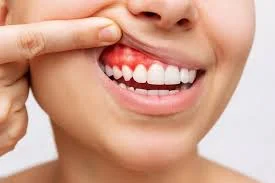
    One of the earliest signs of gum disease is redness and swelling in the gums. Healthy gums should be pale pink and firm, but inflamed gums may appear red or purple. Swelling may also occur, and the gums may feel soft or puffy. This condition is known as gingivitis, the earliest stage of gum disease.

    If your gums seem inflamed or swollen after brushing or flossing, it’s essential to take action by improving your oral hygiene routine.

    Bleeding Gums

    Bleeding gums are another common sign of gum disease, especially when brushing or flossing your teeth. Healthy gums should not bleed when cleaned gently. However, when plaque and tartar accumulate along the gumline, the gums can become irritated and bleed easily. If you notice blood after brushing or flossing, it’s a sign that your gums may be inflamed and require immediate attention.

    While bleeding may be mild in the early stages, it can worsen as gum disease progresses, so it’s important not to ignore it.

    Bad Breath (Halitosis)

    Persistent bad breath, also known as halitosis, is often linked to gum disease. The bacteria that thrive in the mouth, particularly in areas where plaque and tartar have built up, can produce foul-smelling odors. This can result in chronic bad breath that doesn’t go away, even with regular brushing.

    If you’ve noticed an unpleasant taste or bad breath that lingers despite good oral hygiene, it could indicate the presence of gum disease.

    Receding Gums

    As gum disease progresses, the gums may begin to recede or pull away from the teeth. This can create pockets between the gums and teeth, where bacteria can accumulate and cause further damage. Receding gums can lead to longer-looking teeth and, in severe cases, may expose the roots of your teeth.

    If you notice that your teeth appear longer than usual or that the gumline has shifted, it could be a sign of gum recession, which often occurs in later stages of gum disease.

    Loose Teeth

    Gum disease can cause the bone and tissues that support your teeth to weaken. In more advanced stages of the condition, this can lead to loose teeth or teeth that shift positions. If your teeth begin to feel loose or you notice changes in the way your teeth fit together when you bite, it’s essential to seek dental treatment immediately.

    While loose teeth typically appear in the later stages of gum disease, this symptom should never be ignored.

    Painful or Tender Gums

    Pain or tenderness in the gums is another sign of gum disease. While mild discomfort may occur from time to time due to other factors, persistent gum pain is a red flag that your gums are inflamed. If your gums hurt when touched or if you experience sensitivity while eating certain foods, it could be an indication that your gums are infected.

    The pain may worsen as the disease progresses, so early intervention is crucial to prevent further complications.

    Change in the Fit of Partial Dentures or Bridges

    If you wear dentures, partial dentures, or bridges, you may notice a change in their fit over time. Gum disease can lead to the shifting of your teeth, which may make dentures or bridges feel loose or uncomfortable. This is often an indication that the underlying gum and bone structures are being affected by the disease.

    If you experience changes in the fit of your dental appliances, it’s important to consult with your dentist to check for signs of gum disease.

    Conclusion

    Recognizing the early signs of gum disease is key to preventing its progression and protecting your oral health. Red, swollen gums, bleeding, bad breath, and gum recession are all red flags that require attention. By practicing good oral hygiene, visiting your dentist regularly, and taking action when you notice symptoms, you can prevent gum disease from causing long-term damage to your teeth and gums.

  • The Impact of Diet on Your Oral Health: What to Eat and Avoid

    The Impact of Diet on Your Oral Health: What to Eat and Avoid

    Your diet plays a crucial role in maintaining overall health, and your oral health is no exception. What you eat directly affects the strength of your teeth, the health of your gums, and the overall condition of your mouth. By making mindful choices about what you consume, you can promote healthier teeth, prevent dental problems, and even help address existing issues. On the flip side, poor dietary habits can contribute to tooth decay, gum disease, and other oral health concerns. Understanding the impact of diet on your oral health is essential for preserving a healthy smile.

    The Impact of Diet on Your Oral Health: What to Eat and Avoid
    The Impact of Diet on Your Oral Health: What to Eat and Avoid

    How Diet Affects Your Oral Health

    Your mouth is home to a variety of bacteria that naturally live in your saliva. When you eat or drink, food particles mix with these bacteria, and if they aren’t removed through regular brushing and flossing, they can form plaque. Plaque is a sticky substance that builds up on teeth and gums and can lead to tooth decay, cavities, and gum disease.

    Dietary choices, especially those rich in sugar and acid, provide a fuel source for harmful bacteria, which can increase plaque buildup. Additionally, sugary and acidic foods and drinks can wear down the enamel on your teeth, making them more susceptible to cavities and sensitivity.

    On the other hand, a well-balanced diet that includes vitamins and minerals essential for dental health can strengthen teeth and gums, improve saliva production, and help prevent or reverse damage caused by poor dietary habits.

    Foods That Promote Healthy Teeth

    The right foods can contribute to stronger teeth, healthier gums, and improved overall oral health. Here are some foods to include in your diet to support your dental health:

    – Dairy Products:

    Dairy products such as milk, cheese, and yogurt are rich in calcium and phosphates, which help strengthen tooth enamel and protect against decay. Calcium is crucial for maintaining strong teeth and bones, while phosphates help to restore minerals to enamel that may have been lost due to acid exposure.

    – Leafy Greens and Vegetables:

    Vegetables like spinach, kale, and broccoli are packed with vitamins and minerals, especially vitamin C, which is essential for healthy gums. Leafy greens are also high in fiber, which naturally helps to clean teeth as you chew. The crunchiness of vegetables can also stimulate saliva production, helping to neutralize acids and wash away food particles.

    – Crunchy Fruits:

    Fruits like apples, pears, and carrots are rich in water content and fiber. Their crunchy texture helps clean your teeth and gums naturally while promoting saliva production. Saliva is important for neutralizing acids in the mouth and keeping your mouth hydrated.

    – Nuts and Seeds:

    Nuts such as almonds and seeds like sunflower seeds are great for oral health because they provide a good source of protein and healthy fats. These nutrients help maintain strong teeth and gums. Additionally, nuts have a fibrous texture that can help scrub away plaque as you chew.

    – Green Tea:

    Green tea contains antioxidants known as polyphenols, which can help reduce harmful bacteria in the mouth. Drinking green tea regularly can help reduce the risk of gum disease and bad breath. It also has anti-inflammatory properties that promote overall gum health.

    – Water:

    Water is essential for keeping your mouth hydrated and promoting saliva production. Saliva is crucial for rinsing away food particles and neutralizing acids. Drinking plenty of water throughout the day also helps wash away sugars and bacteria that can lead to tooth decay.

    Foods and Drinks to Avoid for Better Oral Health

    Certain foods and drinks can be detrimental to your oral health, contributing to cavities, gum disease, and enamel erosion. Here are some foods to limit or avoid for healthier teeth and gums:

    – Sugary Snacks and Sweets:

    Candy, cakes, cookies, and other sugary snacks provide a food source for harmful bacteria in your mouth. These bacteria feed on sugar and produce acids that attack tooth enamel, leading to tooth decay. Sticky candies, in particular, are more likely to stick to your teeth and stay there longer, increasing the risk of cavities.

    – Sugary Drinks:

    Soda, fruit juices, and energy drinks are packed with sugar and acid, which can contribute to tooth decay and enamel erosion. The acidity in these drinks can weaken enamel, while sugar fuels harmful bacteria. Even sugar-free drinks can be acidic enough to damage enamel, so it’s best to limit their consumption.

    Conclusion

    A healthy diet is not only essential for your overall health but also for maintaining good oral health. By incorporating nutrient-rich foods like dairy, vegetables, fruits, and nuts into your diet, you can strengthen your teeth and gums while helping to prevent cavities, gum disease, and enamel erosion. On the other hand, limiting sugary, acidic, and sticky foods can reduce the risk of tooth decay and promote a healthier mouth. Remember, good oral hygiene practices, such as brushing and flossing, are also essential to keep your teeth and gums in top condition. So, choose your foods wisely and enjoy a brighter, healthier smile!

  • The Link Between Oral Health and Heart Disease

    The Link Between Oral Health and Heart Disease

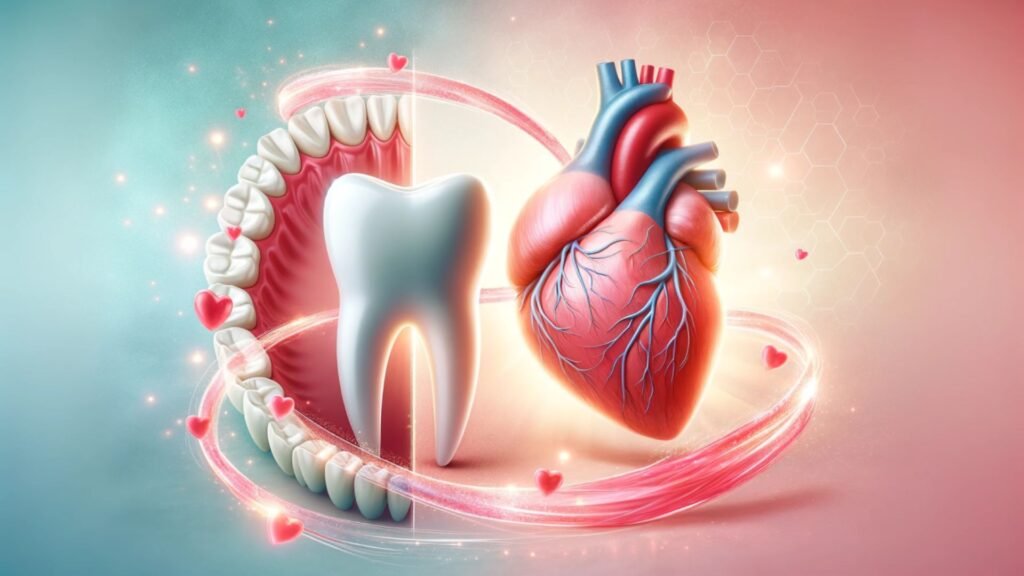
    Good oral hygiene is essential for maintaining a healthy mouth, but recent studies have also shown a significant link between oral health and heart disease. The health of your gums, teeth, and mouth can have a profound effect on your cardiovascular health. While the connection is complex, understanding how oral health and heart disease are linked can help you take proactive steps to protect both your oral and heart health.

    The Link Between Oral Health and Heart Disease
    The Link Between Oral Health and Heart Disease

    How Gum Disease Affects the Heart

    Gum disease (or periodontal disease) is one of the most common oral health issues, affecting millions of people worldwide. This condition begins as gingivitis, an infection of the gums, and can progress to more severe forms of periodontal disease, which involves the deeper structures that support your teeth. Bacteria from infected gums can enter the bloodstream through tiny openings in the gums. Once in the bloodstream, these bacteria can travel to the heart and other parts of the body.

    Research suggests that the presence of these bacteria can increase the risk of cardiovascular problems, including heart disease, stroke, and clogged arteries. One possible mechanism is that the bacteria trigger inflammation in the blood vessels, contributing to the buildup of plaque and the narrowing of arteries, a condition known as atherosclerosis. Atherosclerosis is a major risk factor for heart attacks and other heart-related issues.

    Inflammation as a Common Link

    One of the most significant factors linking oral health and heart disease is inflammation. When bacteria from gum disease enter the bloodstream, they can stimulate the body’s immune system, causing chronic inflammation. This inflammation can damage blood vessels and promote the formation of plaques that clog arteries. Over time, this process can lead to an increased risk of heart disease, including coronary artery disease, which is the narrowing of the coronary arteries that supply blood to the heart.

    Chronic inflammation is also associated with the development of conditions such as high blood pressure, which is another risk factor for heart disease. The inflammation caused by untreated gum disease can exacerbate these cardiovascular issues, making it crucial to maintain good oral health.

    How to Protect Your Heart by Caring for Your Mouth

    The good news is that you can take steps to protect both your oral and cardiovascular health. Here are some tips for maintaining good oral hygiene and reducing your risk of heart disease:

    • Brush and floss regularly: Brush your teeth at least twice a day and floss daily to remove plaque and bacteria from your teeth and gums. This helps prevent gum disease and reduces the number of bacteria that can enter your bloodstream.
    • Visit your dentist regularly: Regular dental checkups are important for detecting early signs of gum disease and other oral health problems. Your dentist can provide professional cleanings to remove plaque and tartar buildup that contribute to gum disease.
    • Quit smoking: Smoking is a major risk factor for both gum disease and heart disease. Quitting smoking improves your oral health and reduces your risk of heart-related issues.
    • Maintain a healthy diet: Eating a balanced diet that’s rich in fruits, vegetables, and whole grains can help improve both your oral and cardiovascular health. Avoiding sugary and processed foods can reduce your risk of developing gum disease and heart disease.
    • Manage stress: Chronic stress can contribute to both gum disease and heart disease. Practice stress management techniques such as deep breathing, exercise, and mindfulness to improve your overall health.
    • Control chronic conditions: Conditions like diabetes, which can increase the risk of gum disease, also contribute to heart disease. Managing these conditions effectively can reduce your risk of both oral and cardiovascular issues.

    Conclusion

    The link between oral health and heart disease is a reminder that taking care of your teeth and gums goes beyond cosmetic benefits. Oral hygiene plays a significant role in preventing heart disease and other cardiovascular problems. By brushing and flossing regularly, visiting your dentist for routine checkups, and adopting a heart-healthy lifestyle, you can improve both your oral health and overall well-being. The next time you think about your oral health, remember that it’s not just about your smile—it’s about your heart too.

  • How to Improve Your Oral Hygiene Routine for Better Health

    How to Improve Your Oral Hygiene Routine for Better Health

    Maintaining good oral hygiene is essential for both your dental health and overall well-being. Regular brushing, flossing, and visits to the dentist can prevent a range of oral issues, from cavities and gum disease to bad breath and tooth loss. However, many people may not realize that small adjustments to their daily routine can make a significant difference in their oral health. Here’s a comprehensive guide on how to improve your oral hygiene routine for better overall health.

    How to Improve Your Oral Hygiene Routine for Better Health
    How to Improve Your Oral Hygiene Routine for Better Health

    Brush Your Teeth Properly and Consistently

    Brushing your teeth is the cornerstone of oral hygiene, but it’s important to do it correctly. Aim to brush your teeth twice a day—once in the morning and once before bed. Use a fluoride toothpaste, which helps protect against cavities and strengthens enamel. A soft-bristled toothbrush is best for cleaning your teeth gently without damaging your gums.

    When brushing, hold your toothbrush at a 45-degree angle to your gums and use short, circular motions. Make sure to brush all surfaces of your teeth, including the outer, inner, and chewing surfaces, as well as your tongue to remove bacteria and freshen your breath. Brushing for at least two minutes ensures you clean your teeth thoroughly.

    Don’t Skip Flossing

    Flossing is just as important as brushing in your oral hygiene routine, yet many people skip it. Flossing helps remove food particles and plaque from between your teeth and along the gumline—areas that your toothbrush may miss. This helps reduce the risk of cavities, gum disease, and bad breath.

    Make it a habit to floss once a day. Gently slide the floss between your teeth, curving it around each tooth and under the gumline. Be careful not to snap the floss, as this can damage your gums. You can also consider using interdental brushes or water flossers as alternatives to traditional dental floss.

    Use Mouthwash Regularly

    Mouthwash is a great addition to your oral hygiene routine, as it helps kill bacteria, freshen your breath, and prevent plaque buildup. There are different types of mouthwash available, including those designed for antibacterial purposes or those that help fight bad breath.

    Rinse with mouthwash for 30 seconds to 1 minute after brushing and flossing, or use it during the day for a quick refresh. Choose a mouthwash that contains fluoride, as it helps to strengthen your teeth and prevent cavities. Avoid mouthwashes with excessive alcohol content, as they can dry out your mouth and irritate sensitive tissues.

    Choose the Right Toothbrush

    Using the right toothbrush is essential for effective brushing. Choose a toothbrush with soft bristles, as harder bristles can damage your gums and tooth enamel. A toothbrush with a small head allows you to reach all areas of your mouth, including the back teeth.

    Electric toothbrushes are also an excellent option, as they can provide a more consistent brushing motion and remove plaque more effectively than manual brushes. If you prefer manual brushing, look for brushes with ergonomic handles and replace your toothbrush every three to four months or sooner if the bristles become frayed.

    Maintain a Healthy Diet for Strong Teeth

    What you eat plays a significant role in your oral health. A balanced diet that includes plenty of fruits, vegetables, lean proteins, and whole grains can help keep your teeth and gums healthy. Crunchy fruits and vegetables like apples, carrots, and celery can help clean your teeth naturally and stimulate saliva production, which helps neutralize acids and wash away food particles.

    Limit sugary snacks and drinks, as sugar feeds the harmful bacteria in your mouth, leading to plaque buildup, cavities, and gum disease. Acidic foods and beverages, such as citrus fruits and soda, can erode enamel, so it’s important to rinse your mouth with water after consuming these items.

    Stay Hydrated

    Drinking water throughout the day is not only essential for your overall health but also beneficial for your oral hygiene. Water helps rinse away food particles and bacteria that can cause plaque buildup. It also stimulates saliva production, which naturally helps protect your teeth from decay.

    If you drink coffee, tea, or sugary drinks, consider following them up with a glass of water to wash away any residues. Avoid sugary drinks like sodas, as they can contribute to cavities and gum issues.

    Conclusion

    Improving your oral hygiene routine is one of the most effective ways to ensure your teeth and gums remain healthy throughout your life. By brushing properly, flossing regularly, using mouthwash, and maintaining a balanced diet, you can significantly reduce your risk of oral health problems. Remember to visit your dentist regularly for professional care and guidance. With these simple yet effective steps, you can enjoy a lifetime of healthy smiles.

  • The Cost of Professional Teeth Whitening vs. Over-the-Counter Products

    The Cost of Professional Teeth Whitening vs. Over-the-Counter Products

    A bright, white smile can have a profound impact on your self-confidence and appearance, and it’s no surprise that teeth whitening treatments are among the most popular cosmetic dental procedures. Whether you’re looking for a quick fix or a more durable solution, there are two primary options for whitening your teeth: professional teeth whitening and over-the-counter (OTC) products. While both can produce results, the cost and overall effectiveness vary greatly between the two. In this article, we’ll compare the costs of both options and help you determine which choice is right for your budget and dental needs.


    Professional Teeth Whitening: A Premium Treatment

    Professional teeth whitening treatments are administered by dental professionals in-office or through at-home kits provided by your dentist. This option uses stronger whitening agents than OTC products, and results are typically more noticeable and longer-lasting. However, this premium service comes with a higher price tag.

    In-Office Whitening: In-office whitening treatments are usually the most effective and fastest way to achieve a whiter smile. A dental professional applies a powerful bleaching gel to your teeth, often using light or heat to accelerate the process. Here’s what you can expect in terms of cost:

    • Cost: On average, in-office professional whitening can range from $500 to $1,000 per session, depending on the dentist’s location, the type of treatment, and how many sessions are required. Some advanced systems, such as Zoom whitening or laser whitening, may cost even more, typically closer to the higher end of the range.

    Take-Home Whitening Kits: Dentists can also provide customized whitening trays and professional-grade bleaching gel for at-home use. These kits are typically stronger than OTC options but are still safer and more effective due to the professional guidance and customization.

    • Cost: Take-home professional whitening kits generally cost between $200 to $400. The price reflects the customization of the trays to fit your teeth, as well as the higher concentration of the whitening agent.

    Pros of Professional Whitening:

    • Faster and more dramatic results than OTC products.
    • Custom treatments designed for your specific needs.
    • Minimal risk of gum irritation or tooth sensitivity due to professional monitoring.
    • Results tend to last longer, especially when combined with proper maintenance.

    Cons of Professional Whitening:

    • High upfront cost, particularly for in-office treatments.
    • May require more than one session, which could increase the cost.
    • Requires scheduling an appointment and taking time out of your day.
    The Cost of Professional Teeth Whitening vs. Over-the-Counter Products
    The Cost of Professional Teeth Whitening vs. Over-the-Counter Products

    Over-the-Counter Teeth Whitening: A More Affordable Option

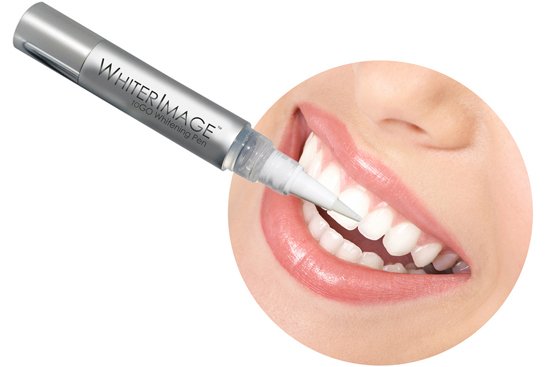
    Over-the-counter teeth whitening products are widely available at drugstores and online, offering a more affordable way to whiten teeth. While they can effectively whiten teeth, the results tend to be slower and less dramatic compared to professional treatments. OTC whitening options include strips, gels, toothpaste, and rinses.

    Teeth Whitening Strips: Whitening strips are thin, flexible plastic strips coated with a whitening gel that you place directly on your teeth. They are easy to use and often come in kits with a specific number of treatments.

    • Cost: OTC whitening strips typically cost between $20 to $50, depending on the brand and the number of treatments included in the package.

    Whitening Toothpaste: Whitening toothpaste contains mild abrasives or chemical agents that help remove surface stains. While these products can help improve the brightness of your smile, they are generally less effective at achieving the dramatic results of professional whitening.

    • Cost: Whitening toothpaste typically costs between $5 to $15 per tube. Since you use them daily, the cost over time can add up.

    Whitening Gels and Rinses: Some whitening gels and mouthwashes also claim to help remove stains and whiten teeth over time. These products are often used in conjunction with other whitening methods, but they are generally not as effective on their own.

    • Cost: Whitening gels and mouthwashes typically cost between $10 to $30.

    Pros of Over-the-Counter Whitening:

    • Significantly more affordable than professional whitening.
    • Convenient and easy to use at home without the need for dental visits.
    • Available in a variety of formats, allowing you to choose a product that fits your needs and lifestyle.

    Cons of Over-the-Counter Whitening:

    • Results take longer to show, and they may not be as dramatic as professional treatments.
    • Whitening is typically limited to surface stains, so deeper discoloration may not be addressed.
    • Potential for uneven results if products are not used correctly (e.g., strips not adhering evenly to teeth).
    • Risk of gum irritation or tooth sensitivity, especially with some whitening strips or gels.

    Which Option is Right for You?

    When choosing between professional teeth whitening and over-the-counter products, the decision largely depends on your goals, budget, and timeline. Here are some key factors to consider:

    1. Budget: If you have a limited budget, OTC products are a more affordable option. They allow you to whiten your teeth for a fraction of the cost of professional treatments. However, if you’re willing to spend a bit more for faster, more noticeable results, professional whitening may be worth the investment.

    2. Speed and Results: For immediate and significant results, professional whitening is the way to go. If you need a brighter smile quickly, such as for a special event or an important occasion, professional whitening treatments will likely be your best option. OTC products, on the other hand, are more gradual and may take several weeks to show noticeable results.

    3. Sensitivity and Safety: Professional treatments are generally safer and more comfortable, as they are monitored by dental professionals who ensure that the treatment is applied properly and that your gums and teeth aren’t exposed to excessive bleaching agents. OTC products may carry a higher risk of gum irritation or tooth sensitivity, especially if used improperly.

    4. Long-Term Maintenance: If you choose professional whitening, you can expect longer-lasting results, especially if you follow up with touch-ups or at-home whitening treatments recommended by your dentist. OTC products typically require more frequent use to maintain results, as their whitening effects tend to fade over time.


    Conclusion

    Both professional teeth whitening and over-the-counter products can help you achieve a brighter smile, but they differ significantly in terms of cost, results, and convenience. Professional treatments offer faster, more dramatic results but come with a higher price tag. On the other hand, OTC products are more budget-friendly but may take longer to show results and provide more modest whitening.

    Ultimately, the best choice depends on your goals, budget, and how quickly you want to see results. If you’re looking for a quick, long-lasting transformation, investing in professional teeth whitening may be the right option for you. However, if you’re seeking a more affordable, gradual approach, OTC products can still help you achieve a brighter smile over time.

  • Oral Health Myths That You Shouldn’t Believe

    Oral Health Myths That You Shouldn’t Believe

    When it comes to oral health, there are many myths and misconceptions that people often believe. These myths can lead to confusion and poor dental care habits. It’s important to separate fact from fiction to ensure you’re taking the best care of your teeth and gums. In this article, we’ll bust some common oral health myths that you shouldn’t believe.

    Oral Health Myths That You Shouldn’t Believe
    Oral Health Myths That You Shouldn’t Believe

    1. You Only Need to Brush Once a Day

    Many people believe that brushing once a day is enough to maintain healthy teeth. However, brushing only once isn’t enough to remove all the plaque, food particles, and bacteria that build up throughout the day. Dentists recommend brushing your teeth at least twice a day: once in the morning and once before bed. This helps remove plaque and prevent tooth decay and gum disease.

    Truth: Brushing twice a day is essential for good oral health.

    2. Sugar Is the Only Cause of Cavities

    While sugar is a major contributor to cavities, it’s not the only cause. Cavities are caused by plaque buildup, which contains harmful bacteria. These bacteria feed on sugars and acids in the food you eat, producing acids that wear down tooth enamel. However, even foods that don’t contain much sugar—like starchy foods—can contribute to cavities by getting stuck in your teeth and attracting bacteria.

    Truth: Cavities can be caused by a variety of factors, not just sugar.

    3. Whitening Toothpaste Will Give You a Hollywood Smile

    Whitening toothpaste is popular, but many people think it will drastically whiten their teeth like professional treatments. While whitening toothpaste can help remove surface stains from foods and drinks like coffee and tea, it doesn’t change the natural color of your teeth. For more noticeable whitening, you’ll need a professional whitening treatment or an over-the-counter whitening kit.

    Truth: Whitening toothpaste can help with surface stains but won’t provide dramatic whitening results.

    4. You Can’t Get Cavities in Baby Teeth

    Some people believe that baby teeth don’t need as much care because they will eventually fall out. However, cavities can form in baby teeth just like they can in adult teeth. Baby teeth are essential for proper speech, chewing, and the alignment of adult teeth. If left untreated, cavities in baby teeth can lead to pain, infections, and complications with the development of permanent teeth.

    Truth: Baby teeth need just as much care as adult teeth to prevent cavities and other dental issues.

    5. Brushing Harder Is Better for Your Teeth

    It’s a common myth that brushing harder will clean your teeth more effectively. In reality, brushing too hard can damage your tooth enamel and irritate your gums. It’s important to use gentle, circular motions when brushing. A soft-bristled toothbrush is usually the best choice to avoid damaging your teeth and gums.

    Truth: Brushing too hard can harm your teeth and gums. Be gentle!

    6. Chewing Gum Can Replace Brushing Your Teeth

    Some people think that chewing gum, especially sugar-free gum, can replace brushing. While sugar-free gum can help freshen your breath and stimulate saliva production, it can’t replace the need for regular brushing and flossing. Saliva helps wash away food particles and bacteria, but it doesn’t remove plaque or prevent cavities in the way that brushing does.

    Truth: Chewing gum can be a helpful addition but should never replace regular brushing and flossing.

    7. Dental Fillings Last Forever

    Dental fillings are durable, but they don’t last forever. Over time, fillings can wear down, crack, or even fall out. The lifespan of a filling depends on various factors, such as the material used and your oral hygiene habits. Regular dental checkups are essential to ensure that your fillings remain in good condition.

    Truth: Fillings need to be checked regularly, and they may need to be replaced over time.

    8. Mouthwash Is Enough to Keep Your Mouth Clean

    Mouthwash is a great tool to help kill bacteria, freshen your breath, and reduce plaque buildup. However, it doesn’t replace the need for brushing and flossing. While mouthwash can be a helpful addition to your routine, it should never be used as a substitute for brushing and flossing. Proper brushing and flossing remove food particles and plaque that mouthwash alone cannot reach.

    Truth: Mouthwash is helpful but should always be part of a complete oral health routine, not a replacement.

    9. You Don’t Need to See a Dentist if You Aren’t in Pain

    Many people avoid the dentist if they aren’t experiencing pain, thinking that everything is fine. However, dental issues like cavities and gum disease can develop without causing any immediate pain. Regular checkups are essential for catching problems early before they turn into painful or expensive issues. Early treatment can save you from bigger problems down the road.

    Truth: You should visit your dentist regularly, even if you’re not in pain, to ensure your teeth and gums stay healthy.

    10. Flossing Isn’t Necessary if You Brush Well

    Some people skip flossing because they believe that brushing alone is enough. However, brushing doesn’t remove plaque and food particles from between your teeth and under the gumline. Flossing is the only way to properly clean these hard-to-reach areas and prevent gum disease and cavities. Flossing daily is an essential part of a complete oral hygiene routine.

    Truth: Flossing is necessary to clean between your teeth and prevent dental problems.

    11. If Your Gums Bleed, You Should Stop Brushing

    If your gums bleed when you brush or floss, it’s a sign of inflammation, which could be caused by gum disease. However, you shouldn’t stop brushing your teeth if your gums bleed. Instead, continue brushing gently and flossing, but consider seeing a dentist for treatment. Stopping oral hygiene practices can make the problem worse.

    Truth: Bleeding gums are a sign of potential gum disease, not a reason to stop brushing.

    Conclusion

    There are many myths surrounding oral health, but it’s important to rely on facts to maintain a healthy mouth. By dispelling these common myths, you can improve your oral hygiene routine and protect your teeth and gums for years to come. Always remember that brushing, flossing, regular dental visits, and a healthy lifestyle are key to maintaining great oral health.

  • Signs of Gum Disease and How to Treat It

    Signs of Gum Disease and How to Treat It

    Gum disease is a common but often overlooked oral health issue that can affect anyone. It begins as a mild condition but can progress into more serious problems if not addressed. Recognizing the early signs of gum disease and knowing how to treat it is essential for maintaining good oral health. In this post, we’ll explore the signs of gum disease and provide steps for treatment and prevention.

    Signs of Gum Disease and How to Treat It
    Signs of Gum Disease and How to Treat It

    1. Swollen or Bleeding Gums

    One of the first signs of gum disease is swollen or bleeding gums, especially when brushing or flossing. Healthy gums should be firm, pink, and free of any discomfort or bleeding. If your gums bleed easily or appear red and swollen, it may be a sign of gingivitis, the earliest stage of gum disease.

    Signs to Look For:

    • Bleeding Gums: Gums that bleed when brushing or flossing.
    • Swollen Gums: Gums that appear red, puffed, or inflamed.
    • Tender Gums: Gums that are sore or painful when touched.

    Treatment:

    • Improve Oral Hygiene: Brushing twice a day and flossing daily can help remove plaque buildup and reduce inflammation.
    • Use Antibacterial Mouthwash: Mouthwashes with antibacterial properties can help fight bacteria and reduce gum swelling.
    • Visit a Dentist: If the swelling and bleeding persist, a dentist can provide a professional cleaning to remove plaque and tartar that brushing can’t reach.

    2. Bad Breath (Halitosis)

    Chronic bad breath, or halitosis, can be an indication of gum disease. As plaque and bacteria build up along the gum line, they can release foul-smelling compounds that cause persistent bad breath. If you notice a bad taste in your mouth that doesn’t go away even after brushing, it could be a sign of gum disease.

    Signs to Look For:

    • Constant Bad Breath: Persistent foul smell in your mouth despite brushing and rinsing.
    • Bad Taste: An unpleasant or metallic taste that lingers in your mouth.

    Treatment:

    • Maintain Proper Oral Hygiene: Regular brushing, flossing, and using mouthwash will help reduce bacteria and freshen your breath.
    • Hydration: Drinking plenty of water can help wash away food particles and bacteria, reducing bad breath.
    • Visit a Dentist: If the problem continues, consult your dentist to rule out gum disease or other underlying conditions.

    3. Receding Gums

    Receding gums occur when the gum tissue pulls away from the teeth, exposing more of the tooth’s surface. This can lead to tooth sensitivity and an increased risk of decay or infection. Gum recession is a sign that gum disease has progressed beyond the initial stages.

    Signs to Look For:

    • Exposed Tooth Roots: The visible portion of your teeth may appear longer due to the loss of gum tissue.
    • Tooth Sensitivity: Increased sensitivity to hot, cold, or sweet foods as the tooth roots become exposed.
    • Visible Pockets: Small pockets or gaps between your teeth and gums.

    Treatment:

    • Good Oral Hygiene: Prevent further gum recession by practicing good oral hygiene and gentle brushing techniques.
    • Gum Grafting: In severe cases, a dentist may recommend a gum graft procedure to restore lost tissue and protect the teeth.
    • Scaling and Root Planing: A dentist can perform deep cleaning to remove plaque and tartar from below the gum line, helping to reduce recession.

    4. Loose or Shifting Teeth

    As gum disease progresses, the supporting structures around your teeth can weaken, causing your teeth to loosen or shift position. This occurs when the gums and bones that hold the teeth in place become damaged due to infection. If left untreated, loose teeth may eventually fall out.

    Signs to Look For:

    • Loosening Teeth: Teeth that feel loose or shift when chewing or biting.
    • Misalignment: A noticeable change in the way your teeth fit together when you bite down.

    Treatment:

    • Professional Dental Care: Seek immediate treatment from a dentist if you notice loose or shifting teeth. Early intervention can prevent further damage.
    • Surgical Treatment: In severe cases, surgery may be necessary to restore the bone structure or to reposition the teeth.

    5. Pus Between the Teeth and Gums

    Pus or drainage between your teeth and gums is a sign of a more advanced infection. This usually occurs when bacteria in the gums have caused an abscess or severe infection. If you notice any fluid oozing from the gums, it’s important to seek immediate dental care.

    Signs to Look For:

    • Pus or Fluid Drainage: Any yellow or white pus coming from between the teeth and gums.
    • Severe Pain or Tenderness: Pain in the gums that intensifies or does not go away, especially around the infected area.

    Treatment:

    • Antibiotics: Your dentist may prescribe antibiotics to clear the infection.
    • Root Planing and Scaling: A deep cleaning procedure to remove plaque and tartar below the gum line.
    • Surgical Drainage: In some cases, the dentist may need to drain the abscess to relieve pain and remove infection.

    Conclusion

    Gum disease can range from mild gingivitis to severe periodontitis, but recognizing the signs early and seeking treatment can help prevent further complications. Swollen gums, bad breath, receding gums, loose teeth, and pus are all signs that gum disease may be present. By practicing good oral hygiene, visiting your dentist regularly, and addressing any concerns promptly, you can maintain healthy gums and prevent the progression of gum disease. If you notice any of these signs, don’t hesitate to seek professional dental care for proper treatment.


  • Preventive Oral Health Practices For Seniors

    Preventive Oral Health Practices For Seniors

    Oral health is important at every stage of life, but it becomes especially crucial as we age. For seniors, maintaining healthy teeth and gums can help prevent tooth loss, gum disease, and other serious health conditions. Fortunately, with the right preventive practices, you can keep your smile healthy well into your golden years. In this article, we’ll discuss some simple but effective preventive oral health practices for seniors to help maintain a vibrant, confident smile.

    Preventive Oral Health Practices For Seniors
    Preventive Oral Health Practices For Seniors

    1. Brush and Floss Regularly

    Brushing and flossing are the foundation of good oral health, and they remain essential for seniors. Brush your teeth twice a day with fluoride toothpaste to remove plaque and food particles. Use a soft-bristled toothbrush to avoid damaging your gums. Don’t forget to floss daily to clean between your teeth and under the gumline, where toothbrushes can’t reach. Flossing removes plaque and food debris, which helps prevent cavities and gum disease.

    Tip: If you have arthritis or limited dexterity, consider using an electric toothbrush or floss picks to make brushing and flossing easier.

    2. Use Fluoride Products

    Fluoride helps strengthen tooth enamel and protects against cavities. As we age, our teeth may become more vulnerable to decay, especially if we have dry mouth or gum recession. Using fluoride toothpaste is essential, but you can also use a fluoride mouth rinse for extra protection. Your dentist may also recommend fluoride treatments during regular checkups to help keep your teeth strong.

    Tip: If you experience tooth sensitivity, ask your dentist about fluoride treatments that can help reduce discomfort.

    3. Stay Hydrated

    Dry mouth, or xerostomia, is a common issue among seniors, especially those who take medications that can cause a decrease in saliva production. Saliva plays a key role in washing away food particles and bacteria, so when dry mouth occurs, the risk of tooth decay and gum disease increases. To combat this, make sure you drink plenty of water throughout the day. Sipping water regularly will help keep your mouth moist and support healthy saliva production.

    Tip: Chewing sugar-free gum or sucking on sugar-free candies can also help stimulate saliva flow.

    4. Regular Dental Checkups

    Regular dental visits are crucial for seniors to maintain good oral health. Your dentist can spot early signs of tooth decay, gum disease, or other oral health issues before they become more serious. Seniors should visit the dentist at least twice a year for cleanings, exams, and screenings for oral cancer. Regular checkups also help catch any changes in the health of your teeth or gums, allowing for prompt treatment.

    Tip: If you have special needs, such as mobility challenges or difficulty lying back in the dentist’s chair, talk to your dental office to accommodate these needs during your visit.

    5. Denture Care

    If you wear dentures, it’s important to clean them daily to avoid bacteria buildup, which can lead to infections or bad breath. Remove and rinse your dentures after meals to clean away food particles. Use a special denture brush to gently clean the surfaces, and make sure to soak your dentures overnight in a denture solution to keep them moist and in good condition.

    Tip: Have your dentures checked by your dentist regularly to ensure they still fit properly. Ill-fitting dentures can cause irritation or sores in your mouth.

    6. Be Aware of Gum Disease

    Gum disease is a major concern for seniors, as it can lead to tooth loss if left untreated. Common signs of gum disease include red, swollen, or bleeding gums, especially when brushing or flossing. If you notice these symptoms, it’s important to see your dentist right away for treatment. Gum disease can be prevented and managed with good oral hygiene practices, such as brushing, flossing, and professional cleanings.

    Tip: If you have existing gum disease, your dentist may recommend more frequent cleanings or specialized treatments to help manage it.

    7. Healthy Diet and Nutrition

    A balanced diet plays a significant role in your oral health. Foods that are rich in vitamins and minerals, such as fruits, vegetables, and dairy products, help maintain strong teeth and gums. Avoid sugary snacks and drinks, as they can contribute to cavities and gum disease. If you have trouble chewing due to missing teeth or dentures, opt for softer, nutritious foods that are easier to eat.

    Tip: Drinking green tea may help reduce bacteria in your mouth and improve overall oral health.

    8. Avoid Tobacco Products

    Using tobacco, whether in the form of cigarettes, cigars, or smokeless tobacco, can lead to serious oral health problems. Tobacco use increases the risk of gum disease, tooth loss, and oral cancer. It can also cause dry mouth and bad breath. If you’re a smoker, quitting is one of the best things you can do for your oral health. Your dentist can provide support and resources to help you quit.

    Tip: If you need help quitting, talk to your doctor or dentist about smoking cessation programs.

    9. Address Dry Mouth Issues

    As mentioned earlier, dry mouth can be a common issue among seniors, often caused by medications or health conditions. To manage dry mouth, avoid caffeine, alcohol, and tobacco, as these can make the condition worse. In addition to staying hydrated, your dentist may recommend special saliva substitutes or prescription mouthwashes to help combat dry mouth and keep your mouth moist.

    Tip: Using a humidifier at night can also help maintain moisture in your mouth while you sleep.

    10. Protect Your Teeth from Injury

    As you age, your teeth may become more brittle, making them more susceptible to damage. If you participate in any physical activities, consider wearing a mouthguard to protect your teeth from injury. Additionally, if you have a history of grinding your teeth, especially at night, talk to your dentist about getting a nightguard to protect your teeth from wear and tear.

    Tip: If you wear a nightguard, make sure to clean it regularly to avoid bacteria buildup.

    Conclusion

    Preventive oral health practices for seniors are essential for maintaining a healthy mouth and a confident smile. By brushing and flossing regularly, visiting the dentist, staying hydrated, and eating a balanced diet, you can keep your teeth and gums in great shape. With these simple practices, seniors can enjoy better oral health and prevent many of the common dental problems associated with aging.

  • How Diet Affects Your Oral Health

    How Diet Affects Your Oral Health

    Your diet plays a significant role in the health of your teeth and gums. What you eat not only affects your overall health but also has a direct impact on your oral hygiene. A balanced, nutritious diet can help prevent tooth decay, gum disease, and other dental issues, while a poor diet can contribute to oral health problems. In this post, we’ll explore how your diet affects your oral health and provide tips for maintaining a healthy smile.

    How Diet Affects Your Oral Health
    How Diet Affects Your Oral Health

    1. Sugar and Cavities

    Sugar is one of the main culprits when it comes to tooth decay. When you consume sugary foods or drinks, the bacteria in your mouth feed on the sugar and produce acid. This acid attacks your tooth enamel, causing it to break down and leading to cavities.

    How Sugar Affects Your Oral Health:

    • Acid Production: Sugars create acids that erode enamel, increasing the risk of cavities.
    • Plaque Formation: Sugar also contributes to plaque buildup on your teeth, which can lead to gum disease if not removed regularly through brushing and flossing.

    Tips to Limit Sugar Intake:

    • Cut Back on Sugary Snacks: Reduce your consumption of candy, cookies, sodas, and sugary drinks.
    • Choose Healthier Alternatives: Opt for fruits, nuts, and vegetables as snacks, which are less likely to cause tooth decay.
    • Drink Water: Drinking water, especially after consuming sugary foods, helps rinse away food particles and reduces the acid in your mouth.

    2. Acidic Foods and Enamel Erosion

    Acidic foods and beverages, such as citrus fruits, coffee, and soda, can cause enamel erosion over time. Enamel is the protective outer layer of your teeth, and once it’s worn away, it doesn’t regenerate. Erosion can lead to tooth sensitivity, discoloration, and an increased risk of cavities.

    How Acid Affects Your Oral Health:

    • Enamel Erosion: Acidic foods weaken the enamel, making teeth more vulnerable to damage.
    • Tooth Sensitivity: As enamel wears away, you may experience increased sensitivity to hot and cold temperatures.

    Tips to Protect Your Enamel:

    • Rinse Your Mouth After Eating Acidic Foods: Rinsing your mouth with water after consuming acidic foods or drinks can help neutralize acids and protect your enamel.
    • Wait Before Brushing: After eating acidic foods, wait at least 30 minutes before brushing your teeth. Brushing immediately can cause further damage to softened enamel.
    • Use a Straw: When drinking acidic beverages, use a straw to minimize contact with your teeth.

    3. Calcium and Strong Teeth

    Calcium is essential for maintaining strong, healthy teeth. It helps remineralize tooth enamel, making it more resistant to decay. A lack of calcium can lead to weakened teeth and an increased risk of cavities and bone loss around your teeth.

    How Calcium Affects Your Oral Health:

    • Strengthens Teeth: Calcium is a vital component of tooth structure, helping to keep your teeth strong and resistant to decay.
    • Promotes Healthy Gums: Adequate calcium intake also supports healthy bones, including the jawbone that holds your teeth in place.

    Tips to Increase Calcium Intake:

    • Eat Dairy Products: Foods like milk, cheese, and yogurt are rich in calcium and can help strengthen your teeth.
    • Incorporate Leafy Greens: Dark leafy vegetables like spinach and kale are great non-dairy sources of calcium.
    • Consider Supplements: If you don’t get enough calcium from your diet, consult your dentist or doctor about calcium supplements.

    4. Vitamin C and Gum Health

    Vitamin C is essential for healthy gums. It helps maintain the connective tissues in your gums and supports the healing process. A deficiency in vitamin C can lead to gum inflammation, bleeding gums, and even gum disease, which can eventually cause tooth loss.

    How Vitamin C Affects Your Oral Health:

    • Prevents Gum Disease: Vitamin C is vital for preventing gingivitis and other gum diseases.
    • Promotes Healing: Vitamin C helps your body heal and fight infections, including those in the mouth.

    Tips to Boost Vitamin C Intake:

    • Eat Citrus Fruits: Oranges, strawberries, and grapefruits are all rich in vitamin C.
    • Try Bell Peppers and Broccoli: These vegetables are also excellent sources of vitamin C and can be added to your meals for a nutrient boost.

    5. Hydration and Saliva Production

    Water is crucial for maintaining good oral health. Drinking plenty of water helps stimulate saliva production, which is essential for washing away food particles and bacteria from your mouth. Saliva also helps neutralize acids and keep your mouth hydrated.

    How Hydration Affects Your Oral Health:

    • Prevents Dry Mouth: Drinking enough water helps prevent dry mouth, which can lead to bad breath and an increased risk of tooth decay and gum disease.
    • Neutralizes Acids: Saliva produced during hydration helps neutralize acids that can erode enamel.

    Tips for Staying Hydrated:

    • Drink Water Throughout the Day: Carry a water bottle and sip water throughout the day to stay hydrated.
    • Limit Sugary Drinks: Avoid excessive consumption of sugary drinks and sodas, which can contribute to tooth decay and dry mouth.

    Conclusion

    Your diet plays a crucial role in maintaining healthy teeth and gums. By reducing sugar and acidic food intake, increasing calcium and vitamin C consumption, and staying hydrated, you can protect your teeth from decay, erosion, and gum disease. A balanced, nutritious diet not only improves your overall health but also helps you maintain a bright, healthy smile for years to come. Always remember that proper oral hygiene practices, such as brushing and flossing, should complement a healthy diet for optimal oral health.


  • Oral Health Signs You Should Know

    Oral Health Signs You Should Know

    Maintaining good oral health is essential for your overall well-being. But how do you know when something might be wrong? Some oral health signs can signal that there’s an issue that needs attention. Recognizing these signs early can help prevent more serious dental problems. In this article, we’ll share key oral health signs you should know and what they could mean for your teeth and gums.

    Oral Health Signs You Should Know
    Oral Health Signs You Should Know

    1. Persistent Bad Breath

    Bad breath, or halitosis, can be normal after eating certain foods, but persistent bad breath may be a sign of an underlying issue. If your bad breath doesn’t go away after brushing and flossing, it could indicate a gum infection, tooth decay, or even dry mouth. In some cases, it can also be linked to a more serious condition, like gum disease. If this problem persists, it’s important to see a dentist for an evaluation.

    2. Gum Bleeding or Swelling

    Bleeding or swollen gums are common signs of gum disease. If your gums bleed when you brush or floss, it may be an early warning sign of gingivitis, the first stage of gum disease. Other symptoms of gum disease include tenderness, redness, and swelling of the gums. If left untreated, gingivitis can progress to periodontitis, a more severe form of gum disease that can lead to tooth loss. Regular brushing and flossing, along with professional cleanings, can help prevent and treat gum issues.

    3. Tooth Sensitivity

    Tooth sensitivity occurs when your teeth react to hot, cold, or sweet foods and drinks. This sensitivity can be caused by a variety of factors, such as worn-down enamel, cavities, gum recession, or even teeth grinding. If you notice a sharp, sudden pain in your teeth, it’s important to visit your dentist to determine the cause. In some cases, tooth sensitivity can be a sign of a more serious issue that requires treatment.

    4. Pain or Discomfort When Chewing

    If you experience pain or discomfort when chewing, it could be a sign of a cavity, cracked tooth, or an issue with your gums. Dental pain when biting down could indicate that a tooth is infected, or the filling might be loose. This kind of discomfort shouldn’t be ignored, as it can worsen over time and lead to more severe dental problems. Schedule a dental appointment to address the pain and get the right treatment.

    5. Tooth Discoloration

    Tooth discoloration is a common concern, but it could also be a sign of a deeper problem. Staining from food, drinks, or smoking is normal, but sudden or severe discoloration can be a sign of tooth decay or infection. Yellow, brown, or dark stains could indicate plaque buildup or cavities. Additionally, if a tooth appears dark or gray after an injury, it could signal that the tooth is dead or infected. If you notice any changes in your tooth color, talk to your dentist for advice.

    6. Receding Gums

    Gum recession occurs when your gums pull away from your teeth, exposing the tooth roots. This condition is often linked to gum disease, but it can also be caused by brushing too aggressively or grinding your teeth. Receding gums can lead to tooth sensitivity and increase the risk of tooth decay. If you notice your gums receding, it’s important to consult with your dentist for guidance on preventing further damage.

    7. Dry Mouth

    A dry mouth can be uncomfortable and may indicate a problem with your saliva production. Saliva is essential for washing away food particles and bacteria from your mouth, so when your mouth feels dry, it can increase your risk of cavities and gum disease. Dry mouth can be caused by medications, certain health conditions, or dehydration. If you experience persistent dry mouth, it’s a good idea to see your dentist to discuss potential causes and solutions.

    8. Loose Teeth

    Teeth that feel loose are a serious concern, especially in adults. While it’s normal for baby teeth to loosen as they fall out, loose adult teeth can indicate gum disease or an injury. Gum disease, which weakens the supporting structures around the teeth, can lead to tooth loss if not treated promptly. If you notice loose teeth or experience difficulty chewing, contact your dentist immediately to determine the cause and receive proper care.

    9. Sores or Ulcers in the Mouth

    Mouth sores, such as canker sores or cold sores, are common but usually go away on their own. However, if you notice sores that last longer than two weeks, it could indicate an underlying health problem, such as an infection or even oral cancer. Persistent sores, swelling, or lesions in the mouth should be evaluated by a dentist to ensure proper diagnosis and treatment.

    10. Changes in Bite or Jaw Alignment

    If you notice changes in your bite, such as teeth no longer fitting together as they once did, or if you experience jaw pain, it could indicate a misalignment or other dental issues. Issues like temporomandibular joint (TMJ) disorders or teeth grinding can lead to jaw pain, headaches, and misalignment. A dentist can help determine the cause and recommend treatments to address these changes.

    Conclusion

    Being aware of the key oral health signs you should know can help you identify dental issues early and prevent further damage. If you notice any of these symptoms, don’t wait—visit your dentist for an evaluation. Early intervention is crucial in maintaining good oral health and preventing more serious problems down the road.