Category: Dentists

  • Pediatric Dentists: What You Need to Know

    Pediatric Dentists: What You Need to Know

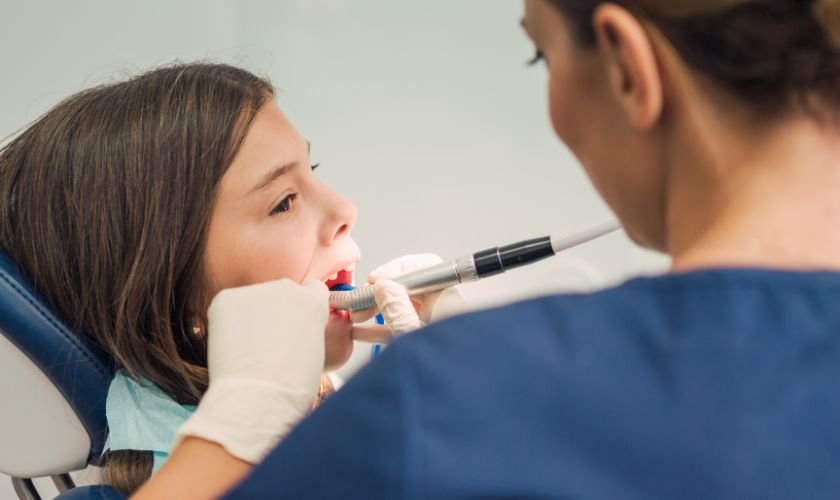
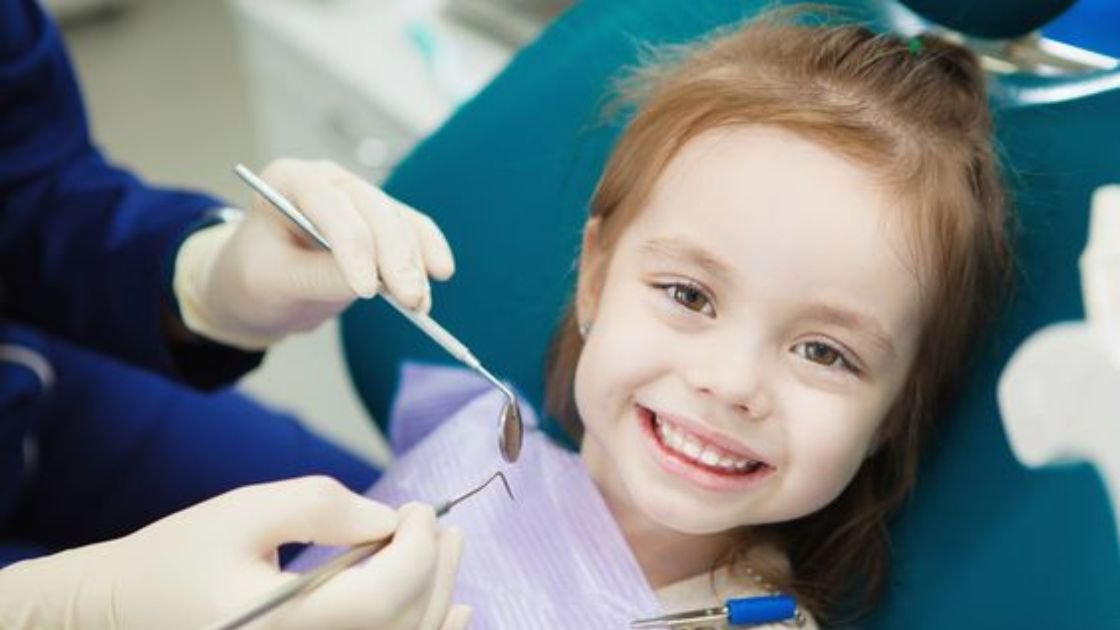
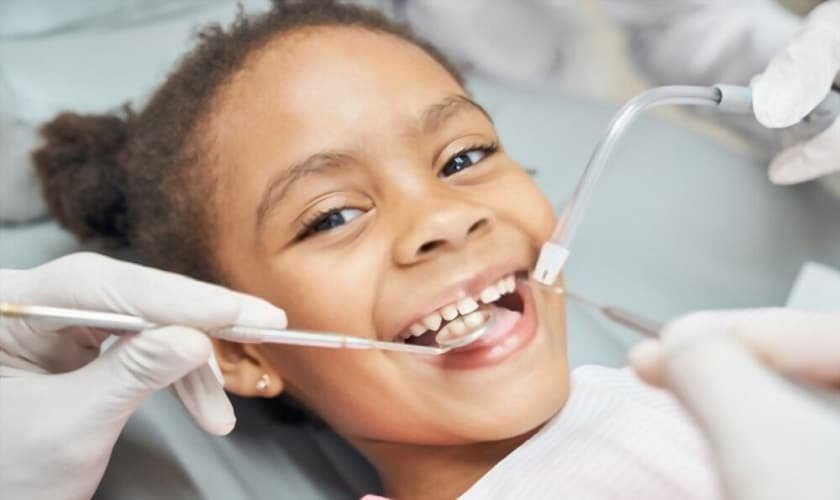
    Pediatric dentistry is a special branch of dentistry focused on the oral health of children, from infancy through their teen years. Choosing the right pediatric dentist is crucial for your child’s dental health and can set the foundation for a lifetime of good oral habits. In this post, we’ll cover what pediatric dentists do, the benefits of seeing one, and why it’s important to start dental visits early.
    Pediatric Dentists: What You Need to Know
    Pediatric Dentists: What You Need to Know

    1. What Is a Pediatric Dentist?

    A pediatric dentist is a dental professional who has completed additional training to care for the unique dental needs of children. After completing dental school, pediatric dentists undergo two to three years of specialized education in child psychology, growth and development, and pediatric dentistry techniques. They are experts in managing children’s oral health, addressing issues like cavities, teething, and alignment, while also making the experience comfortable and stress-free.

    Why It’s Important:

    • Specialized Care: Pediatric dentists understand how to treat the small mouths and evolving teeth of children, using techniques and tools designed for younger patients.
    • Comfortable Environment: They are there to deal with children’s fears and anxieties, creating a child-friendly atmosphere in the office.

    2. Why Should Your Child See a Pediatric Dentist?

    Many parents wonder if they should take their child to a general dentist or a child specialist. While general dentists can treat children, pediatric dentists are better equipped to handle the complexities of growing mouths and potential dental issues. They are trained to address both routine and complex dental problems in children and are experts in preventing and treating common childhood dental conditions.

    Benefits of Seeing a Pediatric Dentist:

    • Early Detection of Problems: Pediatric dentists can identify potential dental issues early, such as misalignment, cavities, or thumb-sucking habits, and provide timely interventions.
    • Preventive Care: They focus on preventive measures like fluoride treatments, sealants, and early orthodontic evaluations to ensure your child’s teeth develop properly.
    • Child-Focused Communication: Pediatric dentists are skilled at communicating with children in a way that is both educational and reassuring, which helps build trust and reduce anxiety.

    3. When Should Your Child First Visit the Dentist?

    The American Academy of Pediatric Dentistry (AAPD) recommends that children have their first dental visit by the age of one, or when their first tooth erupts. Early visits are crucial because they establish a foundation of good oral habits and give the pediatric dentist an opportunity to spot any potential issues before they become serious. The first visit usually focuses on educating parents about proper oral care, such as cleaning gums, brushing techniques, and nutrition.

    Early Visits Help With:

    • Teething Troubles: Dentists can provide advice and comfort on issues related to teething.
    • Preventive Advice: Parents can learn how to best care for their child’s teeth and gums and prevent early childhood cavities.
    • Building Positive Associations: Early visits help your child develop positive associations with the dentist, making future visits less stressful.

    4. Common Issues Pediatric Dentists Treat

    Pediatric dentists are equipped to handle a wide range of dental concerns specific to children. Some common issues they treat include:

    Common Conditions:

    • Cavities: Dental decay is one of the most common issues in children. Pediatric dentists provide fillings, fluoride treatments, and preventive care to reduce cavity risk.
    • Thumb-Sucking and Pacifier Use: Prolonged thumb-sucking or pacifier use can affect the alignment of teeth. Pediatric dentists can help guide children through the weaning process and offer solutions.
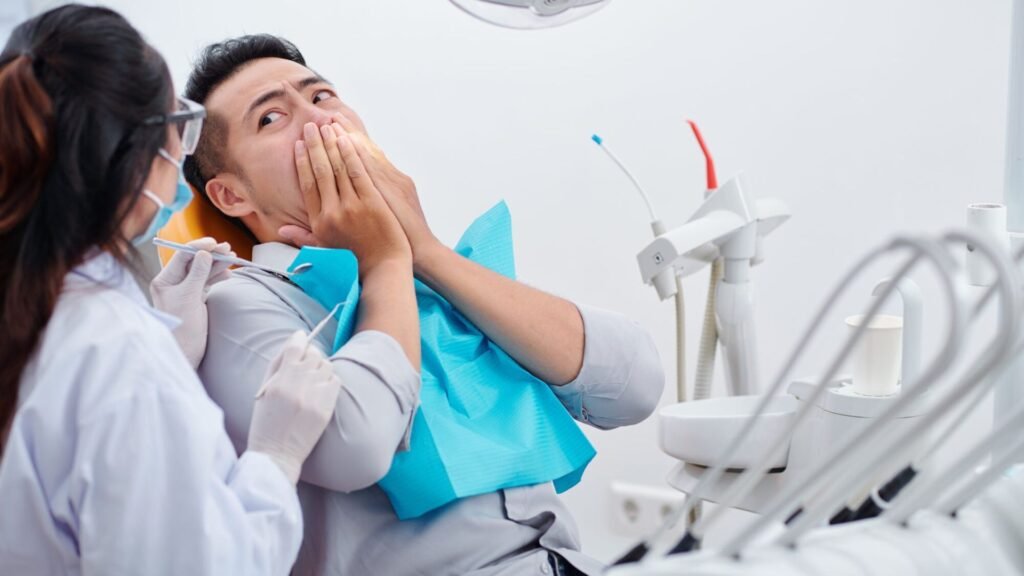
    • Dental Anxiety: Many children experience fear or anxiety about visiting the dentist. Pediatric dentists are trained to work with anxious children and create a calm, reassuring environment.
    • Orthodontic Concerns: Pediatric dentists monitor the development of teeth and jaws, offering early orthodontic evaluations to prevent future alignment problems.

    5. How Pediatric Dentists Make Visits Fun

    Dental visits for children should be as enjoyable as they are educational. Pediatric dentists go above and beyond to create a positive, fun environment that encourages children to look forward to their appointments. They use child-friendly language, fun tools, and sometimes even rewards to make the experience more engaging.

    Techniques Used by Pediatric Dentists:

    • Interactive Tools: Pediatric dentists often use colorful, kid-friendly equipment and technology to explain procedures in a way that is understandable and non-threatening.
    • Positive Reinforcement: Many pediatric dentists use sticker charts, toys, or small prizes to reward children for being brave during their visit.
    • Relaxed Atmosphere: Offices are often decorate with bright colors, cartoons, and waiting areas with toys or video games to keep children entertained and distracted.

    6. Preparing Your Child for Their First Visit

    One of the best ways to ensure a smooth first visit is to prepare your child in advance. Talk to them about what will happen, but avoid using language that could create fear. Instead, use positive and fun terms to describe the visit. It’s also helpful to set up a pre-visit tour of the office so your child can become familiar with the environment.

    Tips for Parents:

    • Stay Calm: Children pick up on your emotions, so try to stay calm and relaxed about the visit.
    • Keep It Positive: Emphasize the fun aspects of the visit, like meeting new people and getting a prize afterward.
    • Read Books About Dental Visits: There are many children’s books about visiting the dentist that can help familiarize them with the process.

    Conclusion

    Pediatric dentists play an essential role in your child’s dental health. From early prevention to addressing common childhood dental issues, these specialists are can provide the best care for young patients. Early dental visits, a child-friendly environment, and personalized care all contribute to setting your child up for a lifetime of healthy teeth and gums. By taking your child to a pediatric dentist, you are giving them the tools they need for a lifetime of good oral health.


  • Teeth Whitening Myths Debunked

    Teeth Whitening Myths Debunked

    Teeth whitening is a popular cosmetic dental procedure, but it’s also surrounded by myths and misconceptions. These false beliefs can lead to unrealistic expectations, improper practices, or missed opportunities for effective whitening. Let’s separate fact from fiction and debunk the most common teeth whitening myths.


    Myth 1: Whitening Damages Your Tooth Enamel

    The Truth: When done correctly, teeth whitening does not damage your enamel. Professional whitening treatments and dentist-approved at-home kits use safe concentrations of whitening agents like hydrogen peroxide or carbamide peroxide. These agents break down stains without harming the enamel. Over-the-counter products can also be safe if used as directed.

    What to Avoid: Excessive use of abrasive products, like baking soda, can wear down enamel over time. Always follow professional guidance to ensure safety.


    Myth 2: Whitening Works the Same for Everyone

    The Truth: The effectiveness of teeth whitening varies depending on the cause of discoloration. Extrinsic stains caused by food, drink, and smoking respond well to whitening treatments. However, intrinsic stains (inside the tooth) from medications, trauma, or aging may require advanced treatments like veneers or bonding.

    Pro Tip: Consult your dentist to determine the type of discoloration and the best whitening option for your needs.


    Myth 3: Whitening Results Are Permanent

    The Truth: Teeth whitening is not permanent. The results can last anywhere from a few months to a couple of years, depending on your lifestyle and oral hygiene. Regular consumption of staining substances like coffee, tea, or red wine can shorten the lifespan of your whitening results.

    How to Maintain Your Results:

    • Brush and floss daily.
    • Use a whitening toothpaste for touch-ups.
    • Avoid staining foods and drinks, or use a straw.
    • Schedule regular dental cleanings.

    Myth 4: DIY Remedies Are Just as Effective as Professional Whitening

    The Truth: While some natural remedies, like oil pulling or baking soda, can provide minor stain removal, they are not as effective as professional treatments. These remedies often lack scientific backing and can even harm your teeth if used improperly.

    Why Professional Whitening Wins:

    • It uses clinically tested and proven methods.
    • Provides faster and more noticeable results.
    • Includes safeguards to protect your teeth and gums.

    Myth 5: Whitening Toothpaste Can Whiten Teeth Dramatically

    The Truth: Whitening toothpaste is designed to remove surface stains but does not significantly alter the natural color of your teeth. It’s more effective as a maintenance tool after professional whitening rather than a standalone solution.

    What It Does:

    • Removes plaque and superficial stains.
    • Prevents new stains from setting in.

    What It Doesn’t Do:

    • Change the intrinsic color of your teeth.
    Teeth Whitening Myths Debunked
    Teeth Whitening Myths Debunked

    Myth 6: Whitening Causes Extreme Sensitivity

    The Truth: Some individuals may experience mild sensitivity during or after whitening, but this is usually temporary. Professional whitening treatments often include desensitizing agents to minimize discomfort.

    Tips to Reduce Sensitivity:

    • Use toothpaste designed for sensitive teeth before and after treatment.
    • Avoid very hot or cold foods immediately after whitening.
    • Talk to your dentist if sensitivity persists.

    Myth 7: Whitening Products Are Unsafe

    The Truth: Teeth whitening is safe when done correctly and under the guidance of a dentist. Over-the-counter products approved by dental organizations are also generally safe. Issues arise when products are overused, improperly applied, or obtained from unverified sources.

    Key Safety Practices:

    • Follow instructions carefully.
    • Avoid unregulated or unknown products.
    • Consult a dentist for professional advice.

    Myth 8: You Can Whiten Veneers, Crowns, or Fillings

    The Truth: Teeth whitening treatments only work on natural teeth and do not affect dental restorations like veneers, crowns, or fillings. If your restorations are stained or discolored, they may need to be replaced to match your whitened teeth.

    What to Do: Discuss your cosmetic goals with your dentist, who can recommend solutions for a uniform smile.


    Myth 9: The More You Whiten, the Brighter Your Teeth Will Be

    The Truth: Over-whitening can lead to adverse effects like tooth sensitivity, gum irritation, or enamel damage. Teeth have a natural limit to how white they can become, and excessive whitening attempts won’t make them glow beyond that point.

    Stick to the Plan: Follow the recommended treatment schedule provided by your dentist or product manufacturer.


    Myth 10: Professional Whitening Is Always Better Than At-Home Options

    The Truth: While professional whitening provides faster and more dramatic results, high-quality at-home kits prescribed by a dentist can also be effective. The choice depends on your budget, the level of staining, and your desired results.

    Best of Both Worlds: Many people combine professional treatments with at-home touch-ups for long-lasting whiteness.


    Tips for Safe and Effective Whitening

    1. Consult Your Dentist First: They can recommend the best treatment based on your oral health and whitening goals.
    2. Follow Instructions: Whether using professional or over-the-counter products, adhere to usage guidelines to avoid side effects.
    3. Maintain Good Oral Hygiene: Brushing, flossing, and regular dental checkups are essential for a bright smile.
    4. Avoid Stain-Causing Habits: Limit smoking and the consumption of staining foods and drinks.

    Conclusion

    Teeth whitening myths can lead to confusion and misguided practices. By understanding the facts, you can make informed decisions about your smile. Whether you choose professional whitening or an at-home method, always prioritize safety and consult your dentist for the best results.

    Don’t let myths hold you back—take the first step toward a confident, radiant smile today!

  • Top Qualities of a Skilled Dentist

    Top Qualities of a Skilled Dentist

    Choosing the right dentist is one of the most important decisions for your oral health. A skilled dentist not only ensures that you receive quality care but also provides a positive and comfortable experience. Whether you need a routine cleaning, a complex procedure, or emergency care, the qualities of a dentist can greatly impact your overall satisfaction and well-being. In this post, we’ll explore the top qualities that make a skilled dentist and why they are essential for your dental care.

    Top Qualities of a Skilled Dentist
    Top Qualities of a Skilled Dentist

    1. Expertise and Knowledge

    A skilled dentist must have a solid foundation of knowledge in dental science, procedures, and techniques. This includes not only a degree from an accredited dental school but also ongoing education to keep up with the latest developments in the field. Dentistry is constantly evolving with new technologies, treatments, and best practices. A dedicated dentist will invest in continuous learning to provide the most effective and modern care for their patients.

    Why It Matters:

    • Accurate Diagnosis: A knowledgeable dentist can identify dental issues early, which leads to more effective treatments and better outcomes.
    • Effective Treatment Plans: With expertise, dentists can tailor treatment plans to meet individual needs, ensuring optimal results for their patients.

    2. Strong Communication Skills

    Effective communication is one of the most important qualities of a skilled dentist. A good dentist should be able to explain complex dental concepts in simple, understandable terms, ensuring that you feel informed and comfortable throughout the process. This includes discussing treatment options, potential risks, and expected outcomes.

    Why It Matters:

    • Patient Comfort: Clear communication helps reduce anxiety and fear. When patients understand what’s happening and why, they feel more at ease.
    • Informed Decision-Making: By explaining treatment options in detail, a dentist helps you make informed decisions about your care.

    3. Attention to Detail

    Dentistry requires a high level of precision, especially when it comes to procedures like fillings, crowns, and implants. A skilled dentist pays close attention to the smallest details, ensuring that each procedure is done accurately and thoroughly. This attention to detail not only improves the outcome of treatments but also ensures your comfort throughout the process.

    Why It Matters:

    • Accuracy: Attention to detail results in more precise and effective dental treatments, leading to fewer complications and better long-term results.
    • Aesthetic Considerations: For procedures like cosmetic dentistry, a skilled dentist’s eye for detail ensures that the results are both functional and aesthetically pleasing.

    4. Empathy and Compassion

    A great dentist is not only skilled but also compassionate and empathetic toward their patients. Many people experience anxiety or fear when visiting the dentist, and a dentist with a compassionate attitude can help put them at ease. By actively listening to patients’ concerns and showing genuine care, an empathetic dentist builds trust and creates a positive dental experience.

    Why It Matters:

    • Emotional Support: Compassionate dentists provide comfort, especially to patients with dental anxiety or fear.
    • Building Trust: Patients are more likely to return to a dentist they feel understands their needs and concerns.

    5. Patience and Care

    Some dental procedures may take time, and a skilled dentist will be patient with their patients, explaining each step of the process without rushing. Whether it’s for a simple checkup or a more complex procedure, a dentist who takes their time shows that they value the patient’s comfort and well-being.

    Why It Matters:

    • Thorough Explanations: A patient dentist ensures that you fully understand each step, allowing you to feel more confident about the treatment.
    • Comfort: Dental procedures can sometimes be lengthy or uncomfortable, but a caring dentist will make sure you are comfortable throughout the process.

    6. Good Manual Dexterity

    A dentist’s manual dexterity is a crucial quality, as dental procedures often require delicate, precise movements. Whether performing a root canal, placing a dental implant, or doing a routine cleaning, the ability to handle tools with precision ensures the success of the treatment and minimizes discomfort.

    Why It Matters:

    • Efficient Procedures: Good manual dexterity ensures that procedures are done efficiently, reducing the time spent in the chair.
    • Minimized Risk of Error: With excellent dexterity, a dentist can avoid mistakes that might lead to complications or longer recovery times.

    7. Professionalism and Ethical Integrity

    A skilled dentist should uphold the highest standards of professionalism and ethics in their practice. This includes being honest about diagnoses, discussing treatment options openly, and following ethical guidelines for patient care. A professional dentist also respects patient confidentiality and strives to provide a safe and clean environment.

    Why It Matters:

    • Trust and Confidence: Professionalism fosters trust, which is crucial for building long-term relationships with patients.
    • Quality Care: Ethical integrity ensures that the dentist’s recommendations and treatments are in the best interest of the patient.

    8. Ability to Handle Stress and Problem-Solve

    Dentistry can be demanding, and there are times when things don’t go as planned. A skilled dentist must be able to handle stress, think quickly, and problem-solve effectively. Whether it’s managing unexpected complications during a procedure or calming an anxious patient, the ability to stay calm and collected under pressure is crucial.

    Why It Matters:

    • Problem Resolution: The ability to troubleshoot and find solutions ensures that issues are addressed quickly and efficiently.
    • Patient Care: Remaining calm and focused allows the dentist to provide the best care, even in high-pressure situations.

    Conclusion

    The top qualities of a skilled dentist go beyond technical expertise. From communication skills and empathy to attention to detail and professionalism, these traits are essential for providing high-quality care and ensuring a positive patient experience. When choosing a dentist, it’s important to find someone who not only possesses these qualities but also makes you feel comfortable and confident in their care. By selecting a skilled dentist, you’re investing in your oral health and well-being for the long term.


  • The Pros and Cons of Professional vs. At-Home Teeth Whitening

    The Pros and Cons of Professional vs. At-Home Teeth Whitening

    A bright, white smile is often seen as a hallmark of good health and confidence. Whether you’re considering a professional treatment or a DIY approach, it’s essential to weigh the pros and cons of each method to find the right solution for your needs. Let’s break down the advantages and disadvantages of professional teeth whitening versus at-home options.


    Professional Teeth Whitening

    Professional teeth whitening treatments are performed by licensed dentists and involve the use of high-grade whitening agents and specialized equipment.

    Pros:

    1. Dramatic Results in a Short Time:
      Professional treatments can make your teeth several shades whiter in just one session, often within an hour.
    2. Customized for Your Needs:
      Dentists tailor the treatment based on your dental health and desired level of whitening.
    3. Safe and Supervised:
      A dentist ensures the procedure is done safely, minimizing the risk of gum irritation or tooth sensitivity.
    4. Long-Lasting Effects:
      With proper care, professional whitening results can last a year or more.
    5. Effective on Stubborn Stains:
      Professional-grade whitening agents can tackle deep, intrinsic stains that at-home products may not.
    The Pros and Cons of Professional vs. At-Home Teeth Whitening
    The Pros and Cons of Professional vs. At-Home Teeth Whitening

    Cons:

    1. Higher Cost:
      Professional treatments can range from $300 to $1,000, making them more expensive than at-home options.
    2. Potential Sensitivity:
      Although precautions are taken, some patients may experience temporary tooth sensitivity after the procedure.
    3. Time Investment:
      While results are quick, you may need to schedule additional visits for maintenance.

    At-Home Teeth Whitening

    At-home whitening methods include over-the-counter products like strips, gels, toothpaste, and LED kits, as well as dentist-prescribed take-home kits.

    Pros:

    1. Affordability:
      At-home products are more budget-friendly, with prices ranging from $20 to $150.
    2. Convenience:
      You can whiten your teeth at your own pace, in the comfort of your home.
    3. Variety of Options:
      From whitening strips to LED kits, there’s an at-home method for every preference and budget.
    4. Gradual Whitening:
      For those who prefer subtle, gradual changes, at-home products deliver results over time.

    Cons:

    1. Limited Results:
      Most at-home products are less potent than professional treatments and may not achieve the same level of whitening.
    2. Inconsistent Application:
      OTC products like strips or gels may not apply evenly, leading to uneven whitening.
    3. Potential for Overuse:
      Misuse or overuse of at-home products can cause enamel erosion or gum irritation.
    4. Takes Longer:
      At-home methods often require weeks of consistent use to see noticeable results.

    Key Differences Between Professional and At-Home Whitening

    Feature Professional Whitening At-Home Whitening
    Cost High Low to Moderate
    Speed of Results Immediate Gradual
    Effectiveness Highly effective Moderate effectiveness
    Safety Supervised by a dentist Risk of misuse
    Convenience Requires a dental visit Done at home
    Customization Tailored to your needs One-size-fits-all

    Choosing the Right Option for You

    The best teeth whitening method depends on your personal preferences, budget, and dental health.

    1. Choose Professional Whitening If:
      • You want immediate, dramatic results.
      • You have deep stains or discoloration.
      • You’re concerned about safety and prefer expert supervision.
    2. Choose At-Home Whitening If:
      • You’re looking for an affordable solution.
      • You prefer gradual whitening at your convenience.
      • Your teeth are only mildly discolored.

    Tips for Maintaining Whiter Teeth

    Regardless of which method you choose, proper maintenance is essential to keep your teeth white:

    • Avoid staining foods and drinks like coffee, tea, and red wine.
    • Brush and floss daily to prevent plaque buildup.
    • Use a straw for beverages that can stain teeth.
    • Schedule regular dental cleanings.
    • Avoid smoking or using tobacco products.

    Conclusion

    Both professional and at-home teeth whitening methods have their pros and cons, and the best choice depends on your unique needs and goals. Professional treatments deliver fast and effective results under the guidance of a dentist, while at-home options provide convenience and affordability. Consult with your dentist to determine the most suitable option for achieving your dream smile.

    Ready to brighten your smile? Explore your options today and take the first step toward a confident, radiant grin!

  • Top Teeth Whitening Methods: What Works Best?

    Top Teeth Whitening Methods: What Works Best?

    A bright, white smile is often associated with confidence and good health. If you’re looking to whiten your teeth, you’ll find various methods available, ranging from professional treatments to at-home options. But with so many choices, how do you decide which one is best for you? Let’s explore the top teeth whitening methods to help you make an informed decision.


    1. Professional Teeth Whitening at the Dentist

    Professional whitening treatments performed by a dentist are among the most effective and safest ways to whiten your teeth.

    How It Works:

    • Dentists use high-concentration whitening agents, such as hydrogen peroxide or carbamide peroxide, to remove stains.
    • A protective barrier is applied to your gums to prevent irritation.
    • In some cases, a specialized light or laser is used to enhance the whitening effect.

    Benefits:

    • Dramatic results in just one session.
    • Safe and customized to your specific needs.
    • Supervised by a dental professional, reducing the risk of sensitivity or damage.

    Considerations:

    • More expensive than at-home options, with costs ranging from $300 to $1,000.

    2. Take-Home Whitening Kits from the Dentist

    If you prefer the convenience of whitening your teeth at home while still benefiting from professional guidance, dentist-prescribed take-home kits are a great option.

    How It Works:

    • Your dentist provides custom-fitted trays and a whitening gel.
    • You wear the trays for a specified time daily, usually for 1-2 weeks.

    Benefits:

    • Custom trays ensure even application of the whitening gel.
    • Professional-grade products offer noticeable results.
    • More affordable than in-office treatments.

    Considerations:

    • Results take longer compared to in-office whitening.
    Top Teeth Whitening Methods: What Works Best?
    Top Teeth Whitening Methods: What Works Best?

    3. Over-the-Counter Whitening Products

    Over-the-counter (OTC) whitening products are widely available and include options like strips, gels, and whitening toothpaste.

    Popular Options:

    • Whitening Strips: Thin, flexible strips coated with a peroxide-based gel. You apply them to your teeth for a specific duration daily.
    • Whitening Toothpaste: Contains mild abrasives and chemical agents to remove surface stains.
    • Whitening Pens: Portable pens filled with whitening gel for on-the-go touch-ups.

    Benefits:

    • Affordable and easily accessible.
    • Convenient for minor stain removal.

    Considerations:

    • Results are less dramatic compared to professional treatments.
    • Overuse can cause enamel erosion or sensitivity.

    4. Natural Teeth Whitening Remedies

    For those who prefer natural solutions, several home remedies claim to whiten teeth. Popular options include:

    • Baking Soda: A gentle abrasive that can remove surface stains.
    • Hydrogen Peroxide: A diluted solution used as a rinse or mixed with baking soda.
    • Oil Pulling: Swishing coconut oil in your mouth to remove bacteria and stains.

    Benefits:

    • Affordable and chemical-free.
    • Suitable for minor whitening.

    Considerations:

    • Results are subtle and take time to appear.
    • Improper use (e.g., excessive baking soda) may harm your enamel.

    5. LED Whitening Kits

    At-home LED whitening kits are gaining popularity for their convenience and effectiveness.

    How It Works:

    • Kits include a whitening gel and an LED light device to enhance the gel’s effects.
    • You apply the gel and use the LED light for the recommended duration.

    Benefits:

    • Faster results compared to some OTC products.
    • Portable and easy to use.

    Considerations:

    • Effectiveness varies depending on the brand.
    • May cause sensitivity for some users.

    6. Whitening Mouthwash

    Whitening mouthwashes contain mild bleaching agents that help remove stains over time.

    Benefits:

    • Easy to incorporate into your daily routine.
    • Helps maintain results after professional whitening.

    Considerations:

    • Results are minimal compared to other methods.
    • Requires consistent use over an extended period.

    7. Veneers or Bonding for Stubborn Stains

    For stains that cannot be removed with whitening products, cosmetic procedures like veneers or bonding may be an option.

    How It Works:

    • Veneers: Thin porcelain shells that cover the front of your teeth.
    • Bonding: A tooth-colored resin applied to teeth to cover stains.

    Benefits:

    • Provides a flawless, white smile.
    • Effective for intrinsic stains (stains within the tooth).

    Considerations:

    • Expensive, with veneers costing $500–$2,500 per tooth.
    • Requires some alteration of your natural teeth.

    Choosing the Right Method

    The best teeth whitening method depends on several factors:

    • Severity of Stains: Professional treatments are ideal for deep stains, while OTC products may suffice for minor discoloration.
    • Budget: Consider the cost and balance it with the desired results.
    • Time: Professional treatments offer quick results, while at-home methods may take longer.
    • Tooth Sensitivity: Opt for treatments designed for sensitive teeth if necessary.

    Tips for Maintaining a Whiter Smile

    To prolong the effects of teeth whitening, follow these tips:

    • Avoid foods and beverages that stain, such as coffee, tea, and red wine.
    • Brush and floss regularly to prevent plaque buildup.
    • Use a straw to minimize contact with staining drinks.
    • Schedule regular dental cleanings to keep your teeth bright.

    Conclusion

    Teeth whitening offers a range of options to suit every need and budget. From professional treatments to DIY remedies, there’s a method for everyone. Consult your dentist to determine the best approach for achieving a radiant, confident smile. Whichever method you choose, maintaining good oral hygiene and regular dental visits will help keep your teeth looking their best.

    Ready for a brighter smile? Contact your dentist today to explore your whitening options!

  • How to Overcome Dental Anxiety: Tips from Your Dentist

    How to Overcome Dental Anxiety: Tips from Your Dentist

    Dental anxiety is a common issue that affects many people, causing them to feel uneasy or fearful about visiting the dentist. Whether it’s due to past negative experiences, fear of pain, or simply the environment of the dental office, anxiety can prevent individuals from seeking the care they need. However, overcoming dental anxiety is possible, and there are various strategies that can help you feel more relaxed and comfortable during your dental visits. Here are some practical tips from dentists to help you manage and reduce dental anxiety.

    How to Overcome Dental Anxiety: Tips from Your Dentist
    How to Overcome Dental Anxiety: Tips from Your Dentist

    Understand the Source of Your Anxiety

    The first step in overcoming dental anxiety is understanding its source. Are you afraid of the pain, the sounds, or the feeling of being out of control during treatment? Identifying the specific triggers of your anxiety can help you and your dentist address them directly. For example, if you are afraid of the pain, discussing pain management options with your dentist can help you feel more in control. If it’s the sounds of the equipment that make you anxious, bring earphones or ask the dental office to play calming music during your visit.

    Communicate Your Fears to Your Dentist

    Effective communication is key when it comes to managing dental anxiety. Let your dentist and the dental team know about your fears and concerns. Dentists are trained to work with anxious patients and can offer solutions to help make you feel more comfortable. By being open about your anxiety, your dentist can modify the treatment plan, provide extra support, or offer sedation options to help you relax. Remember, your dentist is there to ensure your comfort and safety, so don’t hesitate to share your feelings.

     Practice Relaxation Techniques

    Relaxation techniques can be incredibly helpful in reducing anxiety before and during dental procedures. Deep breathing exercises, progressive muscle relaxation, and guided meditation are all techniques that can help calm your nerves. Before your appointment, try practicing these methods at home to prepare for the visit. During the procedure, focus on your breathing and try to relax your muscles. These techniques can help reduce the physical symptoms of anxiety, such as a racing heart or tense muscles.

    Consider Sedation Options

    For patients with severe dental anxiety, sedation may be an option. Dentists offer various sedation methods to help patients feel more at ease during procedures. Nitrous oxide, also known as laughing gas, is a mild sedative that helps you relax without putting you to sleep. Oral sedatives, which are taken before the appointment, can also help you feel calm and relaxed during treatment. In some cases, general anesthesia may be used for more invasive procedures. Discuss your options with your dentist to determine the best choice for your level of anxiety and the procedure you’re undergoing.

    Bring a Support Person Along

    Sometimes, having a trusted friend or family member accompany you to your appointment can provide comfort and reassurance. Having a familiar face in the waiting room or with you during the procedure can make the experience less intimidating. Your support person can also help distract you or keep you calm by talking to you or holding your hand. Don’t hesitate to ask a loved one to join you, especially if it helps reduce your anxiety.

    Start with a Simple Appointment

    If your anxiety is overwhelming, consider starting with a simple, non-invasive dental appointment. This could be a routine cleaning or a consultation where no major work is done. Starting with a less stressful procedure can help you build trust with your dentist and become more accustomed to the dental environment. Once you’re comfortable with a basic appointment, you can gradually progress to more complex treatments as your confidence grows.

    Conclusion

    Dental anxiety is a common issue, but it doesn’t have to prevent you from receiving the care you need. By understanding the source of your anxiety, communicating with your dentist, and exploring relaxation techniques or sedation options, you can overcome your fear and enjoy a more comfortable dental experience. Remember, your dentist is there to support you every step of the way, and with the right approach, dental visits can become a more relaxed and positive experience.

  • The Role of a Dentist in Preventing Gum Disease

    The Role of a Dentist in Preventing Gum Disease

    Gum disease, or periodontal disease, is a common yet preventable condition that affects the health of the gums and supporting structures of the teeth. Left untreated, it can lead to tooth loss and other serious health issues. Dentists play a pivotal role in the prevention and management of gum disease, ensuring that your oral health remains in optimal condition. Here’s how they contribute to maintaining healthy gums.


    1. Early Detection of Gum Disease

    Dentists are trained to identify the early signs of gum disease, such as:

    • Red, swollen, or tender gums
    • Bleeding while brushing or flossing
    • Persistent bad breath
    • Gum recession or sensitivity

    Through routine dental checkups, they can detect these symptoms early, often before you notice them yourself. Early detection allows for timely intervention, preventing the progression of gum disease into more severe stages.


    2. Professional Dental Cleanings

    Plaque buildup is a leading cause of gum disease. While daily brushing and flossing are essential, professional cleanings are necessary to remove plaque and tartar (hardened plaque) that cannot be eliminated at home.

    Benefits of Professional Cleanings:

    • Removes plaque and tartar from hard-to-reach areas.
    • Reduces the risk of gum inflammation and infection.
    • Provides a fresh start for maintaining oral hygiene.

    Dentists recommend professional cleanings every six months, although patients at higher risk for gum disease may require more frequent visits.


    3. Personalized Oral Hygiene Guidance

    Dentists educate patients on proper oral hygiene techniques tailored to their specific needs. This includes:

    • Demonstrating effective brushing and flossing methods.
    • Recommending products like antimicrobial mouthwash or electric toothbrushes.
    • Providing tips for managing common risk factors, such as smoking or poor nutrition.

    This personalized guidance empowers patients to take charge of their gum health between visits.


    4. Non-Surgical Treatments for Early Gum Disease

    If early gum disease (gingivitis) is detected, dentists can perform non-surgical treatments to reverse the condition, such as:

    • Scaling and Root Planing: A deep cleaning procedure that removes plaque and tartar from below the gumline and smooths tooth roots to prevent bacteria buildup.
    • Antimicrobial Therapy: The application of medicated gels or rinses to reduce bacterial infection.

    These treatments are highly effective when combined with good oral hygiene practices.

    The Role of a Dentist in Preventing Gum Disease
    The Role of a Dentist in Preventing Gum Disease

    5. Monitoring Gum Health Over Time

    Dentists keep a close watch on your gum health during regular checkups, tracking any changes over time. This monitoring is crucial for:

    • Identifying patterns that may indicate a higher risk for gum disease.
    • Adjusting treatment plans as needed to address emerging issues.
    • Ensuring long-term maintenance of healthy gums.

    By maintaining a consistent relationship with your dentist, you can prevent gum disease from recurring or worsening.


    6. Addressing Underlying Risk Factors

    Certain factors increase the likelihood of developing gum disease, including:

    • Smoking or tobacco use
    • Poor diet lacking in essential nutrients
    • Chronic conditions like diabetes
    • Stress or hormonal changes

    Dentists provide guidance on mitigating these risk factors, offering practical solutions to improve gum health. For example, they may recommend quitting smoking or incorporating more vitamin C-rich foods into your diet.


    7. Referrals to Specialists When Necessary

    In cases where gum disease has progressed to advanced stages (periodontitis), dentists may refer patients to periodontists—specialists in treating severe gum disease. Periodontists can provide advanced treatments, such as:

    • Gum surgery to restore damaged tissue.
    • Bone grafting to rebuild support for teeth.
    • Dental implants to replace lost teeth caused by gum disease.

    This collaborative approach ensures patients receive comprehensive care tailored to their condition.


    8. Emphasizing the Connection Between Gum Health and Overall Health

    Dentists educate patients about the link between gum health and overall health. Research has shown that untreated gum disease is associated with:

    • Heart disease
    • Stroke
    • Diabetes complications
    • Respiratory infections

    By preventing gum disease, dentists help reduce the risk of these systemic health issues, contributing to overall well-being.


    Tips for Preventing Gum Disease at Home

    While dentists play a vital role in preventing gum disease, maintaining healthy gums requires a partnership between the patient and dental care provider. Follow these tips to keep your gums in top condition:

    • Brush your teeth twice a day using fluoride toothpaste.
    • Floss daily to remove plaque and food particles between teeth.
    • Eat a balanced diet and avoid excessive sugar consumption.
    • Avoid smoking or using tobacco products.
    • Schedule regular dental checkups and cleanings.

    Consistency in these habits is key to preventing gum disease and enjoying a healthy smile.


    Conclusion

    The role of a dentist in preventing gum disease extends far beyond routine cleanings. Through early detection, personalized care, and patient education, dentists are your first line of defense against this common yet preventable condition. Regular dental visits combined with good oral hygiene practices can protect your gums and overall health for years to come.

    Take the first step in safeguarding your oral health by scheduling an appointment with your dentist today.

  • The Latest Advancements in Dentistry You Should Know About

    Dentistry has undergone significant advancements in recent years, revolutionizing how dental professionals care for their patients. With the introduction of new technologies and innovative treatments, patients now have access to faster, more effective, and less invasive procedures. This article highlights the latest advancements in dentistry and how they contribute to better oral health care.

    The Latest Advancements in Dentistry You Should Know About
    The Latest Advancements in Dentistry You Should Know About

    Teledentistry

    Teledentistry is one of the most innovative advancements in dentistry. This technology allows patients to consult with their dentists remotely through video calls or online platforms. It’s especially useful for individuals living in rural or underserved areas where access to dental care is limited. Teledentistry enables dentists to provide initial consultations, follow-up appointments, and even diagnose certain conditions, allowing patients to receive timely care without having to leave their homes. This development not only improves access to dental care but also reduces the need for in-person visits, making dental care more convenient and efficient.

    Laser Dentistry

    Laser dentistry is revolutionizing the way dental procedures are performed. Lasers are now used for a variety of treatments, including cavity detection, gum disease treatment, and teeth whitening. The benefit of using lasers is that they are minimally invasive, causing less pain and discomfort than traditional methods. Laser treatments also result in quicker recovery times, fewer complications, and more precise outcomes. For example, laser treatment for gum disease removes infected tissue without affecting healthy gum tissue, leading to faster healing and minimal bleeding. The use of lasers in dental procedures is continuing to expand, making treatments more comfortable and effective.

    3D Printing in Dentistry

    3D printing has made its way into the dental industry, allowing for the creation of custom dental implants, crowns, bridges, and dentures with a high degree of precision. This technology enables dental professionals to design and print restorations on-site, significantly reducing the wait time for patients. 3D-printed dental restorations are also more accurate, as they are tailored to fit a patient’s unique dental structure. This advancement has streamlined the process of creating dental prosthetics, resulting in better-fitting, longer-lasting restorations. Additionally, 3D printing has the potential to lower the cost of dental procedures, making dental care more accessible to a wider audience.

    Artificial Intelligence in Diagnostics

    Artificial intelligence (AI) is transforming the diagnostic process in dentistry. AI tools can analyze X-rays, CT scans, and other diagnostic images with incredible accuracy, helping dentists identify dental issues such as cavities, tooth decay, and even oral cancer in their earliest stages.  In addition, AI can help dentists develop personalized treatment plans based on a patient’s unique dental needs, ensuring better outcomes and more efficient care.

    Teeth Whitening with LED Technology

    Teeth whitening treatments have been popular for years, but the latest innovation in this area is the use of LED light technology. LED teeth whitening systems accelerate the bleaching process, providing quicker results with less sensitivity. LED whitening is not only effective but also safer for teeth and gums, reducing the risk of over-bleaching or gum irritation. The introduction of LED technology in teeth whitening has made it one of the most sought-after cosmetic dental treatments.

    Smart Toothbrushes

    The development of smart toothbrushes has empowered patients to take better care of their oral health at home. These toothbrushes come equipped with sensors that monitor brushing techniques, ensuring that patients brush with the correct pressure and for the recommended amount of time. Many smart toothbrushes sync with mobile apps, providing real-time feedback and personalized brushing tips. Smart toothbrushes offer a modern approach to maintaining oral hygiene and are particularly helpful for individuals with special oral health needs.

    Conclusion

    The latest advancements in dentistry are improving the way dental professionals care for their patients, offering faster, less invasive, and more effective treatments. With the integration of technology such as teledentistry, laser treatments, 3D printing, and AI, patients can look forward to more personalized and efficient dental care. As the field of dentistry continues to evolve, patients will benefit from innovations that make oral health care more accessible, affordable, and comfortable.

  • The Benefits of Seeing a Pediatric Dentist for Your Child

    The Benefits of Seeing a Pediatric Dentist for Your Child

    Oral health is an essential part of your child’s overall well-being, and choosing the right dental care provider is crucial for fostering healthy habits and a positive relationship with dental care. Pediatric dentists specialize in treating children from infancy through adolescence, providing expert care tailored to their unique needs. Here are the key benefits of entrusting your child’s dental health to a pediatric dentist.


    1. Specialized Training in Child Dentistry

    Pediatric dentists undergo additional years of specialized training beyond general dentistry. This training focuses on:

    • Understanding the growth and development of children’s teeth and jaws.
    • Managing dental issues specific to children, such as baby teeth concerns and early orthodontic evaluations.
    • Handling behavioral challenges and making dental visits less intimidating for kids.

    This expertise ensures that your child receives care designed specifically for their developmental stage.


    2. A Child-Friendly Environment

    Pediatric dental offices are designed with children in mind, featuring:

    • Bright, colorful decor to create a welcoming atmosphere.
    • Toys, games, and child-friendly entertainment in the waiting area.
    • Smaller, child-sized dental tools for greater comfort.

    Such an environment helps children feel at ease and reduces fear or anxiety, making dental visits a positive experience.


    3. Early Detection of Dental Issues

    Pediatric dentists are skilled in identifying potential dental problems early, including:

    • Tooth decay or cavities.
    • Misaligned teeth or bite issues.
    • Habits like thumb-sucking that may affect oral development.

    Early detection allows for timely intervention, preventing minor problems from becoming more serious.


    4. Preventive Dental Care

    Preventive care is a cornerstone of pediatric dentistry. Your child’s dentist will focus on maintaining oral health through:

    • Regular cleanings to remove plaque and tartar.
    • Fluoride treatments to strengthen enamel and prevent cavities.
    • Dental sealants to protect vulnerable teeth from decay.

    Additionally, your child will receive guidance on proper brushing and flossing techniques, fostering good oral hygiene habits at an early age.

    The Benefits of Seeing a Pediatric Dentist for Your Child
    The Benefits of Seeing a Pediatric Dentist for Your Child

    5. Expertise in Managing Dental Anxiety

    Many children experience fear or anxiety about visiting the dentist. Pediatric dentists are trained in techniques to make kids feel more comfortable, such as:

    • Using gentle, age-appropriate explanations of procedures.
    • Offering sedation options when necessary for highly anxious or uncooperative children.
    • Providing a friendly, patient-centered approach to care.

    By creating a positive experience, pediatric dentists help build trust and reduce future dental anxiety.


    6. Focus on Baby Teeth

    While baby teeth eventually fall out, they play a critical role in your child’s development. Pediatric dentists emphasize the importance of healthy baby teeth because they:

    • Help children chew and speak properly.
    • Act as placeholders for permanent teeth, guiding their proper alignment.

    Pediatric dentists address issues like cavities in baby teeth to ensure that your child’s oral health and development stay on track.


    7. Customized Care for Special Needs Children

    Children with special healthcare needs often require tailored dental care. Pediatric dentists have the training and experience to provide compassionate, individualized care for:

    • Children with developmental or physical disabilities.
    • Patients who require special accommodations for sensory sensitivities.

    This ensures that every child has access to quality dental care in a safe and supportive environment.


    8. Promotes Long-Term Oral Health

    Establishing a relationship with a pediatric dentist sets the foundation for a lifetime of good oral health. Children who visit the dentist regularly from a young age are more likely to:

    • Maintain proper oral hygiene habits.
    • Avoid dental problems in adulthood.
    • Feel comfortable seeking dental care throughout their lives.

    These early experiences can have a lasting impact on their overall health and well-being.


    9. Early Orthodontic Evaluations

    Pediatric dentists can identify potential orthodontic issues early, such as overcrowding or misaligned teeth. Early evaluation allows for timely intervention, which can simplify or shorten future orthodontic treatment.


    10. Encourages Parent Involvement

    Pediatric dentists work closely with parents to ensure that children receive the best care possible. They provide:

    • Guidance on diet and nutrition to support oral health.
    • Tips for managing teething, thumb-sucking, or pacifier use.
    • Recommendations for creating a consistent oral hygiene routine at home.

    This collaboration helps parents feel empowered to support their child’s oral health journey.


    Conclusion

    Choosing a pediatric dentist for your child is an investment in their oral health and overall well-being. With specialized training, a child-friendly approach, and a focus on preventive care, pediatric dentists provide the expertise and environment your child needs for a healthy, happy smile. Regular visits not only protect your child’s teeth but also create a positive foundation for lifelong dental care.

    Schedule an appointment with a pediatric dentist today to give your child the best start in their oral health journey!

  • What to Do if You Have a Dental Emergency

    What to Do if You Have a Dental Emergency

    Dentistry is evolving at an unprecedented pace, with technological innovations transforming the way dental care is delivered. These advancements enhance patient comfort, reduce treatment times, and improve outcomes, making visits to the dentist more efficient and less intimidating. Here’s a look at the latest breakthroughs revolutionizing the dental industry.


    1. Digital Impressions and 3D Imaging

    Traditional dental impressions, often messy and uncomfortable, are being replaced by digital impressions using intraoral scanners. These devices capture precise, high-resolution images of your teeth, creating 3D models for better diagnostics and treatment planning.

    Benefits:

    • Improved accuracy for crowns, bridges, and aligners
    • Faster turnaround times for restorations
    • Enhanced patient comfort

    Cone-beam computed tomography (CBCT) is another advanced imaging technique, offering 3D views of teeth, soft tissues, and bone structures, crucial for implant placement and complex procedures.


    2. Laser Dentistry

    Laser dentistry is transforming how dentists approach various procedures. Lasers use concentrated light beams for precision and minimal invasiveness.

    Applications:

    • Treating gum disease by removing infected tissue
    • Reshaping gums for cosmetic procedures
    • Cavity detection and treatment without drills
    • Reducing discomfort in procedures like root canals

    Advantages:

    • Faster healing times
    • Minimal bleeding and swelling
    • Reduced need for anesthesia

    3. 3D Printing in Dentistry

    3D printing technology has revolutionized how dental appliances are made. Dentists can now produce crowns, dentures, retainers, and surgical guides in-house, drastically reducing waiting times.

    Key Benefits:

    • High precision and customization for a perfect fit
    • Cost-effective solutions for patients
    • Faster production of dental prosthetics

    4. Artificial Intelligence (AI) in Dentistry

    AI is making waves in diagnostics and treatment planning. Machine learning algorithms analyze dental images, assisting dentists in detecting issues like cavities, gum disease, and oral cancer with greater accuracy.

    How AI Helps:

    • Identifying early signs of dental problems
    • Personalized treatment recommendations
    • Enhancing efficiency in administrative tasks, like scheduling

    AI-powered tools are paving the way for more precise and preventive dental care.

    What to Do if You Have a Dental Emergency
    What to Do if You Have a Dental Emergency

    5. Teledentistry

    Teledentistry has grown in popularity, particularly since the pandemic. It allows patients to consult with dentists remotely, using video calls and digital platforms.

    Benefits of Teledentistry:

    • Convenient access to dental advice without visiting the clinic
    • Early diagnosis of minor issues to prevent them from worsening
    • Reduced travel time and costs

    This approach is especially helpful for patients in remote areas or those with busy schedules.


    6. Smart Toothbrushes

    Oral hygiene at home is also benefiting from technology. Smart toothbrushes equipped with sensors and Bluetooth connectivity monitor your brushing habits and provide feedback via mobile apps.

    Features Include:

    • Tracking brushing duration and technique
    • Real-time feedback for better oral hygiene
    • Gamified features for kids to encourage consistent brushing

    Smart toothbrushes make maintaining oral health more engaging and effective.


    7. CAD/CAM Technology

    Computer-Aided Design and Computer-Aided Manufacturing (CAD/CAM) technology allows dentists to design and fabricate restorations like crowns and veneers on the same day.

    Advantages:

    • Eliminates the need for temporary restorations
    • Ensures a precise fit and natural look
    • Reduces the number of visits for patients

    Same-day restorations using CAD/CAM technology are becoming increasingly popular for their convenience and accuracy.


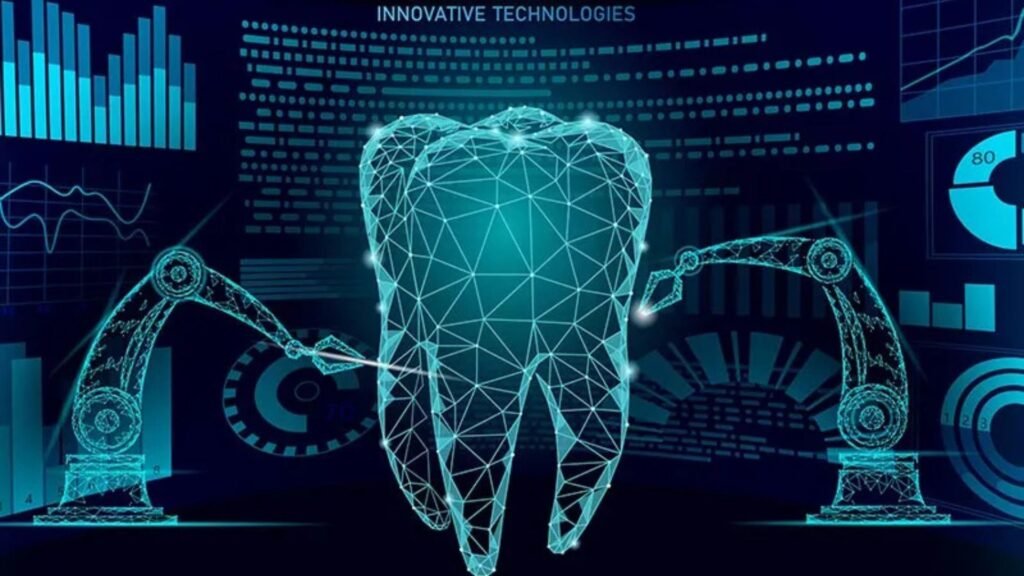
    8. Robotics in Dentistry

    Robotics is playing a significant role in dental surgeries, particularly in implantology. Robotic systems assist dentists in performing precise procedures with greater control and reduced risk of error.

    Applications:

    • Guiding implant placement with millimeter accuracy
    • Improving outcomes in complex surgeries
    • Enhancing patient safety

    While still emerging, robotics promises to redefine surgical precision in dentistry.


    9. Regenerative Dentistry

    Advances in regenerative medicine are finding their way into dentistry. Techniques like platelet-rich plasma (PRP) therapy promote healing in procedures such as gum grafts and bone regeneration.

    Future Possibilities:

    • Developing bioengineered teeth
    • Repairing damaged dental tissues using stem cells

    Regenerative dentistry holds immense potential for restoring natural oral health.


    10. Virtual Reality (VR) and Augmented Reality (AR)

    VR and AR are enhancing both patient experiences and dental training.

    • VR: Used to reduce anxiety by immersing patients in calming virtual environments during procedures.
    • AR: Aids in dental education by providing interactive, 3D simulations for students and professionals.

    These technologies make dentistry more accessible and patient-friendly.


    Why Embrace Dental Technology?

    Modern advancements in dentistry improve not just the quality of care but also patient experiences. From shorter treatment times to minimally invasive procedures, these technologies cater to the growing demand for efficient and comfortable dental care.


    Conclusion

    The latest advancements in dentistry technology are reshaping the field, offering innovative solutions to age-old challenges. Whether it’s precise imaging, AI-driven diagnostics, or same-day restorations, these technologies ensure better outcomes and greater patient satisfaction. As dentistry continues to evolve, staying informed about these developments can help you make the most of modern dental care.

    Ready to experience cutting-edge dentistry? Schedule an appointment today to benefit from the latest innovations and keep your smile healthy and radiant.