Category: Dentists

  • The Latest Advancements in Dentistry Technology

    The Latest Advancements in Dentistry Technology

    Dentistry is evolving at an unprecedented pace, with technological innovations transforming the way dental care is delivered. These advancements enhance patient comfort, reduce treatment times, and improve outcomes, making visits to the dentist more efficient and less intimidating. Here’s a look at the latest breakthroughs revolutionizing the dental industry.


    1. Digital Impressions and 3D Imaging

    Traditional dental impressions, often messy and uncomfortable, are being replaced by digital impressions using intraoral scanners. These devices capture precise, high-resolution images of your teeth, creating 3D models for better diagnostics and treatment planning.

    Benefits:

    • Improved accuracy for crowns, bridges, and aligners
    • Faster turnaround times for restorations
    • Enhanced patient comfort

    Cone-beam computed tomography (CBCT) is another advanced imaging technique, offering 3D views of teeth, soft tissues, and bone structures, crucial for implant placement and complex procedures.


    2. Laser Dentistry

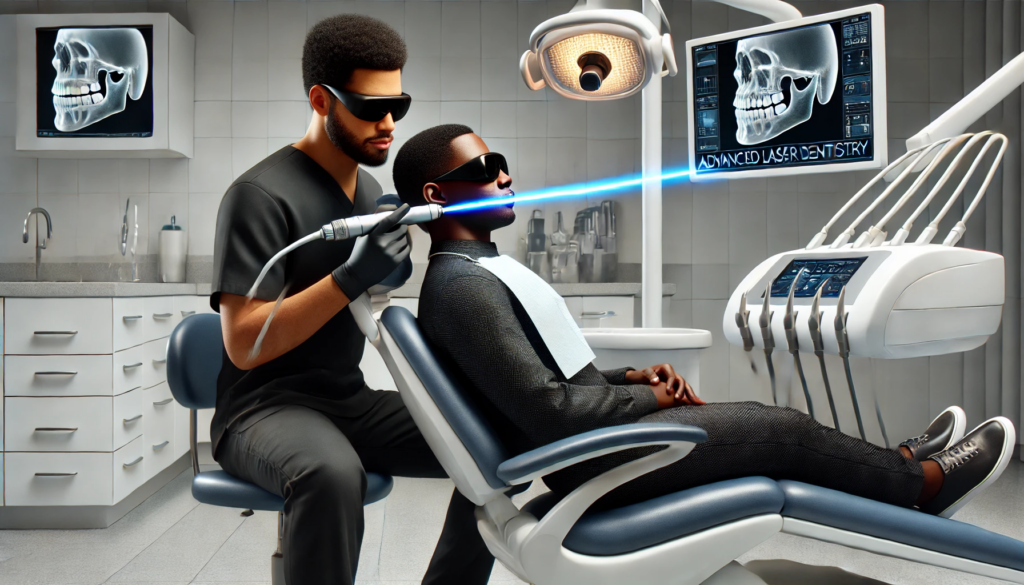
    Laser dentistry is transforming how dentists approach various procedures. Lasers use concentrated light beams for precision and minimal invasiveness.

    Applications:

    • Treating gum disease by removing infected tissue
    • Reshaping gums for cosmetic procedures
    • Cavity detection and treatment without drills
    • Reducing discomfort in procedures like root canals

    Advantages:

    • Faster healing times
    • Minimal bleeding and swelling
    • Reduced need for anesthesia

    3. 3D Printing in Dentistry

    3D printing technology has revolutionized how dental appliances are made. Dentists can now produce crowns, dentures, retainers, and surgical guides in-house, drastically reducing waiting times.
    The Latest Advancements in Dentistry Technology
    The Latest Advancements in Dentistry Technology

    Key Benefits:

    • High precision and customization for a perfect fit
    • Cost-effective solutions for patients
    • Faster production of dental prosthetics

    4. Artificial Intelligence (AI) in Dentistry

    AI is making waves in diagnostics and treatment planning. Machine learning algorithms analyze dental images, assisting dentists in detecting issues like cavities, gum disease, and oral cancer with greater accuracy.

    How AI Helps:

    • Identifying early signs of dental problems
    • Personalized treatment recommendations
    • Enhancing efficiency in administrative tasks, like scheduling

    AI-powered tools are paving the way for more precise and preventive dental care.


    5. Teledentistry

    Teledentistry has grown in popularity, particularly since the pandemic. It allows patients to consult with dentists remotely, using video calls and digital platforms.

    Benefits of Teledentistry:

    • Convenient access to dental advice without visiting the clinic
    • Early diagnosis of minor issues to prevent them from worsening
    • Reduced travel time and costs

    This approach is especially helpful for patients in remote areas or those with busy schedules.


    6. Smart Toothbrushes

    Oral hygiene at home is also benefiting from technology. Smart toothbrushes equipped with sensors and Bluetooth connectivity monitor your brushing habits and provide feedback via mobile apps.

    Features Include:

    • Tracking brushing duration and technique
    • Real-time feedback for better oral hygiene
    • Gamified features for kids to encourage consistent brushing

    Smart toothbrushes make maintaining oral health more engaging and effective.


    7. CAD/CAM Technology

    Computer-Aided Design and Computer-Aided Manufacturing (CAD/CAM) technology allows dentists to design and fabricate restorations like crowns and veneers on the same day.

    Advantages:

    • Eliminates the need for temporary restorations
    • Ensures a precise fit and natural look
    • Reduces the number of visits for patients

    Same-day restorations using CAD/CAM technology are becoming increasingly popular for their convenience and accuracy.


    8. Robotics in Dentistry

    Robotics is playing a significant role in dental surgeries, particularly in implantology. Robotic systems assist dentists in performing precise procedures with greater control and reduced risk of error.

    Applications:

    • Guiding implant placement with millimeter accuracy
    • Improving outcomes in complex surgeries
    • Enhancing patient safety

    While still emerging, robotics promises to redefine surgical precision in dentistry.


    9. Regenerative Dentistry

    Advances in regenerative medicine are finding their way into dentistry. Techniques like platelet-rich plasma (PRP) therapy promote healing in procedures such as gum grafts and bone regeneration.

    Future Possibilities:

    • Developing bioengineered teeth
    • Repairing damaged dental tissues using stem cells

    Regenerative dentistry holds immense potential for restoring natural oral health.


    10. Virtual Reality (VR) and Augmented Reality (AR)

    VR and AR are enhancing both patient experiences and dental training.

    • VR: Used to reduce anxiety by immersing patients in calming virtual environments during procedures.
    • AR: Aids in dental education by providing interactive, 3D simulations for students and professionals.

    These technologies make dentistry more accessible and patient-friendly.


    Why Embrace Dental Technology?

    Modern advancements in dentistry improve not just the quality of care but also patient experiences. From shorter treatment times to minimally invasive procedures, these technologies cater to the growing demand for efficient and comfortable dental care.


    Conclusion

    The latest advancements in dentistry technology are reshaping the field, offering innovative solutions to age-old challenges. Whether it’s precise imaging, AI-driven diagnostics, or same-day restorations, these technologies ensure better outcomes and greater patient satisfaction. As dentistry continues to evolve, staying informed about these developments can help you make the most of modern dental care.

    Ready to experience cutting-edge dentistry? Schedule an appointment today to benefit from the latest innovations and keep your smile healthy and radiant.

  • Top Questions to Ask Your Dentist Before Any Procedure

    Top Questions to Ask Your Dentist Before Any Procedure

    Visiting the dentist for a procedure can feel overwhelming, especially if it’s your first time undergoing a particular treatment. Asking the right questions can help you feel informed, comfortable, and confident in the care you’re receiving. Below, we outline key questions to ask your dentist before any procedure, ensuring you have a thorough understanding of what to expect.

    Top Questions to Ask Your Dentist Before Any Procedure
    Top Questions to Ask Your Dentist Before Any Procedure

    Understanding the Procedure

    1. What is the purpose of this procedure?

    Knowing the objective of the procedure helps you understand why it’s necessary. Ask your dentist to explain the issue being addressed and how the procedure will resolve it.

    2. How does the procedure work?

    Request a step-by-step explanation of what the treatment involves. This helps demystify the process and prepares you mentally for what will happen during your visit.

    3. Are there alternative treatments?

    Inquire about other treatment options that might be available. Your dentist can explain why the recommended procedure is the best choice or discuss alternatives that may suit your needs better.

    Evaluating Risks and Benefits

    4. What are the benefits of this procedure?

    Understanding the expected outcomes of the treatment can give you clarity on its value. Whether it’s pain relief, improved oral health, or aesthetic enhancement, knowing the benefits can reassure you.

    5. What are the risks or potential complications?

    Every procedure has potential risks, even if they’re minor. Ask your dentist to outline possible side effects or complications so you can make an informed decision.

    6. How successful is this procedure?

    Discuss success rates and factors that might influence the procedure’s effectiveness. This helps set realistic expectations for the outcome.

    Preparation and Recovery

    7. How should I prepare for the procedure?

    Your dentist may recommend specific steps to take before your appointment, such as fasting, taking prescribed medications, or avoiding certain foods. Follow these instructions carefully to ensure a smooth process.

    8. What is the recovery process like?

    Ask about post-procedure care, including dietary restrictions, oral hygiene practices, and activities to avoid. Knowing how long recovery will take helps you plan accordingly.

    9. Will I experience pain or discomfort?

    Understanding the level of pain or discomfort you might feel during and after the procedure helps manage expectations. Your dentist can also suggest pain management strategies, if needed.

    Cost and Insurance Coverage

    10. How much will the procedure cost?

    Discuss the full cost of the procedure, including any additional expenses such as follow-up visits or medications. This ensures there are no surprises when you receive the bill.

    11. Is this procedure covered by my insurance?

    If you have dental insurance, confirm whether the procedure is covered and what portion you’ll need to pay out-of-pocket.

    12. Are payment plans or financing options available?

    For costly treatments, ask about flexible payment options to make the procedure more affordable.

    Dentist’s Expertise and Experience

    13. How experienced are you with this procedure?

    Inquire about your dentist’s qualifications, training, and experience with performing the specific treatment. This can boost your confidence in their ability to deliver quality care.

    14. Can I see before-and-after photos of similar cases?

    If the procedure involves cosmetic changes, viewing photos of previous patients can give you an idea of the expected results.

    15. What technology or techniques will you use?

    Modern dental practices often use advanced technology to enhance patient comfort and improve outcomes. Ask about the tools and techniques your dentist plans to employ.

    Follow-Up and Maintenance

    16. Will I need follow-up appointments?

    Some procedures require additional visits for adjustments or monitoring. Ask about the follow-up schedule to ensure you can commit to the required care.

    17. How do I maintain the results of this procedure?

    For treatments like teeth whitening or orthodontics, your dentist may provide guidelines to help you maintain the results for as long as possible.

    18. What should I do if complications arise?

    Discuss how to contact your dentist in case of unexpected issues after the procedure. Knowing there’s a plan in place for emergencies can ease your concerns.

    Conclusion

    Asking your dentist these questions before any procedure empowers you to make informed decisions about your oral health. It fosters trust, helps you understand the process, and ensures you’re prepared for what lies ahead. By being proactive, you can approach your treatment with confidence and peace of mind, knowing that you’re in good hands.

  • How Dentists Detect Early Signs of Oral Cancer

    How Dentists Detect Early Signs of Oral Cancer

    Oral cancer is a serious health condition that can affect various parts of the mouth, including the lips, tongue, cheeks, and throat. Early detection is critical to improving outcomes, and regular dental visits play a vital role in identifying potential issues before they become severe. Here’s how dentists detect the early signs of oral cancer and why regular screenings are essential for your health.


    1. The Importance of Early Detection

    Oral cancer often begins without noticeable symptoms, making it easy to overlook. However, when detected early, the chances of successful treatment and recovery are significantly higher. Dentists are trained to identify subtle changes in your oral tissues that may indicate the presence of cancer or precancerous conditions.


    2. What Is an Oral Cancer Screening?

    An oral cancer screening is a routine examination performed by your dentist to look for signs of abnormalities in your mouth, throat, or neck. These screenings are quick, non-invasive, and typically included as part of your regular dental checkup.


    3. Visual Examination

    Dentists begin the screening process with a thorough visual inspection of your mouth. They look for:

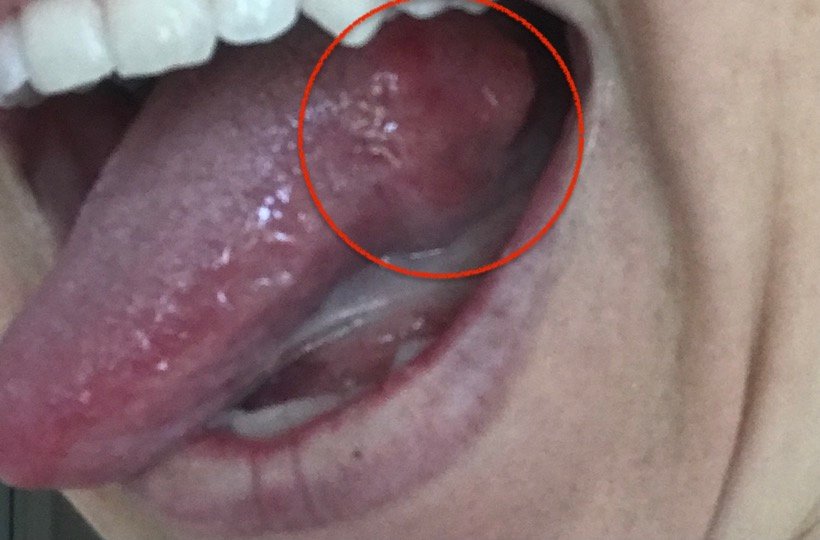
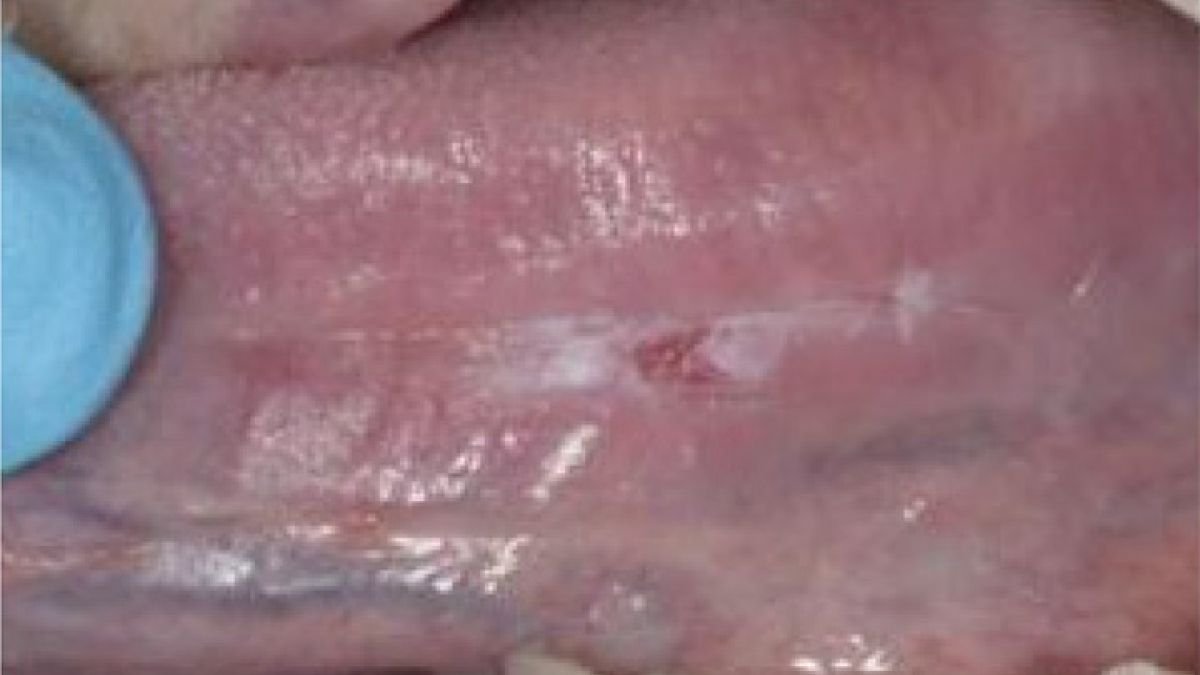
    • Red or white patches on the gums, tongue, or inner cheeks
    • Unexplained sores that don’t heal within two weeks
    • Lumps, swelling, or thickened areas in the soft tissues
    • Changes in the color or texture of your oral tissues

    The dentist will also inspect your lips, the roof of your mouth, and the back of your throat for irregularities.

    How Dentists Detect Early Signs of Oral Cancer
    How Dentists Detect Early Signs of Oral Cancer

    4. Physical Examination

    In addition to a visual exam, your dentist may gently feel your neck, jawline, and oral tissues to detect any lumps, masses, or unusual tenderness. This hands-on approach helps identify abnormalities that may not be visible but could indicate underlying issues.


    5. Use of Specialized Tools

    To enhance the accuracy of the screening, dentists may use specialized tools and techniques, such as:

    • Velscope: A handheld device that uses fluorescent light to highlight abnormal tissue.
    • Toluidine Blue Stain: A dye applied to the oral tissues to highlight suspicious areas.
    • Brush Biopsy: A simple procedure where a small brush is used to collect cells from a suspicious area for analysis.

    These tools help dentists detect abnormalities that may not be visible to the naked eye.


    6. Discussion of Symptoms

    Your dentist may ask questions to determine if you’re experiencing any symptoms that could indicate oral cancer. Common symptoms include:

    • Persistent mouth pain or discomfort
    • Difficulty swallowing or chewing
    • A feeling of something stuck in the throat
    • Numbness in the mouth or lips
    • Hoarseness or voice changes

    Open communication with your dentist is crucial for identifying potential issues early.


    7. Lifestyle and Risk Factors Assessment

    Your dentist will also discuss your medical history and lifestyle habits to assess your risk for oral cancer. Factors that increase your risk include:

    • Tobacco use (smoking or chewing)
    • Heavy alcohol consumption
    • Human papillomavirus (HPV) infection
    • Prolonged sun exposure (increasing the risk of lip cancer)
    • Family history of cancer

    Understanding your risk factors allows your dentist to recommend more frequent screenings or additional preventive measures.


    8. Referral for Further Testing

    If your dentist identifies any suspicious areas during the screening, they may recommend further testing. This could involve a biopsy, where a small sample of tissue is sent to a lab for analysis, or a referral to an oral surgeon or specialist for a more comprehensive evaluation.


    Why Are Regular Screenings Essential?

    Oral cancer screenings are vital because:

    • Early-stage oral cancer often causes no pain or obvious symptoms.
    • Treatment is more effective and less invasive when cancer is detected early.
    • Screenings can identify precancerous conditions, allowing for preventive measures.

    Routine dental visits ensure that potential problems are caught before they become life-threatening.


    How to Reduce Your Risk of Oral Cancer

    While dental screenings are crucial, you can also take steps to reduce your risk of oral cancer, including:

    • Quitting smoking and avoiding tobacco products
    • Limiting alcohol consumption
    • Protecting your lips from excessive sun exposure with sunscreen or lip balm
    • Maintaining a healthy diet rich in fruits and vegetables
    • Practicing good oral hygiene and attending regular dental checkups

    Conclusion

    Dentists play a vital role in the early detection of oral cancer through routine screenings and comprehensive exams. By identifying abnormalities early, they help improve treatment outcomes and protect your overall health. Scheduling regular dental checkups and being proactive about your oral health can make all the difference.

    Take charge of your health—schedule your next dental appointment today to ensure early detection and peace of mind.

  • The Importance of Regular Dental Checkups

    The Importance of Regular Dental Checkups

    Maintaining good oral health goes far beyond brushing and flossing at home. Regular dental checkups are essential for keeping your teeth and gums healthy and preventing potential oral health problems before they escalate. These visits provide benefits that extend to your overall health, making them an indispensable part of a healthy lifestyle.


    1. Early Detection of Dental Problems

    Regular dental checkups allow your dentist to catch potential issues early, such as cavities, gum disease, or oral infections. Many dental problems don’t cause noticeable symptoms in their early stages, but a professional exam can uncover these issues before they become serious.

    Examples of Early Detection:

    • Cavities: Small areas of decay can be treated with a simple filling before they worsen.
    • Gum Disease: Gingivitis, the early stage of gum disease, can be reversed with timely care.
    • Oral Cancer: Dentists perform screenings to detect any early signs of oral cancer, which can save lives.

    2. Professional Cleaning for Optimal Oral Health

    Even with excellent at-home oral hygiene, plaque and tartar can build up in hard-to-reach areas of your mouth. Professional dental cleanings during checkups remove these deposits, helping to:

    • Prevent cavities
    • Reduce the risk of gum disease
    • Eliminate stubborn stains, keeping your teeth brighter

    Skipping cleanings can allow tartar buildup to lead to more severe dental issues, such as periodontal disease.


    3. Prevention of Gum Disease

    Gum disease is a leading cause of tooth loss in adults, but it’s preventable with regular care. During a checkup, your dentist or hygienist will evaluate your gum health, checking for signs like redness, swelling, or bleeding. Early intervention can stop gum disease in its tracks and prevent more severe stages, such as periodontitis.

    The Importance of Regular Dental Checkups
    The Importance of Regular Dental Checkups

    4. Saves Money in the Long Run

    Preventive dental care is far more affordable than treating advanced dental problems. Regular checkups and cleanings help you avoid costly procedures, such as root canals, crowns, or tooth extractions. By catching problems early, you save both time and money while ensuring your oral health.


    5. Improves Overall Health

    Oral health is closely connected to overall health. Conditions like gum disease have been linked to systemic health issues, including heart disease, diabetes, and respiratory infections. Regular dental checkups play a crucial role in reducing these risks by keeping your mouth healthy.

    Did You Know?

    • Poor oral hygiene can lead to bacterial infections that spread to other parts of your body.
    • Regular dental visits can detect signs of health issues like diabetes or nutritional deficiencies.

    6. Boosts Your Confidence

    A healthy smile is key to self-confidence. Regular checkups keep your teeth clean and your breath fresh, ensuring you feel great about your appearance. Addressing dental issues like discoloration or misaligned teeth during routine visits can also enhance your smile over time.


    7. Educates You on Oral Hygiene

    Dental checkups are an opportunity to learn more about maintaining proper oral hygiene. Dentists and hygienists can provide personalized advice tailored to your needs, such as:

    • Correct brushing and flossing techniques
    • Recommended dental products for your specific concerns
    • Dietary tips to protect your teeth

    This guidance helps you take better care of your teeth and gums between visits.


    8. Prevents Dental Emergencies

    Neglecting regular checkups can lead to sudden dental emergencies, such as severe tooth pain or infections. Regular visits help address minor issues before they become urgent, saving you the discomfort and stress of unexpected dental problems.


    9. Keeps Children’s Teeth Healthy

    For children, regular dental checkups are essential for monitoring the growth and development of their teeth. Pediatric dentists ensure that baby teeth stay healthy and identify issues like misalignment early, which can prevent complications as permanent teeth come in.


    How Often Should You Have a Dental Checkup?

    The general recommendation is to visit your dentist every six months. However, your dentist may suggest a different frequency based on your oral health needs. For instance:

    • Patients with a history of gum disease may require more frequent visits.
    • Those with excellent oral health might be fine with annual checkups.

    Consult your dentist to determine the best schedule for your care.


    Conclusion

    Regular dental checkups are a cornerstone of maintaining excellent oral and overall health. They prevent dental problems, save you money in the long term, and give you the tools and confidence to maintain a beautiful smile. Don’t wait until a problem arises—schedule your next dental checkup today and invest in your health and well-being.

  • The Importance of Regular Dental Checkups

    The Importance of Regular Dental Checkups

    Maintaining good oral health is essential for overall well-being, and regular dental checkups play a crucial role in achieving this. Many people underestimate the significance of these visits, viewing them as optional rather than essential. However, routine checkups are more than just an opportunity to clean your teeth—they’re a proactive way to prevent serious dental and health issues.

    The Importance of Regular Dental Checkups
    The Importance of Regular Dental Checkups

    Why Regular Dental Checkups Are Essential

    1. Preventive Care

    Dental checkups are a preventive measure against oral health problems. During these visits, dentists can identify early signs of issues like cavities, gum disease, and oral infections. Addressing these problems early prevents them from escalating into painful or costly conditions.

    2. Professional Teeth Cleaning

    Even with diligent brushing and flossing, it’s challenging to remove all plaque and tartar from your teeth. Professional cleaning during a dental checkup ensures your teeth and gums stay healthy. It also reduces the risk of developing decay and gum disease.

    3. Detecting Gum Disease

    Gum disease often develops silently, with minimal or no symptoms in its early stages. Dentists can detect and treat gum disease early, preventing tooth loss and other complications.

    4. Early Detection of Oral Cancer

    Oral cancer can be life-threatening if not diagnosed and treated promptly. Dentists screen for signs of oral cancer during routine checkups, increasing the chances of successful treatment through early intervention.

    5. Maintaining Overall Health

    Oral health is closely linked to overall health. Conditions such as diabetes and heart disease are associated with poor oral hygiene. Regular dental visits help identify signs of these conditions, contributing to early diagnosis and management.

    What Happens During a Dental Checkup

    1. Comprehensive Examination

    The dentist examines your teeth, gums, tongue, and other parts of your mouth for signs of disease or damage. This examination includes checking for cavities, gum inflammation, and other issues.

    2. X-rays When Needed

    In some cases, the dentist may recommend X-rays to identify problems that are not visible during a physical examination, such as impacted teeth, bone loss, or deep decay.

    3. Professional Cleaning

    The hygienist removes plaque and tartar buildup from your teeth using specialized tools. They also polish your teeth to remove surface stains and improve their appearance.

    4. Oral Hygiene Tips

    Your dentist or hygienist will offer personalized advice on brushing, flossing, and maintaining a healthy diet to support your oral health.

    How Often Should You Visit the Dentist?

    The American Dental Association (ADA) recommends visiting the dentist at least twice a year for routine checkups and cleanings. However, some individuals may need more frequent visits, depending on their oral health needs.

    The Benefits of Regular Dental Checkups

    1. Saves Money in the Long Run

    Preventing dental issues is often less expensive than treating them. Regular checkups help avoid costly procedures like root canals, crowns, or extractions.

    2. Reduces Anxiety

    For those who experience dental anxiety, regular visits can build familiarity and trust with your dentist, making future appointments less intimidating.

    3. Promotes a Bright Smile

    Professional cleaning removes stains and plaque, helping your smile look brighter and healthier.

    4. Encourages a Healthy Lifestyle

    Dentists often provide insights on how smoking, sugar consumption, and other habits impact oral health, encouraging healthier choices.

    Common Misconceptions About Dental Checkups

    1. They’re Only Necessary If You Have a Problem

    Many people believe dental visits are only for emergencies. In reality, routine checkups prevent issues from developing in the first place.

    2. Dental Visits Are Painful

    Modern dental practices prioritize patient comfort, using advanced techniques and technology to minimize discomfort.

    3. They’re Too Expensive

    While some dental procedures can be costly, regular checkups are an investment in your long-term health and often prevent more expensive treatments.

    Conclusion

    Regular dental checkups are an essential part of maintaining good oral and overall health. They help prevent dental issues, detect serious conditions early, and keep your smile bright and confident. By prioritizing these visits, you’re investing in a healthier future. Don’t wait for a problem to arise—schedule your next dental appointment today to enjoy the benefits of a healthy, happy smile.

  • The Role of a General Dentist vs. a Specialist

    The Role of a General Dentist vs. a Specialist

    Understanding the difference between a general dentist and a dental specialist is crucial for making informed decisions about oral health care. While both professionals are trained to maintain and improve dental health, their roles, training, and areas of focus differ significantly. Here’s a detailed breakdown of their responsibilities and when you might need each.

    The Role of a General Dentist vs. a Specialist
    The Role of a General Dentist vs. a Specialist

    General Dentist: The Primary Care Provider

    A general dentist serves as your primary dental care provider, focusing on preventive care and routine treatments. They are akin to a family doctor but for oral health.

    Education and Training

    • General dentists complete a bachelor’s degree followed by four years of dental school to earn a Doctor of Dental Surgery (DDS) or Doctor of Dental Medicine (DMD) degree.
    • They are equipped to handle a wide range of dental issues without additional specialization.

    Key Responsibilities

    1. Preventive Care: General dentists emphasize routine checkups, cleanings, and patient education to prevent oral diseases.
    2. Diagnosis: They identify and address common dental issues such as cavities, gum disease, and oral infections.
    3. Restorative Procedures: General dentists perform fillings, crowns, bridges, and root canals to restore teeth.
    4. Cosmetic Dentistry: They offer services like teeth whitening and veneers to enhance aesthetics.
    5. Basic Oral Surgery: Tooth extractions and minor surgical procedures are often handled by general dentists.

    When to Visit a General Dentist

    • For regular checkups and cleanings.
    • When you experience minor tooth pain, sensitivity, or other common dental issues.
    • For basic restorative or cosmetic procedures.

    Dental Specialist: The Focused Expert

    A dental specialist undergoes additional training in a specific area of dentistry after earning their DDS or DMD degree. This extra training allows them to focus on more complex dental issues.

    Types of Dental Specialists

    1. Orthodontist
      • Focus: Aligning teeth and jaws using braces, retainers, and clear aligners.
      • When to Visit: For crooked teeth, bite issues, or jaw misalignment.
    2. Periodontist
      • Focus: Treating gum diseases and performing gum surgeries.
      • When to Visit: For advanced periodontal disease or dental implant placement.
    3. Endodontist
      • Focus: Specializing in root canal treatments.
      • When to Visit: For severe tooth pain caused by infections in the pulp.
    4. Oral and Maxillofacial Surgeon
      • Focus: Complex surgeries involving the jaw, face, and mouth.
      • When to Visit: For wisdom tooth extractions, jaw realignment, or treatment of facial trauma.
    5. Pediatric Dentist
      • Focus: Dental care for infants, children, and teenagers.
      • When to Visit: For child-specific dental issues and preventive care.
    6. Prosthodontist
      • Focus: Replacing missing teeth using dentures, bridges, and implants.
      • When to Visit: For advanced tooth restoration or replacement needs.
    7. Oral Pathologist
      • Focus: Diagnosing oral diseases, including cancer.
      • When to Visit: For unexplained oral lesions or other suspicious conditions.

    When to Visit a Specialist

    • When referred by your general dentist for specialized care.
    • If you have advanced or complex dental issues that require focused expertise.

    General Dentist vs. Specialist: A Comparison

    Aspect General Dentist Specialist
    Scope Broad, general dental care Focused, specialized care
    Training DDS/DMD DDS/DMD + additional specialty training
    Role Preventive and restorative services Advanced treatment for specific issues
    Examples Cleanings, fillings, crowns Orthodontics, gum surgery, implants

    The Collaborative Approach

    General dentists and specialists often work together to ensure comprehensive dental care. For instance, your general dentist might detect an issue during a routine exam and refer you to a specialist for advanced treatment.

    Conclusion

    Both general dentists and dental specialists play vital roles in maintaining oral health. While a general dentist is your go-to provider for routine care and minor treatments, specialists step in when advanced expertise is needed. Understanding their roles helps you seek the right care at the right time, ensuring optimal dental health for you and your family.

  • How to Choose the Right Dentist for Your Family

    How to Choose the Right Dentist for Your Family

    Selecting the right dentist for your family is essential for maintaining good oral health and ensuring a positive experience for everyone, from young children to adults. The process involves evaluating their qualifications, services, and compatibility with your family’s unique needs. Here’s a detailed guide to help you make an informed decision.

    How to Choose the Right Dentist for Your Family
    How to Choose the Right Dentist for Your Family

    Assess Your Family’s Dental Needs

    Before you start searching, identify the specific dental services your family requires.

    • For Children: Look for a dentist who specializes in pediatric care.
    • For Adults: Consider general or cosmetic dentistry, depending on your needs.
    • For Orthodontics: If someone in your family needs braces or aligners, ensure the dentist offers orthodontic services or has referrals to a trusted specialist.
      Understanding your requirements helps you focus on dentists equipped to handle them.

    Research Credentials and Experience

    Verify the dentist’s qualifications, including their education, certifications, and licensure.

    • Check if they are members of reputable organizations like the American Dental Association (ADA).
    • Look for experience, especially in handling families, children, or specific dental treatments.

    Consider the Location and Office Hours

    Convenience plays a big role in maintaining regular appointments. Choose a dentist located near your home, work, or school.

    • Ensure their office hours align with your family’s schedule.
    • Look for offices offering weekend or evening appointments, especially if you have a busy lifestyle.

    Read Reviews and Ask for Recommendations

    • Online Reviews: Check platforms like Google, Yelp, or the dentist’s website for patient reviews. Focus on feedback about professionalism, office environment, and patient care.
    • Word of Mouth: Ask friends, family, or colleagues for recommendations. Personal experiences can provide valuable insights.

    Visit the Office for a Consultation

    Schedule an initial visit to assess the office environment and staff interactions.

    • Cleanliness: The clinic should be clean, organized, and equipped with modern tools.
    • Friendliness: Observe how the staff treats patients, especially children.
    • Communication: A good dentist listens, explains procedures clearly, and answers questions patiently.

    Evaluate the Services Offered

    Your dentist should provide a comprehensive range of services to cater to your family’s needs.

    • Preventive Care: Regular checkups, cleanings, and fluoride treatments.
    • Restorative Care: Fillings, crowns, and root canals.
    • Specialized Services: Orthodontics, cosmetic dentistry, and gum treatments.
      Having all services in one place saves time and ensures continuity of care.

    Consider Insurance and Payment Options

    Dental care costs can add up, so choose a dentist that fits your budget.

    • Check if they accept your dental insurance.
    • Inquire about payment plans, discounts for families, or alternative financing options.

    Ensure a Kid-Friendly Approach

    If you have children, a dentist skilled in pediatric care can make visits enjoyable for them.

    • Look for offices with child-friendly features like colorful decor, toys, or books.
    • Dentists who use positive reinforcement and gentle techniques can help kids feel comfortable.

    Check for Emergency Services

    Dental emergencies can happen unexpectedly. Confirm if the dentist provides urgent care or has an emergency contact system.

    Trust Your Instincts

    Ultimately, your comfort and trust in the dentist matter most. If you and your family feel welcomed, respected, and cared for, you’ve likely found the right match.

    Conclusion

    Choosing the right dentist for your family is a decision that impacts your overall health and well-being. By considering qualifications, location, services, and reviews, you can find a dentist who meets your family’s needs. Building a long-term relationship with the right dental professional ensures a lifetime of healthy smiles.

  • What to Expect During Your First Visit to the Dentist

    What to Expect During Your First Visit to the Dentist

    Visiting the dentist for the first time can feel intimidating, especially if you’re unsure about what to expect. However, understanding the process can ease your nerves and help you prepare. A first dental visit is typically straightforward and focuses on evaluating your oral health and establishing a relationship with your dentist.

    What to Expect During Your First Visit to the Dentist
    What to Expect During Your First Visit to the Dentist

    Scheduling Your Appointment

    When booking your appointment, provide any necessary medical history or concerns about your oral health. If you have dental insurance, check with the clinic to confirm coverage. Ask if you need to bring any forms or arrive early to complete paperwork.

    What to Bring to Your First Visit

    • A list of current medications and medical conditions
    • Insurance information, if applicable
    • Any past dental records, if available
    • Questions or concerns you want to discuss with the dentist

    The Check-In Process

    Upon arrival, you’ll complete any necessary forms if not done in advance. The staff will likely ask about your medical history, allergies, and current medications. This information helps the dentist tailor their approach to your needs.

    Meeting Your Dentist

    Your dentist will begin by introducing themselves and discussing your dental and medical history. They’ll ask about any dental issues you’ve experienced, such as sensitivity, pain, or previous treatments. This is a great time to share concerns or ask questions.

    The Oral Examination

    The dentist or hygienist will perform a thorough examination of your mouth. This typically includes:

    • Teeth Inspection: Checking for cavities, cracks, or wear.
    • Gum Assessment: Looking for signs of gum disease, such as redness, swelling, or bleeding.
    • Oral Cancer Screening: Examining the tongue, throat, and other soft tissues for unusual growths or lesions.
    • X-Rays: If needed, X-rays will be taken to provide a deeper view of your teeth and jaw. This helps identify hidden issues like impacted teeth, decay, or bone loss.

    Dental Cleaning

    If time permits, a professional cleaning may be included during your first visit. The hygienist will:

    • Remove Plaque and Tartar: Using special tools, they’ll clean areas that are difficult to reach with regular brushing.
    • Polish Teeth: A gritty toothpaste and high-powered brush are used to polish your teeth, leaving them smooth and clean.
    • Flossing: The hygienist will floss between your teeth to remove any remaining debris.

    Discussing Treatment Plans

    After the examination and cleaning, your dentist will review their findings with you. They’ll:

    • Explain any issues detected and recommend treatments if necessary.
    • Offer advice on improving your oral hygiene routine.
    • Answer any questions you have about procedures, costs, or follow-up appointments.

    Tips for a Comfortable Visit

    • Communicate Clearly: Let your dentist know if you’re nervous or have dental anxiety. Many offices offer techniques to make you feel more at ease.
    • Ask Questions: Understanding the process helps alleviate fears and empowers you to take control of your dental health.
    • Bring Headphones: Listening to music or a podcast can help you relax during the visit.

    Establishing a Routine

    Your first visit sets the foundation for regular dental care. Most dentists recommend follow-up visits every six months for cleanings and checkups. Regular visits can prevent minor issues from becoming major problems.

    Conclusion

    Your first dental visit is a crucial step toward maintaining good oral health. By understanding what to expect and preparing in advance, you can make the experience smooth and stress-free. Establishing trust with your dentist ensures that future visits are even more comfortable. Remember, taking care of your teeth today leads to a healthier smile tomorrow.

  • Dentists Near Me Open On Weekends

    Dentists Near Me Open On Weekends

    Finding dentists near me open on weekends is a great way to maintain your oral health without disrupting your busy schedule. Whether you work full-time or have other commitments during the week, weekend dental appointments offer the flexibility you need to keep up with routine check-ups, cleanings, and even urgent dental needs.

    Here’s how to find dentists open on weekends and why they may be the best choice for your dental care.

    Dentists Near Me Open On Weekends
    Dentists Near Me Open On Weekends

    Why Choose Dentists Open On Weekends?

    Weekend appointments are an excellent option for people who struggle to take time off work or school during the week. For some, weekday visits are simply not possible due to hectic schedules, making dentists near me open on weekends a more convenient solution.

    1. Flexible Scheduling: Weekend appointments allow you to choose a time that works best for you, whether it’s Saturday or Sunday.
    2. No Time Off Required: You can go to the dentist without needing to take time off from work or school.
    3. Emergency Care: In case of dental emergencies like toothaches, broken teeth, or other urgent needs, having a dentist open on weekends can provide timely relief.
    4. Easier for Families: If you have kids or other family members who need dental care, weekend appointments can make it easier to schedule everyone’s visits.

    How to Find Dentists Near Me Open On Weekends

    Finding dentists near me open on weekends is easy if you know where to look. Here are a few tips to help you find the right dentist:

    1. Search Online

    Start by searching online for “dentists open on weekends near me.” Most dental offices that offer weekend hours will advertise this on their website. You can also use online directories like Google Maps or Yelp to look up dentists in your area and filter by those with weekend availability.

    2. Use Dental Insurance Provider Directories

    If you have dental insurance, check with your provider for a list of dentists in your area who accept your insurance and offer weekend appointments. Many insurance companies have online search tools to help you find a dentist based on your location and specific needs.

    3. Call Local Dental Offices

    Once you have a list of potential dentists, call their office to confirm their weekend hours. Some dental offices may only be open on Saturdays, while others may offer Sunday appointments as well. It’s important to ask about their weekend availability, as hours may vary by office or location.

    4. Ask for Recommendations

    If you’re struggling to find a dentist open on weekends, ask friends, family, or coworkers for recommendations. Many people may have experience with weekend appointments and can point you in the direction of a dentist who is both highly recommended and available when you need them.

    5. Look for Emergency Dentists

    If you’re facing a dental emergency and need to see a dentist right away, consider searching for an emergency dentist. Emergency dentists are often available outside of regular hours, including weekends, to provide immediate care for urgent issues.

    Types of Services Offered By Dentists Open On Weekends

    Dentists who offer weekend hours typically provide a wide range of services, including:

    1. Routine Check-ups and Cleanings: These are basic services that most people need to stay on top of their oral health.
    2. Fillings and Restorative Care: If you have a cavity or need dental work to repair a damaged tooth, many weekend dentists can accommodate you.
    3. Emergency Services: Many dentists who are open on weekends offer emergency care, such as treatment for severe tooth pain, broken teeth, or abscesses.
    4. Cosmetic Dentistry: Some dentists also offer cosmetic services like teeth whitening or veneers, making it easier to schedule your smile makeover on weekends.
    5. Orthodontics: For those with braces or Invisalign, weekend appointments may be available for adjustments or follow-up care.

    Why Weekend Dentists Are Ideal for Families

    Weekend dental visits are also great for families, as they allow for easier scheduling for children and other family members who may need dental care. Whether it’s a routine cleaning or more complex treatment, parents can bring their kids in for appointments without needing to take time off work or arrange special schedules for school.

    What to Expect During Your Weekend Visit

    When visiting dentists near me open on weekends, you can expect the same level of care and attention as you would during a weekday visit. Most weekend appointments will follow the same procedures, whether it’s a routine cleaning or more advanced treatment. The dentist will:

    1. Review Your Medical History: Ask about any changes in your oral health, and update your treatment plan as necessary.
    2. Examine Your Teeth: Check for cavities, gum disease, or any other oral health issues.
    3. Perform Preventive Care: Clean your teeth, check for plaque buildup, and provide advice on proper dental hygiene.

    For more advanced procedures, you may be scheduled for a follow-up visit or referred to a specialist.

    Benefits of Weekend Dental Appointments

    There are several benefits to seeing a dentist on weekends:

    1. Convenience: You don’t have to rearrange your work or school schedule to accommodate a dental appointment.
    2. Availability: In case of emergencies or unexpected dental issues, weekend hours provide timely care.
    3. Less Stress: You can schedule appointments when you’re most relaxed, without the stress of taking time off work or dealing with weekday commitments.
    4. More Time for Family: You can easily take your whole family for their dental visits at once, avoiding multiple trips during the week.

    Conclusion

    If you’re looking for dentists near me open on weekends, there are plenty of options available to fit your schedule. Weekend appointments offer flexibility, convenience, and accessibility, making it easier to keep up with your dental care without interrupting your work or personal life. Whether you need routine care or emergency services, a dentist open on weekends can help ensure your oral health is maintained with minimal hassle.

    Start your search today, and find a weekend dentist who fits your needs and schedule. A healthy smile is just around the corner!

  • Dentists Offering Sedation Options For Anxiety

    Dentists Offering Sedation Options For Anxiety

    Dental anxiety is a common issue that prevents many people from seeking the care they need. Fortunately, there are dentists offering sedation options for anxiety to help you feel more relaxed and comfortable during your visit. Whether it’s a routine check-up or a more complex procedure, sedation can make the experience less stressful and more manageable.

    If you’re someone who feels nervous about going to the dentist, here’s how sedation dentistry can help and how to find a dentist that offers these options.

    Dentists Offering Sedation Options For Anxiety
    Dentists Offering Sedation Options For Anxiety

    What is Sedation Dentistry?

    Sedation dentistry involves using medication to help you relax during dental procedures. There are different levels of sedation, ranging from mild sedation which makes you feel calm to deep sedation where you are nearly unconscious. The goal is to reduce your anxiety and ensure you are comfortable throughout your treatment.

    There are various types of sedation used in dentistry, including:

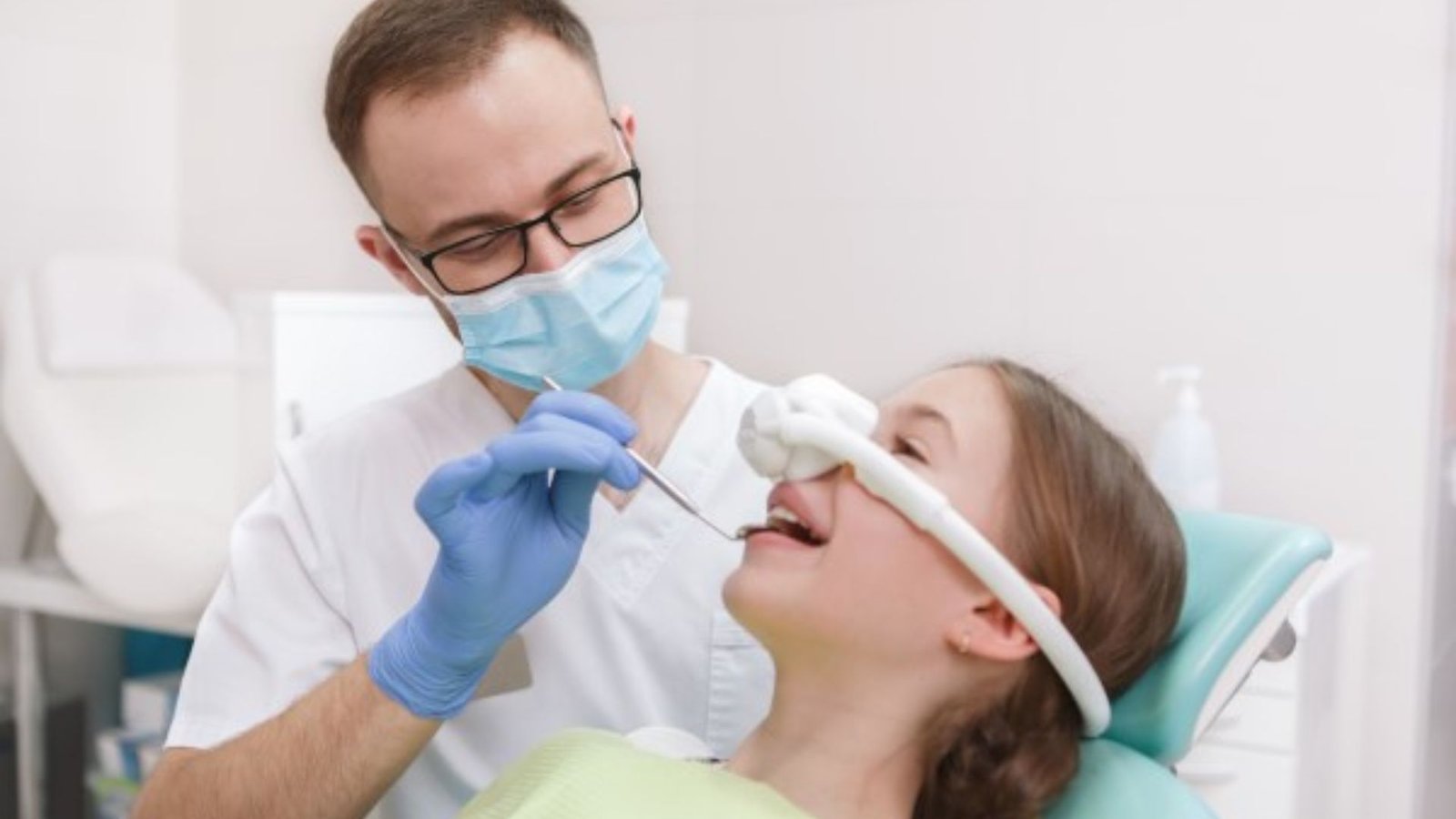
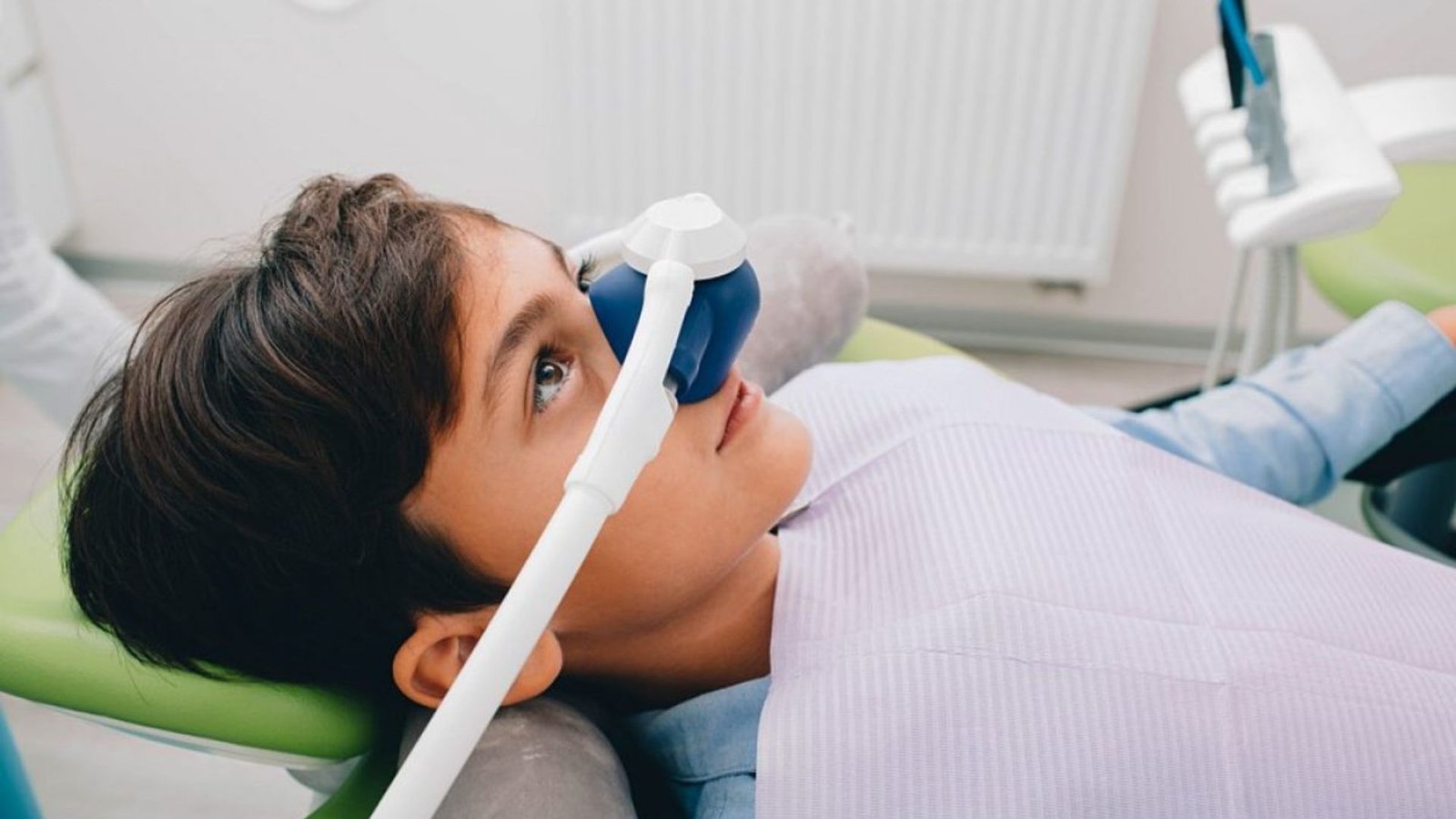
    • Nitrous Oxide (Laughing Gas): This is the most common form of sedation. It’s mild and helps you relax without putting you to sleep. You remain fully awake but feel calm and at ease.
    • Oral Sedation: You take a sedative pill before your appointment. It’s stronger than nitrous oxide and may make you feel drowsy or sleepy during the procedure, but you will still be awake.
    • IV Sedation: A stronger form of sedation delivered through an IV. This allows the dentist to adjust the level of sedation during the procedure. You may be awake but feel relaxed and may not remember much of the procedure afterward.
    • General Anesthesia: For more serious procedures or patients with severe anxiety, general anesthesia may be used. It puts you completely to sleep during the treatment.

    Why Choose Sedation Dentistry?

    There are several reasons why dentists offering sedation options for anxiety can make a significant difference in your dental experience:

    1. Reduces Anxiety: Sedation helps calm nervous patients, making it easier to go through necessary treatments without fear.
    2. Pain Management: Sedation can also help manage pain and discomfort, ensuring you are not in distress during the procedure.
    3. Increased Comfort: For people with sensitive teeth or those undergoing lengthy procedures, sedation makes the experience more tolerable.
    4. Improved Cooperation: With reduced anxiety, patients are more likely to cooperate and allow the dentist to complete the necessary treatments without any issues.
    5. Faster Procedures: Sedation allows the dentist to complete the treatment more efficiently because you remain relaxed and still.

    How to Find Dentists Offering Sedation Options for Anxiety

    If you’re looking for dentists offering sedation options for anxiety, here’s how to find the right one for you:

    1. Research Local Dentists

    Start by searching for dentists in your area who offer sedation options. You can look for terms like “sedation dentistry,” “dentists specializing in anxiety,” or “dentists offering laughing gas” in online directories or search engines.

    2. Ask About Sedation Services

    Once you’ve found a few potential dentists, give them a call and ask if they provide sedation dentistry. It’s important to find a dentist who is experienced with sedation techniques and can recommend the best option based on your needs. Be sure to inquire about the types of sedation they offer and how they can help manage your anxiety during dental visits.

    3. Check Online Reviews

    Look at online reviews to see if other patients have had positive experiences with sedation dentistry at that practice. Reading reviews from people with similar anxiety can help you gauge how well the dentist handles anxious patients.

    4. Consult With the Dentist

    Schedule a consultation with the dentist to discuss your anxiety and sedation options. During the consultation, ask about the specific sedation options they offer, how they are administered, and what you can expect during your appointment. A good dentist will take the time to explain your options and make sure you feel comfortable.

    5. Consider Specialization in Sedation Dentistry

    Some dentists specialize in sedation dentistry and are particularly experienced in working with patients who have dental anxiety. Look for a dentist who has specific training in sedation techniques and who is committed to making your dental visit as stress-free as possible.

    6. Insurance and Cost

    Sedation dentistry may not always be covered by insurance, so it’s a good idea to check with the office beforehand. Some insurance plans may cover sedation if it’s deemed medically necessary, while others may only cover basic treatments like laughing gas. Ask about the costs of sedation options and whether payment plans or financing are available.

    Benefits of Sedation Dentistry for Anxiety

    Choosing dentists offering sedation options for anxiety offers several benefits for patients:

    1. Less Stress: The primary benefit of sedation is that it helps you feel calm and relaxed, making dental visits less stressful.
    2. No Pain: Sedation can make dental treatments virtually pain-free, making it a great option for people who experience discomfort or have sensitive teeth.
    3. Time-Saving: For patients who need multiple treatments, sedation can make long appointments more comfortable and allow the dentist to complete more work in one visit.
    4. Better Oral Health: When patients feel more comfortable, they are more likely to attend regular check-ups and undergo necessary treatments, improving their overall oral health.
    5. Improved Patient Experience: With sedation, you may not even remember the procedure, which can make future visits less anxiety-inducing.

    Conclusion

    If you suffer from dental anxiety, dentists offering sedation options for anxiety can provide the relief you need to make your dental visits easier and more comfortable. With options ranging from mild laughing gas to deep sedation, you can choose the level of relaxation that works best for you.

    Start your search today by looking for dentists who offer sedation services and take the first step toward a more relaxed and positive dental experience. With the right sedation options, dental visits can be something to look forward to, not fear!