Category: Dental Implants

  • What to Expect During a Wisdom Tooth Extraction

    What to Expect During a Wisdom Tooth Extraction

    If you’ve been told you need to have your wisdom teeth removed, you may feel a bit anxious about the procedure. Wisdom tooth extraction is a routine dental surgery, but knowing what to expect can help ease your nerves. In this post, we’ll break down the process, from preparation to recovery, so you know exactly what happens during a wisdom tooth extraction.

    What to Expect During a Wisdom Tooth Extraction
    What to Expect During a Wisdom Tooth Extraction

    1. Pre-Extraction Consultation and Preparation

    Before your wisdom tooth extraction, your dentist or oral surgeon will conduct a thorough examination to determine the best approach for the surgery. During the consultation, your dentist will review your medical history and any medications you’re taking to ensure that the procedure is safe for you.

    Steps Before Surgery:

    • X-Rays: Your dentist will likely take X-rays of your mouth to assess the position and alignment of your wisdom teeth. These images help the surgeon plan the extraction.
    • Sedation Options: Depending on your anxiety level and the complexity of the extraction, you may be given local anesthesia (numbing the area), sedation (to relax you), or general anesthesia (to put you to sleep during the procedure).

    Why This Is Important:

    • Clear Expectations: Understanding what will happen during the procedure allows you to feel more confident and informed.

    2. During the Wisdom Tooth Extraction

    On the day of your surgery, you will be taken to the operating room, where your dentist or oral surgeon will administer the appropriate sedation. The procedure itself typically takes between 30 minutes to an hour, depending on the complexity of your case.

    What Happens During the Surgery:

    • Anesthesia: The dentist will begin by numbing the area around your wisdom teeth, or if you’re under general anesthesia, you will be put to sleep. This ensures you won’t feel pain during the procedure.
    • Incision and Removal: The surgeon will make small incisions in your gum to access the tooth. If the tooth is impacted (stuck under the gum), the surgeon may need to remove some bone or break the tooth into smaller pieces for easier extraction.
    • Stitches: Once the tooth is removed, the surgeon may use stitches to close the gum tissue. Some stitches dissolve on their own, while others may need to be removed during a follow-up visit.

    Why This Is Important:

    • Procedure Details: Knowing that the procedure is relatively quick and performed under anesthesia can help you relax. You won’t feel any pain during the surgery.

    3. After the Extraction: Recovery and Care

    After the wisdom tooth extraction, your recovery will begin. You may feel a bit groggy from the anesthesia, but you’ll be monitored closely as the effects wear off. Here’s what to expect in the hours and days following the surgery:

    Immediate Post-Surgery Care:

    • Pain Management: Once the anesthesia wears off, you may experience some discomfort. Your dentist will likely prescribe pain medications to help manage pain and swelling.
    • Bleeding: Some bleeding is normal right after the extraction. You may need to bite down on gauze to help stop the bleeding, but it should subside within a few hours.
    • Swelling and Bruising: Swelling in your face and jaw is common and can last 2-3 days. Applying an ice pack to your face in the first 24 hours can help reduce swelling.
    • Rest: Resting is crucial after the surgery. Take it easy for the first few days and avoid strenuous activities.

    Why This Is Important:

    • Proper Healing: Proper care after surgery is essential to ensure proper healing and reduce the risk of complications, like infection or dry socket.

    4. Potential Risks and Complications

    While wisdom tooth extraction is a safe and common procedure, there are some risks involved, though they are rare. It’s important to be aware of these risks so you can take steps to avoid complications during recovery.

    Possible Complications:

    • Dry Socket: This occurs if the blood clot that forms in the empty tooth socket is dislodged or dissolves prematurely, causing intense pain. To prevent dry socket, avoid smoking, drinking through straws, and excessive rinsing after surgery.
    • Infection: While rare, infections can happen. Signs of infection include increased pain, swelling, fever, or pus at the incision site.
    • Nerve Damage: In rare cases, the nerves near the wisdom teeth can be affected, leading to temporary numbness or tingling in the lips, tongue, or chin. This usually resolves over time.

    Why This Is Important:

    • Awareness and Prevention: Knowing about potential complications helps you take precautions and seek help quickly if any issues arise.

    5. Long-Term Care and Follow-Up

    As you continue healing, there are a few more steps to ensure a smooth recovery. You’ll need to schedule a follow-up appointment with your dentist or oral surgeon to ensure your gums are healing properly and that no complications have developed.

    Long-Term Care:

    • Diet: Stick to soft foods for the first few days, such as yogurt, soup, and mashed potatoes. Avoid hard, crunchy, or spicy foods that can irritate the extraction site.
    • Oral Hygiene: Continue brushing your teeth but avoid the surgical site for the first few days. Your dentist may recommend a saltwater rinse to help keep the area clean.
    • Follow-Up Appointment: Your dentist will likely schedule a follow-up visit to check your healing progress and remove any non-dissolving stitches if necessary.

    Why This Is Important:

    • Full Recovery: Following the long-term care instructions and attending follow-up appointments ensures that your wisdom teeth extraction heals without issues.

    Conclusion

    A wisdom tooth extraction is a routine procedure that can be done safely with proper preparation and care. Understanding what to expect before, during, and after the surgery can help ease any anxiety and ensure a smooth recovery. By following your dentist’s instructions for care and being aware of potential risks, you can enjoy a quick and complication-free recovery.


  • Dental Implant Procedure: Step-by-Step Guide

    Dental Implant Procedure: Step-by-Step Guide

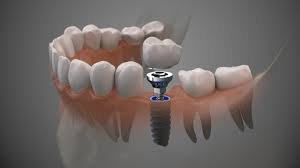
    Dental implants have become one of the most popular solutions for replacing missing or damaged teeth. Unlike bridges or dentures, implants provide a permanent and natural-looking solution. However, the process of getting a dental implant involves several steps. In this post, we will walk you through the dental implant procedure, so you know exactly what to expect at each stage.

    Dental Implant Procedure: Step-by-Step Guide
    Dental Implant Procedure: Step-by-Step Guide

    1. Initial Consultation and Evaluation

    The first step in the dental implant process is the initial consultation. During this visit, your dentist will thoroughly examine your oral health to determine if dental implants are the right choice for you.

    What Happens During the Consultation:

    • Medical History Review: Your dentist will ask about your overall health and any medical conditions that could affect the implant procedure, such as diabetes or heart disease.
    • Imaging and X-rays: Your dentist will take X-rays and possibly a 3D scan of your mouth and jaw to assess the quality and quantity of your bone. This is essential for determining if you have enough bone to support the implant.
    • Treatment Plan: Based on the evaluation, your dentist will develop a personalized treatment plan, including the number of implants needed and the overall timeline.

    Why This Step is Important:

    • Eligibility Check: The consultation helps your dentist determine whether you’re a good candidate for implants or if additional treatments (like bone grafting) are necessary.
    • Clear Expectations: This is your opportunity to ask any questions and understand the entire process, including timeframes and costs.

    2. Placement of the Dental Implant

    Once your dentist has assessed your readiness for implants, the next step is the actual placement of the titanium post (the dental implant). This is a surgical procedure that requires local anesthesia to numb the area.

    What Happens During Implant Placement:

    • Incision in the Gum: To access the jawbone, your dentist will make a small incision in the gum tissue.
    • Drilling the Hole: A small hole is then drilled into the jawbone where the implant will be placed.
    • Insertion of the Implant Post: The titanium post, which acts as the root of the new tooth, is screwed into the hole in the jawbone.
    • Closing the Incision: After the implant is in place, your dentist will stitch the gum tissue back together. In some cases, a temporary crown may be placed while the implant heals.

    Why This Step is Important:

    • Osseointegration: The titanium implant needs to fuse with the jawbone in a process called osseointegration, which can take several months. This fusion ensures the implant is strong and stable enough to support a permanent crown.

    3. Healing and Osseointegration

    After the implant post is placed, the next phase is healing. This is when the implant fuses with the jawbone, making it a stable foundation for the new tooth. Osseointegration is a critical part of the process and typically takes 3 to 6 months.

    What Happens During Healing:

    • Bone Integration: Over time, the jawbone grows around the titanium post, securely bonding the implant to the bone.
    • Post-Surgical Care: During this period, you may be prescribed pain medication to manage any discomfort. Your dentist will also provide instructions on caring for your gums and implant site to prevent infection.

    Why This Step is Important:

    • Implant Stability: Successful osseointegration is key to ensuring that your dental implant lasts for years and functions like a natural tooth.
    • Patient Comfort: Proper healing during this phase ensures that you’re comfortable and ready for the next steps.

    4. Abutment Placement

    Once the implant has fused with the bone, the next step is the placement of the abutment, a small connector that will hold the final crown. This procedure may be done in one or two visits, depending on your specific case.

    What Happens During Abutment Placement:

    • Gum Tissue Incision: If the gum tissue has healed completely, your dentist will make a small incision to expose the implant post.
    • Attaching the Abutment: The abutment is then attached to the titanium post, and the gum tissue is stitched back around the abutment.
    • Healing Period: After the abutment is placed, you will need a short healing period to allow the gums to adapt to the new component.

    Why This Step is Important:

    • Foundation for the Crown: The abutment serves as the connection between the implant and the final crown, making it a crucial part of the process.
    • Comfort and Fit: The abutment ensures that your final crown will be properly aligned and comfortable.

    5. Placement of the Final Restoration (Crown)

    After the abutment has healed and your gums have adjusted, the final step is placing the crown, which is the visible part of the implant. The crown is custom-made to match the shape, size, and color of your natural teeth.

    What Happens During Crown Placement:

    • Impressions: Your dentist will take impressions of your mouth to create a crown that fits perfectly with the surrounding teeth.
    • Fitting the Crown: Once your custom crown is ready, your dentist will fit it onto the abutment and ensure it aligns properly with your bite.
    • Securing the Crown: The crown is then securely attached to the abutment, and any adjustments needed will be made to ensure a comfortable and natural fit.

    Why This Step is Important:

    • Restoring Function and Appearance: The crown restores the function and appearance of your missing tooth, making it look and feel like a natural part of your smile.
    • Final Aesthetic Touch: The final restoration ensures that your dental implant blends seamlessly with your other teeth, giving you a confident, beautiful smile.

    Conclusion

    The dental implant procedure is a multi-step process that typically spans several months, but the result is a long-lasting and natural solution for missing teeth. From the initial consultation to the final crown placement, each step plays a vital role in ensuring the success of your dental implant. While the process requires patience, the benefits of dental implants – including improved appearance, comfort, and function – make it a worthwhile investment. If you’re considering dental implants, consult with your dentist to discuss your options and develop a treatment plan tailored to your needs.


  • Best Dental Implant Options For Seniors

    Best Dental Implant Options For Seniors

    As we age, oral health can become more challenging, especially when it comes to missing teeth. Fortunately, dental implants offer seniors a reliable, long-lasting solution for restoring their smiles and improving their quality of life. Whether you are missing one tooth or multiple teeth, dental implants can provide a secure and natural-looking solution. In this guide, we will explore the best dental implant options for seniors, helping you make an informed decision about restoring your smile.

    Best Dental Implants Options For Seniors
    Best Dental Implants Options For Seniors

    1. Single Tooth Dental Implants for Seniors

    If you are a senior missing a single tooth, single-tooth dental implants are an excellent option. A dental implant involves placing a titanium post into the jawbone, which acts as a replacement for the tooth root. Once the implant fuses with the bone, a custom-made crown is placed on top, completing the restoration.

    Key Benefits:

    • Natural Look and Feel: The custom crown matches the appearance of your natural teeth, making the implant virtually indistinguishable.
    • Preserve Adjacent Teeth: Unlike bridges, a single dental implant does not require altering nearby teeth, preserving their health.
    • Long-Term Solution: With proper care, a single tooth implant can last a lifetime.

    Best for: Seniors who are missing one tooth and want a permanent, natural-looking restoration without affecting surrounding teeth.

    2. Implant-Supported Bridges for Multiple Missing Teeth

    If you are missing several teeth in a row, implant-supported bridges are a fantastic solution. Instead of relying on adjacent natural teeth to support the bridge, dental implants are placed to secure the bridge, providing stability and durability.

    Key Benefits:

    • Enhanced Stability: The implants prevent the bridge from shifting or becoming loose, offering a more secure fit than traditional bridges.
    • Prevents Teeth from Shifting: Implant-supported bridges prevent surrounding teeth from drifting into the gaps, maintaining proper alignment.
    • Durable and Long-Lasting: Implant-supported bridges can last many years, providing a lasting solution for multiple missing teeth.

    Best for: Seniors missing multiple adjacent teeth and looking for a secure, stable, and long-lasting restoration.

    3. All-on-4 Dental Implants for Full Mouth Restoration

    The All-on-4 dental implant system is one of the most popular options for seniors who are missing most or all of their teeth. This system uses four strategically placed implants to support a full arch of replacement teeth, providing a functional and aesthetic solution.

    Key Benefits:

    • Full Arch Restoration: All-on-4 implants replace an entire upper or lower arch of teeth, giving you a complete smile in just one procedure.
    • Less Invasive: Unlike traditional implants, All-on-4 requires fewer implants, making the procedure less invasive with a faster recovery time.
    • Improved Functionality and Comfort: Unlike removable dentures, All-on-4 implants are fixed in place, offering greater stability for eating, speaking, and smiling.

    Best for: Seniors who need a full set of teeth restored, either on the upper or lower jaw, and want a fixed, comfortable solution.

    4. Implant-Supported Dentures for Added Stability

    For seniors who have lost most of their teeth but still want the comfort of dentures, implant-supported dentures offer superior stability. These dentures are anchored by dental implants, preventing them from shifting or slipping during daily activities.

    Key Benefits:

    • Better Comfort and Fit: Implant-supported dentures eliminate the discomfort and slippage common with traditional removable dentures.
    • Improved Function: With implants providing support, you can enjoy better chewing and speaking ability without worrying about your dentures shifting.
    • No Adhesives Needed: Unlike traditional dentures, you won’t need messy adhesives to keep your dentures in place.

    Best for: Seniors who need full dentures but want a more stable, comfortable solution that won’t shift or require adhesives.

    5. Mini Dental Implants for Limited Space

    Mini dental implants are a great option for seniors who may not have enough bone density for traditional implants. These smaller implants are often used to stabilize dentures or replace smaller teeth. They are also less invasive and can be placed in less time than traditional implants.

    Key Benefits:

    • Less Invasive: Mini implants require less bone structure and a simpler procedure, reducing recovery time.
    • More Affordable: Mini implants are typically less expensive than traditional implants, offering an affordable option for seniors.
    • Ideal for Stabilizing Dentures: Mini implants are often used to stabilize lower dentures, providing more comfort and security.

    Best for: Seniors with limited bone density or those looking for an affordable and less invasive implant option.

    6. Zirconia Implants for a Natural, Metal-Free Option

    For seniors who prefer a metal-free dental implant, zirconia implants are an excellent choice. These implants are made from a strong, biocompatible ceramic material that provides a natural look and feel while being free from metal components.

    Key Benefits:

    • Aesthetic and Biocompatible: Zirconia implants are a great option for seniors with metal sensitivities or those looking for a more natural appearance.
    • Durable: Zirconia is strong and durable, offering a long-lasting solution for tooth replacement.
    • Metal-Free: Ideal for seniors who want to avoid metal implants for health or aesthetic reasons.

    Best for: Seniors who want a metal-free implant that looks and functions like natural teeth.

    7. Bone Grafting for Seniors with Bone Loss

    In cases where seniors have experienced significant bone loss due to missing teeth, bone grafting may be necessary to create enough bone for a successful dental implant. This procedure involves adding bone material to the jaw to support the implant.

    Key Benefits:

    • Prepares the Jaw for Implants: Bone grafting restores the jawbone, allowing implants to be placed with greater stability and success.
    • Improved Success Rates: Bone grafting increases the likelihood of implant success in patients with insufficient bone.
    • Prevents Further Bone Loss: Bone grafting helps prevent further deterioration of the jawbone.

    Best for: Seniors who have experienced bone loss and need bone grafting to support dental implants.

    Conclusion

    Dental implants offer seniors a wide range of solutions for restoring their smiles and improving their oral health. Whether you need a single tooth implant, a full mouth restoration with All-on-4, or implant-supported dentures, there is a dental implant option that can meet your needs. By working with your dentist, you can determine the best implant solution based on your health, budget, and lifestyle.

  • The Lifespan of Dental Implants: What to Expect

    The Lifespan of Dental Implants: What to Expect

    Dental implants are a long-term solution for replacing missing teeth, offering a natural look and feel. One of the main benefits of implants is their longevity compared to other options like dentures or bridges. However, just like any medical procedure, they come with their own set of expectations regarding lifespan and maintenance. In this post, we’ll explore what you can expect in terms of the lifespan of dental implants, factors that influence their durability, and how to ensure they last as long as possible.

    The Lifespan of Dental Implants: What to Expect
    The Lifespan of Dental Implants: What to Expect

    1. The Typical Lifespan of Dental Implants

    Dental implants are known for their remarkable durability. On average, dental implants can last anywhere from 20 to 25 years, and many last even longer with proper care. The titanium post that fuses with your jawbone is designed to be permanent, while the crown or restoration on top may require replacement over time due to wear and tear.

    What Affects the Lifespan:

    • Material Quality: The titanium used for implants is highly durable and resistant to corrosion, contributing to its long lifespan.
    • Maintenance: Good oral hygiene and regular dental visits can help maintain the integrity of your implants and the surrounding bone structure.

    When to Expect Wear:

    • Implant Post: The titanium post itself can last a lifetime if the surrounding bone remains healthy.
    • Restoration/Crown: The crown or bridge placed on top of the implant may need replacement after 10 to 15 years due to natural wear.

    2. Factors That Influence Implant Longevity

    While dental implants are known for their long-lasting nature, several factors can influence how long they will last. These include your overall health, oral hygiene habits, and lifestyle choices. Let’s break down the key factors.

    Oral Hygiene and Care:

    • Regular Brushing and Flossing: Daily brushing and flossing are crucial for keeping the implant area clean and free of plaque buildup. Neglecting oral hygiene can lead to infections or gum disease, which may compromise the implant.
    • Professional Cleanings: Regular dental checkups and cleanings help ensure that the implant and surrounding gums are in good condition.

    Bone Health:

    • Jawbone Density: The strength and health of your jawbone are vital for the long-term stability of the implant. Adequate bone density allows the implant to fuse properly with the bone in a process called osseointegration. If the bone weakens over time, the implant may become loose.
    • Bone Loss Prevention: Regular visits to your dentist can help catch any bone loss early, allowing for preventive treatments such as bone grafting.

    Lifestyle Choices:

    • Avoid Smoking: Smoking can significantly reduce the chances of successful osseointegration and increase the risk of gum disease and infection, all of which can impact the longevity of your implants.
    • Avoid Excessive Force: Habitual teeth grinding (bruxism) or chewing on hard objects can put unnecessary strain on your implants and the surrounding teeth.

    3. How to Extend the Lifespan of Your Dental Implants

    Taking proactive steps to care for your dental implants can help you maximize their lifespan. Here are some tips for keeping your implants in excellent condition:

    Practice Excellent Oral Hygiene:

    • Brush Regularly: Brush your teeth at least twice a day using a soft-bristled toothbrush and non-abrasive toothpaste. Make sure to clean around the implant and the crown to prevent plaque buildup.
    • Floss Daily: Flossing helps remove food particles and plaque from between the teeth and implants, where a toothbrush may not reach.
    • Use Mouthwash: Consider using an antimicrobial mouthwash to help prevent gum infection around the implant area.

    Attend Regular Dental Checkups:

    • Routine Examinations: Regular dental visits allow your dentist to monitor the condition of your implants, gums, and bone health. They will check for any signs of infection, loosening, or wear.
    • Professional Cleanings: In addition to regular checkups, professional cleanings ensure that your implants remain free of plaque and tartar buildup.

    Consider a Night Guard:

    • Prevent Teeth Grinding: If you grind your teeth at night, your dentist may recommend wearing a night guard. This device protects your implants and natural teeth from excessive pressure that can cause damage.

    4. When to Replace Implant Restorations

    While the titanium post of a dental implant is designed to last a lifetime, the crown or bridge on top may require replacement after some time. Factors like chewing pressure, diet, and overall wear and tear can cause the crown to degrade. On average, implant restorations last 10 to 15 years, but with proper care, they may last even longer.

    Signs Your Implant Restoration Needs Replacement:

    • Cracks or Chips: If your crown is cracked, chipped, or broken, it may need to be replaced to maintain proper function and aesthetics.
    • Loose Crown: A crown that feels loose or shifts may require adjustment or replacement to ensure the implant remains securely in place.
    • Wear and Discoloration: Over time, a crown may show signs of discoloration or wear, which may be a signal that it needs replacement.

    How to Replace a Restoration:

    • Consult Your Dentist: Your dentist will evaluate the condition of your implant and restoration, and if necessary, will take impressions to create a new crown or bridge that fits perfectly.
    • Avoid Delay: Replacing a damaged or worn crown promptly helps prevent further complications, such as implant failure or discomfort.

    5. Potential Risks to Implant Longevity

    Although dental implants are designed to last for many years, certain factors can contribute to complications. Common risks to the longevity of dental implants include:

    Infection or Peri-implantitis:

    • What It Is: Peri-implantitis is an infection of the tissues surrounding the implant, which can lead to bone loss and implant failure if not treated promptly.
    • Prevention: Proper oral hygiene and regular dental visits are essential for preventing infections around your implant.

    Implant Failure:

    • Possible Causes: Implant failure can occur due to poor osseointegration, infection, or excessive force applied to the implant.
    • Solution: If an implant fails, it may need to be removed and replaced. Your dentist will guide you through this process.

    Conclusion

    Dental implants are an excellent long-term solution for tooth replacement, with a lifespan that can last 20 years or more with proper care. By practicing good oral hygiene, attending regular checkups, and taking precautions to protect your implants, you can ensure they last as long as possible. Although the titanium post itself can last a lifetime, the restoration may need replacement every 10 to 15 years. As with any dental treatment, it’s important to be proactive in caring for your implants to ensure they remain functional, healthy, and aesthetically pleasing for years to come.

  • Benefits Of Dental Implants For Missing Teeth

    Benefits Of Dental Implants For Missing Teeth

    Losing a tooth can be a challenging experience, affecting both your appearance and confidence. Fortunately, dental implants offer a highly effective and permanent solution for missing teeth. Dental implants are designed to replace missing teeth with a natural-looking alternative that mimics the function and appearance of real teeth. In this article, we’ll explore the many benefits of dental implants and why they are considered one of the best options for replacing missing teeth.

    Benefits Of Dental Implants For Missing Teeth
    Benefits Of Dental Implants For Missing Teeth

    1. Permanent and Durable Solution

    One of the biggest advantages of dental implants is their durability. Unlike dentures or bridges, which may need to be replaced every few years, dental implants are designed to last a lifetime with proper care. The titanium implant post is placed into the jawbone, where it fuses with the bone over time in a process called osseointegration. This creates a strong, stable foundation for the replacement tooth, making dental implants a permanent solution for missing teeth.

    Benefit: Dental implants are built to last, providing a long-term solution for tooth loss.

    2. Natural-Looking and Comfortable

    Dental implants are designed to look, feel, and function just like your natural teeth. The crown placed on top of the implant is custom-made to match the size, shape, and color of your surrounding teeth. Because the implant is securely anchored into the jawbone, it feels just like a natural tooth when you chew, speak, and smile. There are no concerns about slipping or discomfort, as can happen with dentures.

    Benefit: Dental implants offer a realistic, comfortable alternative to missing teeth.

    3. Improved Oral Health

    Unlike traditional bridges, which require the surrounding teeth to be altered, dental implants don’t affect neighboring teeth. The implant is placed directly into the jawbone, leaving adjacent teeth untouched. This preserves the integrity of your natural teeth and gums. Additionally, dental implants help maintain bone density in the jaw, preventing bone loss that typically occurs after losing a tooth.

    Benefit: Dental implants preserve the health of your natural teeth and help maintain jawbone structure.

    4. Restored Functionality

    Missing teeth can make it difficult to eat and speak properly. Chewing food and speaking clearly may become challenging if you have gaps in your smile. Dental implants restore full functionality, allowing you to eat all the foods you enjoy and speak without worry. Since implants are securely anchored, you don’t have to worry about them slipping or shifting, providing a stable and reliable solution for improved function.

    Benefit: Dental implants restore your ability to eat, speak, and smile confidently.

    5. Improved Confidence and Self-Esteem

    A missing tooth can significantly impact your appearance, causing embarrassment or self-consciousness. Dental implants offer a permanent and natural-looking solution that can enhance your smile and improve your self-esteem. With implants, you’ll feel confident showing your teeth, whether you’re smiling, laughing, or speaking. The ability to enjoy social interactions without worrying about your teeth can lead to a more fulfilling and positive life.

    Benefit: Dental implants improve your appearance and boost your confidence.

    6. No Need for Special Maintenance

    Dental implants are easy to care for and require no special maintenance. Just like natural teeth, they can be brushed and flossed regularly. There’s no need to remove them at night, as you would with dentures. Simply follow your normal oral hygiene routine, including regular dental checkups, and your implants will stay in great condition.

    Benefit: Dental implants are low-maintenance and easy to care for, just like your natural teeth.

    7. Prevention of Teeth Shifting

    When a tooth is lost, the surrounding teeth can start to shift into a space. This can cause misalignment, bite issues, and even further tooth loss over time. By filling the gap with a dental implant, you prevent this shifting and maintain the proper alignment of your remaining teeth. This helps protect the overall health and stability of your smile.

    Benefit: Dental implants prevent surrounding teeth from shifting and maintain proper alignment.

    8. Better Speech

    Missing teeth can affect your speech, especially if you’re missing front teeth. The gap may cause you to slur your words or have difficulty pronouncing certain sounds. Dental implants restore your ability to speak clearly and confidently, as they function like natural teeth and don’t shift or move.

    Benefit: Dental implants improve speech by restoring the function and structure of your teeth.

    9. Prevention of Bone Loss

    When a tooth is lost, the bone beneath it can begin to deteriorate due to lack of stimulation. Over time, this bone loss can lead to changes in the shape of your face and further tooth loss. Dental implants help prevent this by providing the necessary stimulation to the jawbone, just like natural tooth roots. This helps maintain bone density and prevents the bone from deteriorating.

    Benefit: Dental implants prevent bone loss and help maintain your jaw’s structure.

    10. Customizable to Your Needs

    Dental implants can be customized to meet your specific needs. Whether you’re replacing a single tooth, several teeth, or even a full arch of teeth, there are implant solutions available for every situation. Implants can also be used to support dentures or bridges, providing a more secure and stable fit.

    Benefit: Dental implants offer flexibility and can be customized to fit your individual needs.

    Conclusion

    Dental implants are a highly effective, long-lasting solution for replacing missing teeth. They provide numerous benefits, including improved oral health, restored functionality, enhanced appearance, and increased confidence. If you’re considering dental implants, consult with your dentist to determine if they’re the right option for you. With their durability and natural look, dental implants can help you regain your smile and enjoy life without worrying about missing teeth.

  • Who is a Good Candidate for Dental Implants?

    Who is a Good Candidate for Dental Implants?

    Dental implants are a popular and effective solution for replacing missing or damaged teeth. Unlike dentures or bridges, implants provide a permanent, natural-looking solution that restores both function and appearance. However, not everyone is a good candidate for dental implants. Several factors, including overall health, bone density, and oral hygiene, play a role in determining whether dental implants are a suitable option for you. In this post, we’ll explore who makes a good candidate for dental implants and what factors influence this decision.

    Who is a Good Candidate for Dental Implants?
    Who is a Good Candidate for Dental Implants?

    1. Healthy Gums and Teeth

    A key requirement for getting dental implants is having healthy gums and teeth. Your gums should be free of infection, and you should be in good overall oral health. If you have untreated gum disease or other oral health problems, you may need to address these issues before you can proceed with dental implants.

    Why Healthy Gums Are Important:

    • Infection Prevention: Healthy gums provide a strong foundation for the implant and help protect it from infection.
    • Stability: The success of dental implants depends on the ability of the gums to support the implant post and keep it stable.

    Treatment Before Implants:

    • Treat Gum Disease: If you have gum disease, your dentist may recommend a treatment plan to get your gums healthy before proceeding with implants.
    • Root Canal or Fillings: For those with damaged or infected teeth, treating any existing issues is necessary for implant success.

    2. Adequate Jawbone Density

    For dental implants to be successful, you need enough healthy jawbone to support the implant. The titanium post of the implant must fuse with the bone in a process known as osseointegration. If your jawbone has deteriorated due to tooth loss, gum disease, or other factors, you may need a bone graft before receiving dental implants.

    Why Jawbone Density Matters:

    • Implant Stability: A solid, dense jawbone is essential for the implant to stay securely in place.
    • Fusion Process: The fusion of the implant with the bone, known as osseointegration, requires sufficient bone to form a stable foundation.

    Treatment for Low Bone Density:

    • Bone Grafting: If your jawbone is insufficient, your dentist may recommend a bone graft procedure to build up the bone before placing the implant.
    • Sinus Lift: For the upper jaw, a sinus lift can be performed to raise the sinus floor and allow for more bone volume.

    3. Non-Smoking Individuals

    Smoking can significantly impact the success of dental implants. The chemicals in tobacco can interfere with the healing process, increase the risk of infection, and prevent proper osseointegration. For this reason, smokers are generally not ideal candidates for dental implants.

    Why Smoking Affects Implant Success:

    • Delayed Healing: Smoking slows down the body’s healing process, which can prevent the implant from fusing with the jawbone.
    • Increased Infection Risk: Smoking can increase the risk of gum disease and other oral infections, which can compromise the implant’s success.

    Smoking Cessation:

    • Quit Smoking: If you smoke, quitting before undergoing dental implant surgery can increase the likelihood of success.
    • Consult Your Dentist: If you’re a smoker, discuss the potential risks with your dentist. They may provide additional recommendations to help improve your chances of success.

    4. Overall Good Health

    Good overall health is an essential factor in being a good candidate for dental implants. Conditions such as uncontrolled diabetes, heart disease, or immune system disorders can affect the healing process and increase the risk of complications. Your dentist will review your medical history to determine if any pre-existing health conditions could interfere with the implant procedure.

    Health Conditions to Consider:

    • Diabetes: Uncontrolled diabetes can impair the body’s ability to heal and fight infections, which can affect implant success.
    • Heart Disease: Some heart conditions may require special considerations, especially if you’re taking medications that thin the blood or affect healing.
    • Immune System Disorders: A compromised immune system can interfere with healing, making dental implants more risky.

    Health Management:

    • Medical Evaluation: Before proceeding with dental implants, work with your dentist and healthcare provider to ensure your medical conditions are under control.
    • Customized Treatment Plan: Your dentist may suggest additional precautions or treatments to minimize risk if you have underlying health issues.

    5. Good Oral Hygiene Habits

    Maintaining excellent oral hygiene is essential for the long-term success of dental implants. Good brushing, flossing, and regular dental checkups help prevent gum disease and ensure that the implant area remains healthy.

    Why Oral Hygiene Is Crucial:

    • Prevents Infection: Maintaining clean teeth and gums helps reduce the risk of infection around the implant.
    • Long-Term Success: Proper care of your dental implants can help them last a lifetime, while neglecting oral hygiene can lead to complications.

    Oral Hygiene Tips:

    • Brush Twice a Day: Use a soft-bristled toothbrush to clean your implants and natural teeth.
    • Floss Daily: Flossing helps remove food particles and plaque from between your teeth and around your implant.
    • Regular Dental Visits: Visit your dentist regularly for checkups and professional cleanings to ensure the health of your implants and surrounding tissues.

    6. Realistic Expectations

    Finally, having realistic expectations is key to being a good candidate for dental implants. Dental implants are a highly effective solution for missing teeth, but the procedure requires a commitment to proper care and maintenance. Understanding the process, potential risks, and the time it takes to heal will help ensure a positive outcome.

    What to Expect:

    • Multiple Appointments: The dental implant process may require multiple visits, including surgery, healing time, and follow-up care.
    • Healing Time: The osseointegration process can take several months, during which time you may need to follow specific aftercare instructions.

    Discuss Expectations with Your Dentist:

    • Clear Communication: Be sure to discuss your expectations, questions, and concerns with your dentist to ensure the procedure is right for you.
    • Long-Term Commitment: Dental implants require ongoing care and attention, so make sure you are prepared for the commitment.

    Conclusion

    Dental implants are an excellent option for many people who are missing one or more teeth. The ideal candidate for dental implants is in good overall health, has healthy gums, sufficient jawbone density, and practices good oral hygiene. If you smoke, have a medical condition, or are unsure whether you are a good candidate, it’s essential to consult with your dentist to determine the best course of action. With proper care and consideration, dental implants can provide a lasting, natural-looking solution to restore your smile.


  • How Much Do Dental Implants Cost

    How Much Do Dental Implants Cost

    Dental implants are a popular and effective solution for replacing missing teeth. They look and function like natural teeth, providing a long-lasting option for people seeking to restore their smiles. However, one common question that arises when considering dental implants is, “How much do they cost?” The price of dental implants can vary depending on several factors, including the number of implants, the type of restoration, and your geographical location. In this article, we’ll explore the costs of dental implants and what influences their price.

    How Much Do Dental Implants Cost
    How Much Do Dental Implants Cost

    What Are Dental Implants?

    Before discussing the cost, it’s important to understand what dental implants are. A dental implant is a titanium post placed into the jawbone to act as an artificial tooth root. Once the implant fuses with the bone, a crown, bridge, or denture is placed on top to restore the appearance and function of the missing tooth. The process is highly effective and offers a permanent solution to tooth loss.

    Average Cost of Dental Implants

    The cost of dental implants typically ranges from $1,500 to $6,000 per tooth. This price can vary widely based on several factors, and here’s a breakdown of the cost range you might encounter:

    • Single Implant with Crown: The cost of a single dental implant, including the implant post and the crown, typically ranges from $3,000 to $4,500. This includes the surgical procedure, anesthesia, and any follow-up care.
    • Implant-Supported Bridge or Denture: If you need more than one tooth replaced, the cost can increase. Implant-supported bridges or dentures (for replacing multiple teeth) can range from $4,000 to $20,000, depending on the number of implants needed.
    • Bone Grafting: Some patients require bone grafting before the implant procedure to ensure there is enough bone in the jaw to support the implant. This additional procedure can cost anywhere from $300 to $3,000, depending on the extent of bone loss.
    • Sinus Lift: If you need a sinus lift (a procedure to lift the sinus cavity to make room for an implant), the cost can range from $1,500 to $5,000.

    Factors That Affect the Cost of Dental Implants

    Several factors influence the cost of dental implants. These include:

    1. Location of the Dentist

    The geographical location of your dentist plays a significant role in the cost of dental implants. Implant procedures in large cities or regions with a higher cost of living may be more expensive. Dentists in rural areas or places with lower living costs may offer more affordable pricing.

    2. The Type of Implant

    The type of dental implant and restoration you choose can also affect the cost. For example, some patients may opt for more advanced or specialized materials, such as zirconia, which can be more expensive than traditional titanium implants. The type of crown (porcelain, ceramic, or metal) will also influence the total price.

    3. The Number of Implants Needed

    If you need multiple implants, the overall cost will increase. The number of implants required depends on how many teeth need to be replaced. For example, a single implant will cost less than a full arch of implants. Additionally, the type of restoration needed for multiple implants (like a bridge or full dentures) will add to the cost.

    4. The Dentist’s Experience and Reputation

    Highly experienced or well-known implant specialists may charge more for their services due to their expertise and the quality of care they provide. More affordable options may be available with less experienced practitioners, but it’s important to weigh the cost against the experience and skill of the dentist.

    5. Additional Procedures

    As mentioned earlier, some patients may require additional procedures like bone grafting or sinus lifts to make the implants viable. These procedures can add significant costs to the overall price.

    Dental Implant Insurance Coverage

    Dental insurance typically does not cover the full cost of dental implants, but some plans may offer partial coverage for certain parts of the procedure, such as the crown or the abutment. It’s a good idea to check with your dental insurance provider to see what’s covered and what isn’t. Some patients choose to finance their implants through payment plans offered by the dental office.

    Payment Options and Financing

    If the cost of dental implants is a concern, many dental offices offer payment plans or financing options. These can help make the procedure more affordable by allowing you to pay in installments. Some practices partner with third-party financing companies, which offer low-interest or no-interest payment plans. Discuss financing options with your dentist to see what works best for your budget.

    Conclusion

    Dental implants are a great investment for those looking to restore their smile and improve their quality of life. While the cost can be significant, the long-term benefits make them a worthwhile option for many patients. On average, dental implants can cost between $1,500 and $6,000 per tooth, but the exact price depends on several factors, including location, type of implant, and the need for additional procedures. It’s important to consult with your dentist to get a personalized estimate based on your unique needs and discuss financing options if needed.

  • The Impact of Smoking on Your Teeth and Gums

    The Impact of Smoking on Your Teeth and Gums

    Smoking is one of the leading causes of poor oral health, affecting both the appearance and function of your teeth and gums. Not only does smoking contribute to a range of oral health problems, but it also complicates treatment and recovery from dental procedures. The harmful chemicals in tobacco smoke can have lasting negative effects on your mouth, leading to staining, gum disease, bad breath, and even tooth loss. Understanding the impact of smoking on your oral health can encourage you to quit or take steps to mitigate the damage.


    How Smoking Damages Your Teeth and Gums

    1. Staining and Discoloration
      One of the most noticeable effects of smoking is stained teeth. Tobacco contains tar and nicotine, which can deeply stain the enamel of your teeth. Over time, these stains become difficult to remove, leaving your teeth yellow or brown. The longer you smoke, the more likely these stains will become permanent, leading to a dull or unhealthy-looking smile.
    2. Increased Plaque and Tartar Buildup
      Smoking impairs the natural process of saliva production, leading to dry mouth (xerostomia). Saliva is crucial for washing away food particles and bacteria, and without enough saliva, plaque and tartar can accumulate more quickly on your teeth and gums. Plaque is a sticky film of bacteria that, if left untreated, hardens into tartar and can lead to tooth decay and gum disease.
    3. Gum Disease (Periodontal Disease)
      Smoking is one of the most significant risk factors for gum disease, which affects the tissues that support your teeth. Smokers are more likely to develop both gingivitis (the early stage of gum disease) and periodontitis (a more severe form that can lead to tooth loss). Smoking decreases blood flow to the gums, weakening the body’s ability to fight off infections and reducing the effectiveness of gum tissue healing.
    4. Bad Breath (Halitosis)
      Smokers often experience persistent bad breath, also known as smoker’s breath. The chemicals in tobacco, combined with dry mouth, create an environment in which bacteria thrive, contributing to foul-smelling breath. Additionally, the smell of tobacco itself can linger in the mouth, further exacerbating bad breath.
    5. Delayed Healing and Increased Infection Risk
      Smoking reduces blood flow, which slows down the healing process in your mouth. If you undergo dental treatments like tooth extractions, gum surgery, or implants, smoking can hinder the recovery process and increase the risk of infection. Smokers often experience more complications after dental procedures than non-smokers, as the healing process is compromised.

    How Smoking Increases the Risk of Tooth Loss

    Gum disease is one of the leading causes of tooth loss, and smoking significantly increases the risk of developing this condition. Smokers are more likely to experience advanced gum disease, which can cause the gums to recede and the bone supporting the teeth to deteriorate. When the bone structure weakens, teeth become loose and may eventually fall out.

    Additionally, smokers often develop pockets between their teeth and gums, where bacteria thrive, further accelerating the destruction of bone and tissue. The combination of weakened gums, bone loss, and poor oral hygiene often leads to tooth loss in smokers.


    How Smoking Affects Your Dental Hygiene Routine

    1. Increased Plaque and Tartar
      Smoking can make it harder to keep your teeth clean, as it increases the buildup of plaque and tartar. Regular brushing and flossing are essential to remove plaque, but smoking makes this more difficult by contributing to sticky residues that cling to the teeth. As a result, smokers may need to be more diligent in their oral care to maintain a healthy mouth.
    2. Diminished Taste and Smell
      Smoking can dull your sense of taste and smell, making it harder to enjoy food and be aware of the condition of your mouth. This may result in less motivation to maintain good oral hygiene or to be aware of the signs of developing dental issues.
    3. Affects Professional Dental Treatments
      Smokers often face challenges with cosmetic dental treatments, such as teeth whitening or implants, due to the long-term staining and reduced healing abilities associated with smoking. Dental professionals may recommend that you quit smoking to ensure the success and longevity of these treatments.
    The Impact of Smoking on Your Teeth and Gums
    The Impact of Smoking on Your Teeth and Gums

    Quitting Smoking for Better Oral Health

    While the effects of smoking on your teeth and gums can be severe, the good news is that quitting smoking can lead to significant improvements in your oral health. Here’s how quitting can help:

    1. Improved Gum Health
      Quitting smoking restores blood flow to the gums, reducing the risk of gum disease. As the body heals, the gums become stronger and more resistant to infection. This can help prevent further damage to your teeth and gums and allow for better overall oral health.
    2. Better Healing After Dental Procedures
      Once you stop smoking, your body’s healing ability improves. This means that if you undergo any dental treatments, such as gum surgery or dental implants, you’ll have a better chance of healing quickly and without complications.
    3. Healthier Teeth and Gums
      Without the harmful effects of tobacco, you can prevent plaque and tartar buildup and reduce the risk of cavities and gum disease. Your teeth will also look cleaner and brighter without the staining from nicotine and tar.
    4. Improved Breath
      Quitting smoking can significantly improve your breath. Without the odor of tobacco and the bacterial buildup in your mouth, you’ll have fresher breath and a cleaner mouth overall.

    Conclusion

    Smoking has a profound impact on your teeth, gums, and overall oral health. It contributes to staining, gum disease, bad breath, delayed healing, and even tooth loss. While the damage may be significant, quitting smoking offers immediate benefits for your oral health, including improved gum health, a brighter smile, and fresher breath. If you’re a smoker, taking steps to quit can not only improve the health of your teeth and gums but also contribute to your overall well-being. If you’re struggling to quit, talk to your dentist or healthcare provider for support and resources to help you break the habit.

  • How to Combat Bad Breath: Tips and Tricks

    How to Combat Bad Breath: Tips and Tricks

    Bad breath, also known as halitosis, can be embarrassing and uncomfortable, but it’s a common issue that many people face. Whether it’s occasional or chronic, bad breath can have various causes, including poor oral hygiene, certain foods, or underlying health conditions. The good news is that combating bad breath is possible with the right strategies. Here are effective tips and tricks to help you freshen your breath and improve your oral health.


    1. Practice Good Oral Hygiene

    The most effective way to combat bad breath is by practicing excellent oral hygiene. The buildup of food particles, bacteria, and plaque in the mouth can lead to unpleasant odors. Here’s how you can ensure your mouth stays fresh:

    Tips:

    • Brush your teeth twice a day using fluoride toothpaste. Brushing removes food particles and bacteria that cause bad breath.
    • Brush your tongue gently with your toothbrush or a tongue scraper, as the tongue can harbor bacteria.
    • Floss daily to remove food and plaque between your teeth, areas your toothbrush can’t reach.
    • Use an antibacterial mouthwash to kill bacteria and reduce plaque. Mouthwash can also help freshen your breath temporarily.

    2. Stay Hydrated

    Dry mouth (xerostomia) is one of the leading causes of bad breath. When your mouth doesn’t produce enough saliva, it becomes a breeding ground for bacteria that can lead to foul odors. Drinking plenty of water throughout the day helps keep your mouth moist and flushes away food particles and bacteria.

    Tips:

    • Drink water regularly throughout the day to stay hydrated.
    • Chew sugar-free gum or suck on sugar-free candies to stimulate saliva production if you’re prone to dry mouth.
    • Avoid alcohol and caffeinated beverages, as they can dry out your mouth.

    3. Watch What You Eat

    Certain foods can contribute to bad breath, including garlic, onions, coffee, and spicy foods. These foods release strong odors that linger in the mouth and can be absorbed into your bloodstream, affecting your breath.

    Tips:

    • Avoid or limit foods known to cause bad breath, such as garlic, onions, and coffee.
    • Eat crunchy fruits and vegetables like apples, carrots, and celery, which help clean your teeth and stimulate saliva production.
    • Chew parsley or other herbs like mint, which have natural deodorizing properties.

    4. Quit Smoking and Avoid Tobacco Products

    Smoking and using other tobacco products are common causes of bad breath. Tobacco not only leaves a strong odor in the mouth but also dries out the mouth and irritates the gums, further contributing to bad breath.

    How to Combat Bad Breath: Tips and Tricks
    How to Combat Bad Breath: Tips and Tricks

    Tips:

    • Quit smoking or using tobacco products to improve your breath and overall health.
    • Avoid secondhand smoke, as it can also contribute to bad breath.

    5. Use a Tongue Scraper

    Your tongue can accumulate bacteria, food particles, and dead cells, which can all contribute to bad breath. A tongue scraper is a simple tool that helps remove these buildup materials and keep your breath fresh.

    Tips:

    • Use a tongue scraper daily as part of your oral hygiene routine.
    • If you don’t have a tongue scraper, use your toothbrush to gently brush your tongue.

    6. Check for Underlying Health Conditions

    Bad breath can sometimes be a sign of an underlying health issue, such as gum disease, digestive problems, or an infection. Conditions like sinus infections, tonsillitis, and even diabetes can also contribute to halitosis.

    Tips:

    • Consult your dentist regularly to check for gum disease, cavities, or other dental issues that may be causing bad breath.
    • See your doctor if bad breath persists despite good oral hygiene. Your doctor may perform tests to identify any underlying health conditions.

    7. Maintain Regular Dental Checkups

    Regular visits to the dentist are essential for maintaining optimal oral health and preventing bad breath. Professional cleanings help remove plaque and tartar buildup that brushing and flossing alone cannot.

    Tips:

    • Schedule dental checkups at least twice a year to ensure your mouth stays healthy and free from dental issues that could contribute to bad breath.
    • Your dentist can also offer personalized advice on how to prevent bad breath.

    8. Use Natural Remedies for Fresh Breath

    Several natural remedies can help freshen your breath and combat bad odors caused by bacteria. These remedies can be used in addition to your regular oral care routine.

    Tips:

    • Rinse with a saltwater solution to kill bacteria and soothe sore gums.
    • Chew sugar-free gum with xylitol, which helps neutralize bad breath and promote saliva production.
    • Drink green tea, which has antibacterial properties that can fight bacteria in your mouth.

    Conclusion

    Bad breath can be an embarrassing and frustrating problem, but it’s often manageable with the right approach. By practicing good oral hygiene, staying hydrated, avoiding certain foods, and addressing underlying health conditions, you can keep your breath fresh and your mouth healthy. If bad breath persists despite your efforts, consult with your dentist or healthcare provider to rule out any serious issues. With these simple tips and tricks, you can combat bad breath and enjoy a fresh, confident smile every day.

  • The Effects of Poor Oral Hygiene on Your Heart Health

    The Effects of Poor Oral Hygiene on Your Heart Health

    Your oral health goes beyond just your teeth and gums—it could be a window into your overall health. Numerous studies have shown a strong link between poor oral hygiene and an increased risk of serious heart problems, including heart disease. Conditions like gum disease (periodontal disease) and inflammation in the mouth can have far-reaching effects on your cardiovascular health. Here’s how poor oral hygiene can impact your heart and what steps you can take to protect both your smile and your heart.


    The Link Between Gum Disease and Heart Disease

    Gum disease, also known as periodontal disease, is an infection of the tissues that surround and support your teeth. It occurs when plaque, a sticky layer of bacteria, builds up on your teeth and gums, leading to inflammation. Over time, this inflammation can affect not only your mouth but also your entire body, including your heart.

    How It Works:

    • The bacteria in your gums can enter your bloodstream through tiny cuts in the gums or from inflammation.
    • Once in the bloodstream, these bacteria can travel to other parts of the body, including the heart.
    • In the heart, the bacteria can contribute to the buildup of plaque in the arteries, a condition known as atherosclerosis.
    • This buildup can lead to narrowed arteries, reducing blood flow and increasing the risk of heart attacks and strokes.

    Inflammation and Its Role in Heart Disease

    One of the main reasons poor oral hygiene can affect heart health is inflammation. Both gum disease and heart disease share a common factor: inflammation. When your body is fighting off the infection in the gums, it produces inflammatory molecules. If left untreated, this inflammation can spread through the bloodstream, leading to chronic inflammation in the arteries.

    Chronic Inflammation and Heart Disease:

    • Chronic inflammation in the arteries contributes to the buildup of plaque, which narrows and hardens the arteries.
    • This condition, known as atherosclerosis, increases the risk of coronary artery disease, heart attacks, and strokes.
    • Over time, chronic inflammation can also weaken blood vessel walls, making them more prone to rupture.

    Gum Disease and Its Impact on Blood Pressure

    Gum disease may also be linked to high blood pressure (hypertension), a major risk factor for heart disease. The bacteria and inflammation in the mouth can affect blood vessels and the cardiovascular system, potentially leading to elevated blood pressure.

    How Gum Disease Affects Blood Pressure:

    • Inflammation caused by gum disease can cause blood vessels to stiffen, making it harder for blood to flow freely.
    • As the blood vessels narrow, the heart has to work harder to pump blood, which can lead to increased blood pressure.
    • High blood pressure strains the heart and blood vessels, raising the risk of heart attack, stroke, and other heart-related complications.
    The Effects of Poor Oral Hygiene on Your Heart Health
    The Effects of Poor Oral Hygiene on Your Heart Health

    The Increased Risk of Heart Attack and Stroke

    Research has shown that people with gum disease are at a higher risk of developing heart attacks and strokes. The bacteria from gum disease can cause inflammation in the arteries, leading to the formation of clots. These clots can break off and travel to the heart or brain, blocking blood flow and causing a heart attack or stroke.

    How Poor Oral Hygiene Increases Heart Risk:

    • The bacteria in the mouth can trigger an immune response, leading to blood clot formation.
    • If a blood clot reaches the heart, it can block a coronary artery and cause a heart attack.
    • If a clot travels to the brain, it can block blood flow and result in a stroke.

    Protecting Your Heart Through Good Oral Hygiene

    The good news is that maintaining proper oral hygiene can significantly reduce your risk of heart disease. By preventing gum disease and inflammation, you can help protect your cardiovascular health. Here are some tips for maintaining good oral hygiene and promoting heart health:

    1. Brush Twice a Day:
      • Brush your teeth for two minutes at least twice a day using fluoride toothpaste.
      • Use gentle, circular motions to avoid damaging the gums.
    2. Floss Daily:
      • Flossing helps remove plaque and food particles between your teeth that a toothbrush cannot reach.
      • Be sure to floss gently to avoid damaging the gums.
    3. Regular Dental Checkups:
      • Visit your dentist at least twice a year for cleanings and checkups.
      • Regular dental visits help detect early signs of gum disease and other oral health issues.
    4. Quit Smoking:
      • Smoking is a major contributor to both gum disease and heart disease.
      • If you smoke, quitting can significantly reduce your risk of both oral and cardiovascular problems.
    5. Maintain a Healthy Diet:
      • Eating a balanced diet rich in fruits, vegetables, and whole grains can help prevent gum disease and support heart health.
      • Avoid excessive sugary or acidic foods, which can contribute to plaque buildup.
    6. Manage Stress and Blood Pressure:
      • Chronic stress and high blood pressure can both affect your oral and heart health.
      • Practice stress-reducing techniques, such as deep breathing, yoga, or regular exercise.
    7. Consider Anti-inflammatory Mouth Rinses:
      • Using a mouthwash that helps reduce inflammation and kill bacteria can be beneficial for both your gums and overall health.

    Conclusion

    The connection between oral health and heart health is undeniable. Poor oral hygiene, particularly gum disease, can lead to inflammation and bacterial infections that increase the risk of heart disease, strokes, and other cardiovascular problems. By practicing good oral hygiene, visiting your dentist regularly, and maintaining a healthy lifestyle, you can protect not only your smile but also your heart. Taking care of your teeth and gums is an essential step in taking care of your overall health.