Category: Oral Surgery

  • Risks Involved In Oral Surgery Procedures

    Risks Involved In Oral Surgery Procedures

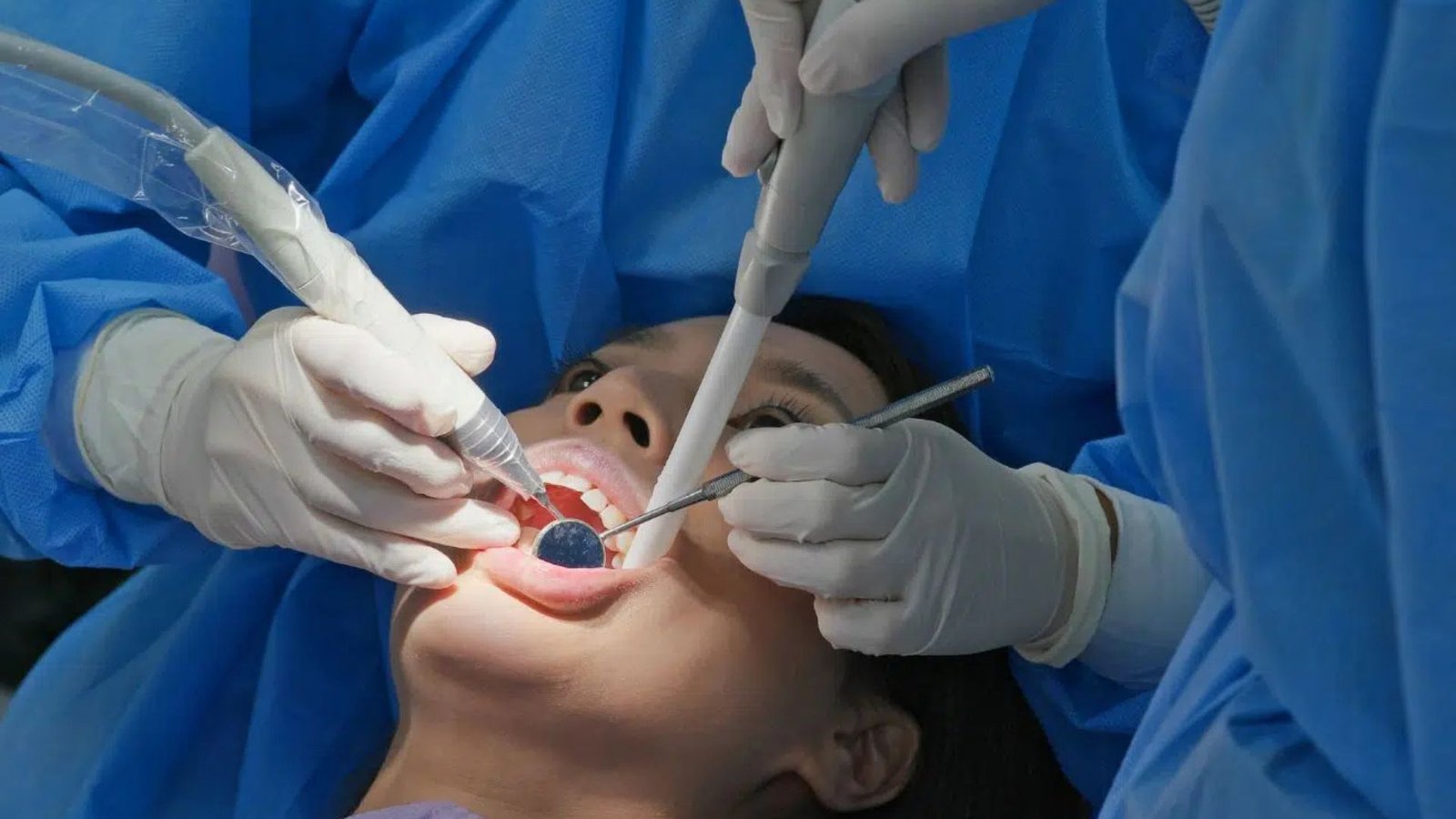
    Oral surgery is a vital part of modern dentistry, offering solutions for a variety of dental problems, from tooth extractions to corrective jaw surgeries. While these procedures are generally safe and effective, like any surgery, they do come with certain risks. Understanding these risks can help you make an informed decision about your treatment and ensure you are well-prepared for the process. In this article, we’ll explore the risks involved in oral surgery procedures and how to minimize them.
    Risks Involved In Oral Surgery Procedures
    Risks Involved In Oral Surgery Procedures

    Common Risks Associated With Oral Surgery

    While every surgery carries inherent risks, most people undergo oral surgery without any significant complications. However, it’s important to be aware of the potential risks. These can include:

    1. Infection

    Infections are one of the most common risks associated with any surgery, including oral surgery. Infections can develop at the site of surgery, especially if proper aftercare instructions are not followed, or if bacteria enter through open wounds.

    • Symptoms: Swelling, redness, warmth, or drainage of pus from the incision site.
    • Prevention: Oral surgeons typically prescribe antibiotics to prevent infection, and following post-surgical care instructions is crucial to reduce the risk.

    2. Excessive Bleeding

    Although some bleeding after oral surgery is normal, excessive bleeding can occur in certain situations, especially if the patient has an underlying bleeding disorder or is on medications like blood thinners. Severe bleeding can complicate the recovery process and may require additional medical attention.

    • Symptoms: Continuous bleeding that does not stop after pressure is applied or unusual swelling.
    • Prevention: Your surgeon will assess your medical history and any medications you’re taking before the procedure. Following post-op care guidelines, such as avoiding excessive physical activity, can help minimize bleeding risks.

    3. Nerve Damage

    Oral surgeries involving the jaw, gums, or teeth may cause nerve damage, which can lead to numbness, tingling, or loss of sensation in areas such as the lips, chin, or tongue. In most cases, the nerve damage is temporary, but in rare instances, it can be permanent.

    • Symptoms: Numbness, tingling, or a “pins-and-needles” sensation that persists.
    • Prevention: Experienced oral surgeons take great care during the procedure to avoid nerves. Discussing your medical history and any prior issues with anesthesia can help minimize the risk of nerve damage.

    4. Dry Socket

    Dry socket (also known as alveolar osteitis) occurs when the blood clot at the extraction site becomes dislodged or dissolves prematurely, exposing the bone and nerves. This condition can be painful and delay the healing process. It is more common after tooth extractions, particularly wisdom teeth removal.

    • Symptoms: Severe pain that begins a few days after surgery, along with a bad taste or odor from the extraction site.
    • Prevention: Avoiding smoking, using straws, and following post-operative instructions on eating and drinking can help prevent dry socket.

    5. Swelling and Bruising

    Swelling and bruising around the surgical area are common after oral surgery, particularly with procedures like tooth extractions or jaw surgery. While these side effects are usually temporary, they can be uncomfortable and affect your recovery.

    • Symptoms: Swelling, bruising, and discomfort around the affected area.
    • Prevention: Applying ice to the affected area in intervals during the first 24 hours after surgery can help reduce swelling. Resting and keeping your head elevated can also minimize swelling.

    6. Damage to Surrounding Teeth or Structures

    In some cases, oral surgery may inadvertently affect nearby teeth or structures, such as the gums, sinuses, or nerves. For example, a tooth extraction could lead to damage to adjacent teeth, or jaw surgery might affect the alignment of other teeth.

    • Symptoms: Pain, sensitivity, or discomfort in teeth or structures near the surgical site.
    • Prevention: Choosing an experienced oral surgeon who can carefully plan and execute the surgery is key to minimizing this risk.

    How to Minimize Risks

    While risks are inherent in any surgery, there are several ways you can reduce the chances of complications during and after your oral surgery:

    1. Choose an Experienced Oral Surgeon

    One of the most effective ways to minimize the risks of oral surgery is to choose a skilled, experienced, and board-certified oral surgeon. Surgeons with expertise in specific procedures will be more familiar with potential complications and how to avoid them.

    • Tip: Ask your surgeon about their experience with the specific procedure you are having done and ensure they are board-certified.

    2. Follow Pre-Surgical Instructions

    Your oral surgeon will provide instructions before the surgery to help prepare your body and reduce the risk of complications. These instructions may include guidelines about eating, drinking, and medications. It’s important to follow these guidelines carefully.

    • Tip: Disclose any medications you’re taking, including over-the-counter medications and supplements, as some may affect your surgery or recovery.

    3. Follow Post-Surgical Instructions

    Following the aftercare instructions provided by your surgeon is crucial for a smooth recovery and minimizing risks. These instructions may include avoiding certain foods, activities, or habits like smoking, which could lead to complications such as infection or dry socket.

    • Tip: Use ice packs to reduce swelling, take prescribed medications as directed, and attend any follow-up appointments to monitor your recovery.

    4. Maintain Good Oral Hygiene

    Keeping the surgical area clean is essential for preventing infections. Brush your teeth carefully around the surgery site, and use any prescribed mouth rinses to keep the area clean. However, be gentle when brushing around the incision to avoid disturbing the healing process.

    • Tip: Ask your surgeon when it’s safe to resume regular brushing and flossing after the surgery.

    5. Avoid Smoking and Alcohol

    Smoking and alcohol consumption can hinder the healing process and increase the risk of complications like infection and dry socket. It’s advised to avoid smoking for at least 48-72 hours after the surgery, or even longer if possible.

    • Tip: Stay away from alcohol and smoking until you’ve fully recovered from the surgery.

    When to Seek Medical Attention

    While some discomfort is expected after oral surgery, there are certain signs that you should seek medical attention immediately:

    • Uncontrolled Bleeding: If bleeding does not stop after applying pressure for 30 minutes.
    • Severe Pain: Pain that doesn’t subside with medication or gets worse after a few days.
    • Signs of Infection: Fever, persistent swelling, pus, or a foul taste in your mouth.
    • Nerve Issues: Numbness or tingling that lasts longer than expected.

    Conclusion

    Oral surgery is generally safe, but it’s important to understand the potential risks involved. By choosing a qualified oral surgeon, following pre- and post-operative instructions, and keeping up with good oral hygiene, you can minimize the risk of complications and ensure a smooth recovery. While risks such as infection, excessive bleeding, or nerve damage can occur, they are rare and often manageable with prompt medical attention. Discuss your concerns with your oral surgeon, and be sure to follow all recommended guidelines for the best results.

  • Oral Surgery To Correct Jaw Misalignment

    Oral Surgery To Correct Jaw Misalignment

    Jaw misalignment, also known as malocclusion, can cause a variety of dental and health issues, such as difficulty chewing, speaking, or breathing. In some cases, misalignment is more than just a cosmetic concern – it can lead to pain, discomfort, and long-term complications. Oral surgery to correct jaw misalignment is an effective solution for individuals dealing with significant bite issues. This guide will explain how oral surgery works to correct jaw misalignment and what to expect during and after the procedure.

    Oral Surgery To Correct Jaw Misalignment
    Oral Surgery To Correct Jaw Misalignment

    What Is Jaw Misalignment?

    Jaw misalignment occurs when the upper and lower jaws do not align properly. This misalignment can be caused by several factors, including genetics, injury, or developmental issues during childhood. There are different types of jaw misalignment, including:

    • Underbite: The lower jaw protrudes beyond the upper jaw.
    • Overbite: The upper jaw extends too far over the lower jaw.
    • Crossbite: Some upper teeth fall inside the lower teeth, affecting the alignment of the jaws.
    • Open Bite: The front teeth do not touch when the mouth is closed, leaving a gap.

    These types of misalignment can affect both the appearance of your smile and the functionality of your bite. In more severe cases, correcting jaw misalignment may require oral surgery.

    Why Is Oral Surgery Needed For Jaw Misalignment?

    In many cases, non-surgical methods such as braces or orthodontic treatment can help correct mild to moderate jaw misalignment. However, when the misalignment is severe or does not improve with braces alone, oral surgery may be necessary.

    Orthognathic surgery, also known as jaw surgery, is the procedure used to correct significant jaw misalignment. It involves realigning the upper and/or lower jaw to improve both the function and appearance of your bite. This surgery is typically recommended when the misalignment causes:

    • Difficulty Chewing or Biting: Misaligned jaws can make it hard to bite or chew food properly.
    • Jaw Pain or Discomfort: Misalignment can cause pain in the jaw joints (TMJ), neck, or head.
    • Speech Problems: A misaligned jaw can affect the way you speak.
    • Breathing Issues: Severe misalignment may interfere with airflow, making breathing difficult, especially at night.
    • Aesthetic Concerns: Misaligned jaws can lead to an uneven or unbalanced facial appearance.

    Correcting jaw misalignment through oral surgery can significantly improve both the function and aesthetics of your jaw and teeth.

    How Does Oral Surgery To Correct Jaw Misalignment Work?

    Oral surgery to correct jaw misalignment is a detailed and carefully planned procedure that is performed by an oral and maxillofacial surgeon. The surgery typically involves the following steps:

    1. Pre-Surgical Preparation

    Before undergoing jaw surgery, the surgeon will conduct a thorough examination, which may include X-rays, 3D imaging, and dental impressions. This helps the surgeon create a personalized surgical plan. You will also work with an orthodontist, who will likely place braces on your teeth prior to surgery to align your teeth and prepare them for the procedure. These braces will remain in place for several months or even years before surgery, depending on the severity of the misalignment.

    • Tip: The pre-surgical phase may take some time, so it’s important to follow all instructions from your dentist and surgeon to ensure the best outcome.

    2. Anesthesia

    On the day of the surgery, you will be given anesthesia to ensure you are comfortable and pain-free. Depending on the complexity of the surgery, general anesthesia (where you are completely asleep) or local anesthesia (where only the jaw area is numbed) may be used. In some cases, IV sedation may also be used to help you relax during the procedure.

    3. Jaw Realignment

    The surgeon will make incisions inside your mouth or in discreet locations on your face to access the jawbone. Once the jaw is exposed, the surgeon will reposition the upper or lower jaw (or both) to correct the alignment. In some cases, the jaw may need to be cut and reshaped to fit properly.

    • Upper Jaw Surgery (LeFort I): This procedure involves moving the upper jaw forward or backward to align it with the lower jaw.
    • Lower Jaw Surgery (Mandibular Osteotomy): This procedure involves repositioning the lower jaw to improve bite function and appearance.

    The surgeon may also use plates, screws, or wires to secure the jaw in its new position.

    4. Closing the Incisions

    After realigning the jaw, the surgeon will close the incisions with sutures. These may dissolve over time, or they may need to be removed after a few weeks, depending on the type of sutures used.

    5. Post-Surgery Care

    After surgery, you will be monitored in a recovery room for a few hours to ensure you are stable and comfortable. You may experience some swelling, bruising, and discomfort in the first few days, but your surgeon will provide pain management options to help ease any pain.

    • Tip: Follow the post-surgery care instructions carefully, including avoiding hard foods, practicing good oral hygiene, and attending follow-up appointments to ensure proper healing.

    Recovery After Jaw Surgery

    The recovery process after jaw surgery varies depending on the extent of the surgery, your health, and how well you follow post-operative instructions. Here’s what to expect during recovery:

    1. Initial Recovery Period

    In the first few days following surgery, you will likely experience swelling, bruising, and discomfort. Ice packs can help reduce swelling, and pain medication will be prescribed to manage any discomfort. You may be advised to stick to a liquid or soft food diet during the early stages of recovery to avoid strain on your jaw.

    2. Orthodontic Adjustments

    After the surgery, you may need to continue wearing braces for a period of time, depending on your specific case. Your orthodontist will monitor your progress and make adjustments to ensure your teeth stay aligned during the healing process.

    3. Follow-Up Appointments

    You will need to attend follow-up appointments with both your oral surgeon and orthodontist to monitor your recovery and ensure that your jaw heals properly. The surgeon will check the alignment of your jaw, while the orthodontist will continue to adjust your braces to perfect your bite.

    4. Full Recovery

    Complete recovery from jaw surgery can take several months. Swelling and discomfort should gradually subside, and you will gradually return to normal activities. It may take up to a year or more for the final results to be fully realized, as the jaw continues to settle into its new position.

    Risks and Complications

    As with any surgical procedure, there are some risks associated with jaw surgery, including:

    • Infection: Though rare, infections can occur after surgery, requiring additional treatment.
    • Nerve Damage: Temporary or permanent nerve damage can occur, leading to numbness or tingling in the face, lips, or tongue.
    • Relapse: In some cases, the jaw may not remain in the desired position, requiring further treatment or surgery.
    • Scarring: While incisions are typically made inside the mouth, there may be some scarring in the mouth or along the jawline.

    Your surgeon will explain these risks to you in detail and work with you to minimize any potential complications.

    Conclusion

    Oral surgery to correct jaw misalignment is a highly effective procedure for improving both the function and appearance of your bite. While the process involves careful planning, recovery, and post-surgery care, the long-term benefits can significantly enhance your quality of life. If you’re struggling with jaw misalignment, consult an oral and maxillofacial surgeon to discuss your options and determine whether jaw surgery is the right solution for you.

  • Affordable Oral Surgery Options Near Me

    Affordable Oral Surgery Options Near Me

    Oral surgery is often necessary for a variety of dental issues, including tooth extractions, dental implants, or treating oral health problems. However, the cost of these procedures can be a concern for many individuals. If you’re searching for affordable oral surgery options near you, this guide will provide valuable information on how to find cost-effective treatments without compromising on the quality of care.

    Affordable Oral Surgery Options Near Me
    Affordable Oral Surgery Options Near Me

    What is Oral Surgery?

    Oral surgery involves surgical procedures that treat problems related to the mouth, teeth, and jaw. These may include:

    • Tooth Extractions – Removing damaged or impacted teeth, including wisdom teeth.
    • Dental Implants – Replacing missing teeth with artificial ones.
    • Corrective Jaw Surgery – Treating issues related to misaligned or dysfunctional jaws.
    • Gum Surgery – Addressing periodontal disease or other gum-related issues.

    While these procedures are essential for maintaining oral health, they can be expensive depending on the complexity of the surgery. But don’t worry—there are several ways to find affordable oral surgery options near you.

    1. Check with Local Dental Schools

    One of the best ways to save money on oral surgery is by considering treatment at a dental school. Dental schools often offer procedures at a reduced cost because the surgeries are performed by dental students under the supervision of experienced faculty members. These procedures are typically high-quality but at a more affordable price.

    • Why It Works: Dental students gain valuable experience while they receive treatment at a fraction of the typical cost.
    • Tip: Look for accredited dental schools in your area and call to inquire about oral surgery services and pricing.

    2. Search for Local Community Health Clinics

    Many community health clinics offer dental services, including oral surgery, at affordable rates. These clinics are designed to serve low-income families and individuals who may not have dental insurance or the funds to pay for expensive procedures. The costs at these clinics are often reduced, and they sometimes offer sliding scale fees based on income.

    • Why It Works: Community health clinics make dental services more accessible and affordable for everyone.
    • Tip: Research community health centers in your area to see if they offer oral surgery services. Some may even accept Medicaid or other government assistance programs.

    3. Look for Dentists Offering Payment Plans

    If you need oral surgery but are concerned about upfront costs, look for dentists who offer payment plans. Many dental offices understand that oral surgery can be expensive and will provide flexible payment options, allowing you to pay for the procedure in installments over time. This can make it easier to manage the cost of treatment without straining your budget.

    • Why It Works: Payment plans allow you to spread the cost of surgery over several months or years, making it more manageable.
    • Tip: Ask the dental office about financing options before scheduling the procedure to ensure you understand the terms and conditions.

    4. Check Your Dental Insurance Coverage

    If you have dental insurance, it may cover part or all of the cost of oral surgery, depending on your policy. Some plans cover procedures like tooth extractions, dental implants, or jaw surgeries, especially if the surgery is deemed medically necessary. Be sure to check with your insurance provider to determine what is covered under your plan.

    • Why It Works: Dental insurance can significantly reduce your out-of-pocket expenses for oral surgery.
    • Tip: Contact your insurance provider to confirm which oral surgery procedures are covered, and ask your dentist for a detailed breakdown of costs.

    5. Find Dentists Offering Discounts for Cash Payments

    Some dentists offer discounts for cash payments, as it eliminates the hassle and fees associated with insurance companies. If you can pay for your oral surgery upfront, you may be able to take advantage of these discounts, which can help lower the overall cost of the procedure.

    • Why It Works: Paying in cash may result in a lower cost, as the dentist avoids the administrative burden of working with insurance companies.
    • Tip: Inquire with your dentist about any available discounts for paying with cash, and weigh the savings against the overall procedure cost.

    6. Look for Special Promotions or Offers

    Many dental practices run special promotions or seasonal offers that can help lower the cost of oral surgery. For example, a dental office might offer a discount for first-time patients, reduced prices during certain months, or packages that bundle different procedures together at a discounted rate.

    • Why It Works: Promotional offers can provide significant savings on necessary oral surgeries, making them more affordable.
    • Tip: Sign up for newsletters or follow local dental offices on social media to stay updated on special promotions and discounts.

    7. Research Financing Companies

    If you’re unable to pay for oral surgery upfront but don’t have dental insurance, consider applying for dental financing through a third-party company. Many companies specialize in financing medical and dental procedures, offering low-interest or even interest-free payment plans for eligible patients.

    • Why It Works: Dental financing options make it easier to pay for the surgery in monthly installments, helping you manage your budget.
    • Tip: Research reputable financing companies that work with dental practices in your area, and ask your dentist if they partner with any financing providers.

    8. Consider a Second Opinion

    If you’ve already received a quote for oral surgery, it might be worth seeking a second opinion from another dental professional. Sometimes, prices vary greatly between dentists, and a second opinion might provide a more affordable option without compromising on the quality of care.

    • Why It Works: Getting a second opinion ensures you’re getting the best price and may reveal more affordable treatment options.
    • Tip: Don’t be afraid to ask for a breakdown of costs and explore different treatment options with multiple providers.

    9. Look for Nonprofit or Charitable Organizations

    There are several nonprofit organizations and charitable foundations that may assist with dental procedures for those in financial need. These organizations can sometimes help with the cost of oral surgery, especially if you have a serious dental health issue that requires surgery but cannot afford it.

    • Why It Works: Nonprofit organizations often have funds set aside to assist individuals who cannot afford dental procedures.
    • Tip: Research local nonprofit organizations that focus on providing dental care and inquire about assistance programs.

    Conclusion

    Finding affordable oral surgery options near you doesn’t have to be difficult. By exploring options such as dental schools, community health clinics, payment plans, and discounts for cash payments, you can reduce the financial burden of oral surgery. Additionally, checking your insurance coverage, considering dental financing, and seeking second opinions can help you find the most cost-effective treatment.

    Remember to always prioritize your oral health, and don’t hesitate to reach out to local dental offices or organizations for assistance. With the right resources, you can receive the care you need without breaking the bank.

  • Oral Surgery Aftercare Tips For Quick Healing

    Oral surgery can be a necessary and effective way to address dental issues such as tooth extractions, dental implants, or jaw corrections. However, the recovery process is just as important as the procedure itself. Proper aftercare helps minimize complications, reduces pain, and speeds up healing. In this article, we will share essential oral surgery aftercare tips to help you recover as quickly and comfortably as possible.

    Oral Surgery Aftercare Tips For Quick Healing
    Oral Surgery Aftercare Tips For Quick Healing

    1. Follow Post-Surgery Instructions Carefully

    The first and most important step to ensure a quick recovery is to carefully follow your oral surgeon’s post-surgery instructions. Your surgeon will give you a set of personalized instructions that cater to your specific surgery. These guidelines will include information about pain management, eating habits, and how to care for the surgical site.

    • Tip: Don’t skip any steps in the aftercare process. Whether it’s taking prescribed medications, applying ice, or keeping the area clean, following all instructions will help avoid complications.

    2. Rest and Avoid Strenuous Activities

    While it may be tempting to jump back into your routine, it’s essential to get plenty of rest after oral surgery. Your body needs energy to heal, so avoid any strenuous activities like exercise, lifting heavy objects, or doing intense physical work for the first few days.

    • Why It Works: Rest allows your body to focus on healing and reduces the risk of stress or bleeding at the surgical site.
    • Tip: If possible, take time off work or school for the first few days to rest and recover.

    3. Use Ice to Reduce Swelling

    Swelling is a common side effect of oral surgery, especially in the first 48 hours. Applying ice packs to your face near the surgical site can help reduce swelling and numb the area, making you feel more comfortable.

    • Tip: Apply an ice pack wrapped in a cloth to the affected area for 15-20 minutes every hour during the first day after surgery. This will help minimize swelling and discomfort.

    4. Follow a Soft Diet

    After oral surgery, it’s best to stick to soft, easy-to-eat foods to avoid irritating the surgical site. Foods like yogurt, mashed potatoes, scrambled eggs, smoothies, and soups are great choices. Avoid hard, crunchy, or spicy foods that may cause pain or injury to the sensitive area.

    • Why It Works: Soft foods reduce the risk of disturbing the surgical site or causing irritation. It also prevents any pressure that might disrupt stitches or blood clots.
    • Tip: Chew on the opposite side of your mouth from the surgery site to avoid putting pressure on the affected area.

    5. Stay Hydrated and Avoid Straws

    It’s important to stay hydrated after surgery, as drinking plenty of water supports the healing process. However, avoid using a straw, as the suction can dislodge blood clots at the surgical site, leading to a condition called dry socket.

    • Why It Works: Hydration helps the body heal, while avoiding straws protects the healing tissue and prevents complications.
    • Tip: Drink water, juice, or clear liquids directly from a glass and avoid any sucking motions.

    6. Manage Pain with Medications

    You’ll likely experience some discomfort after your oral surgery, especially in the first few days. Your oral surgeon may prescribe pain relievers or recommend over-the-counter medications like ibuprofen to help manage pain and inflammation.

    • Why It Works: Pain medication helps to alleviate discomfort, allowing you to rest and recover without unnecessary suffering.
    • Tip: Take your prescribed pain medications as directed. Do not wait until the pain becomes unbearable. Taking medication at the first sign of discomfort can help prevent it from escalating.

    7. Keep the Surgical Site Clean

    It’s important to maintain good oral hygiene during your recovery period to avoid infection and promote healing. Your dentist or surgeon will give you specific instructions on how to clean your mouth without disturbing the surgical site. This may include rinsing gently with saltwater after meals or using an antibacterial mouthwash.

    • Why It Works: Keeping the area clean reduces the risk of infection and ensures the healing process is as smooth as possible.
    • Tip: Avoid brushing the area directly until it has fully healed. Use a soft-bristled toothbrush to clean the rest of your mouth gently.

    8. Avoid Smoking and Alcohol

    Smoking and alcohol consumption can delay the healing process and increase the risk of complications, such as infection or dry sockets. Nicotine reduces blood flow to the healing tissues, and alcohol can interfere with pain medication and the body’s natural healing response.

    • Why It Works: Both smoking and alcohol can negatively affect your body’s ability to heal, making recovery take longer and potentially causing other issues.
    • Tip: If possible, avoid smoking and drinking alcohol for at least 72 hours after your surgery, and follow your dentist’s specific advice regarding this.

    9. Take It Easy with Oral Care Products

    While you may be tempted to use mouthwashes or other oral care products to speed up recovery, it’s important to choose products that are gentle and specifically recommended by your dentist or surgeon. Some mouthwashes, especially those with alcohol, can irritate the healing tissue.

    • Why It Works: Harsh products can cause pain or discomfort at the surgery site and may hinder the healing process.
    • Tip: Stick to a mild saltwater rinse or an alcohol-free mouthwash as recommended by your dentist.

    10. Keep Follow-Up Appointments

    After oral surgery, it’s important to attend any follow-up appointments scheduled with your dentist or surgeon. These appointments allow your healthcare provider to check for signs of complications, such as infection, and ensure that your healing process is on track.

    • Why It Works: Regular checkups help catch any potential problems early, ensuring that you recover as smoothly as possible.
    • Tip: Don’t skip your follow-up appointments, and let your dentist know if you experience any unusual symptoms, such as severe pain, excessive swelling, or fever.

    Conclusion

    Recovering from oral surgery can take time, but by following these aftercare tips, you can promote quick healing and minimize the risk of complications. Rest, hydration, proper hygiene, and following your oral surgeon’s instructions are key to ensuring a smooth recovery. Be patient with your body as it heals, and don’t hesitate to contact your dentist if you have concerns. With the right care, you’ll be back to your routine with a healthy smile in no time.

  • What Is Oral Surgery Recovery Time

    What Is Oral Surgery Recovery Time

    Oral surgery is a common procedure that can include anything from tooth extractions to more complex surgeries like dental implants or jaw correction. While the procedure itself can be straightforward, recovery time varies depending on the type of surgery and the individual. Understanding the typical recovery timeline and the factors that affect it can help you prepare and manage expectations after your oral surgery.

    In this article, we’ll go over what to expect in terms of recovery time after oral surgery, and how you can promote healing for a smooth recovery.

    What Is Oral Surgery Recovery Time
    What Is Oral Surgery Recovery Time

    Types of Oral Surgery and Recovery Time

    The recovery time after oral surgery depends largely on the type of procedure you’ve had. Some surgeries require only a short recovery period, while others may take weeks for complete healing. Here are some common types of oral surgery and their typical recovery times:

    1. Tooth Extractions

    For simple tooth extractions, such as pulling a single tooth, the recovery time is relatively short. Most people can expect to feel better within a few days.

    • Recovery Time: 3-7 days
    • What to Expect: After a simple tooth extraction, there may be mild swelling, bruising, and discomfort. You can usually return to normal activities after a few days, but it’s essential to avoid strenuous activity to allow the blood clot to form properly.

    Tip: Follow your dentist’s aftercare instructions, like avoiding drinking from a straw or smoking, as these can delay healing.

    2. Wisdom Teeth Removal

    Wisdom teeth removal is one of the most common types of oral surgery. The recovery time for wisdom teeth removal can vary based on how many teeth were removed and whether they were impacted.

    • Recovery Time: 1-2 weeks
    • What to Expect: Swelling, bruising, and discomfort are common. The first 2-3 days may require some rest, and you’ll likely need to stick to soft foods during this time. Full recovery could take a few weeks, especially if the teeth were impacted.

    Tip: Applying ice packs to your face can help reduce swelling in the first 48 hours.

    3. Dental Implants

    Dental implants are used to replace missing teeth and involve a surgical procedure where a titanium post is inserted into the jawbone. The healing time for dental implants is longer compared to simpler procedures.

    • Recovery Time: 3-6 months
    • What to Expect: While the initial discomfort and swelling will subside in about a week, the bone will need several months to fully heal around the implant. During this time, you may need to follow up with your dentist to ensure proper healing.

    Tip: Avoid hard or sticky foods during the healing process to protect the implant site.

    4. Jaw Surgery (Orthognathic Surgery)

    Jaw surgery is a more complex procedure performed to correct issues such as jaw misalignment or deformities. Recovery from jaw surgery can take longer due to the complexity of the procedure.

    • Recovery Time: 6-8 weeks for initial healing, up to 1 year for full recovery
    • What to Expect: During the first few weeks, you may experience significant swelling and bruising. It is common to have a restricted diet during the early recovery period, and follow-up appointments with your surgeon will be necessary.

    Tip: Follow all dietary and activity restrictions during the recovery period to ensure proper healing and avoid complications.

    Factors Affecting Recovery Time

    While general recovery timelines can be estimated, the actual recovery time will vary depending on several factors:

    1. Age

    Older patients may experience a longer recovery time compared to younger individuals. The body’s natural healing abilities slow down with age, which can impact how quickly you recover from oral surgery.

    2. Health Condition

    Your overall health plays a significant role in how fast you recover. If you have any pre-existing conditions, such as diabetes or a compromised immune system, recovery may take longer. Be sure to inform your dentist or surgeon about any health concerns before your surgery.

    3. Complexity of the Procedure

    More complex surgeries, like dental implants or jaw surgery, generally require a longer recovery time due to the invasiveness of the procedure. For example, impacted wisdom teeth or bone grafts require more healing time than a simple tooth extraction.

    4. Post-Surgery Care

    Proper post-surgery care can significantly affect the speed and quality of your recovery. Following your dentist’s aftercare instructions closely, such as taking prescribed medications and avoiding certain foods or activities, will help speed up healing and prevent complications.

    Tips to Promote Faster Recovery

    While recovery after oral surgery is often unavoidable, there are several steps you can take to speed up the healing process and make the experience more comfortable:

    1. Follow Aftercare Instructions

    Always follow the instructions provided by your oral surgeon. These guidelines may include how to manage pain, what foods to eat, and how to care for the surgical site. Proper aftercare helps prevent infections and promotes faster healing.

    2. Rest and Avoid Strenuous Activities

    Rest is crucial in the first few days after surgery. Avoid heavy lifting, exercise, and strenuous activities to allow your body to focus on healing.

    3. Use Ice to Reduce Swelling

    Applying an ice pack to the affected area in the first 48 hours can help minimize swelling and discomfort. Just be sure not to place the ice directly on your skin—wrap it in a cloth or towel.

    4. Eat Soft Foods

    Eating soft foods during the early recovery period can reduce discomfort and prevent damage to the surgical site. Examples include mashed potatoes, smoothies, yogurt, and soups.

    5. Stay Hydrated

    Drinking plenty of water helps keep your body hydrated and supports the healing process. Avoid drinking through a straw, as the suction can dislodge the blood clot and slow down recovery.

    6. Take Prescribed Medications

    If your surgeon prescribes pain relievers or antibiotics, take them as directed to manage discomfort and prevent infection. Over-the-counter pain relievers like ibuprofen can also help manage swelling and pain.

    Conclusion

    The recovery time after oral surgery varies depending on the type of procedure, your age, health, and how well you follow aftercare instructions. Simple procedures like tooth extractions may require only a few days of recovery, while more complex surgeries like dental implants and jaw surgery can take several months for full recovery.

    By following proper aftercare, avoiding strenuous activities, and being patient, you can ensure a smoother and faster recovery process. Always communicate with your dentist or surgeon if you have concerns or experience unusual symptoms during your recovery. With the right care, you’ll be back to your normal routine with a healthy smile in no time!

  • The Role of Oral Surgeons in Treating Oral Cancer

    The Role of Oral Surgeons in Treating Oral Cancer

    Oral cancer is a serious condition that can affect the mouth, throat, tongue, and other oral structures. Early detection and effective treatment are crucial for improving outcomes and survival rates. Oral surgeons play a vital role in diagnosing and treating oral cancer, using advanced techniques to manage the disease and improve patients’ quality of life. In this post, we will explore the role of oral surgeons in the diagnosis, treatment, and rehabilitation of oral cancer patients.

    The Role of Oral Surgeons in Treating Oral Cancer
    The Role of Oral Surgeons in Treating Oral Cancer

    What Is Oral Cancer?

    Oral cancer, also known as oropharyngeal cancer, refers to cancers that develop in the tissues of the mouth, tongue, lips, gums, and the throat. It is commonly associated with risk factors such as tobacco use, heavy alcohol consumption, and HPV (Human Papillomavirus) infection. Symptoms may include persistent sores, difficulty swallowing, pain while chewing, or unexplained weight loss. Early-stage oral cancer may be asymptomatic, which is why regular dental checkups are essential for early detection.

    The Role of Oral Surgeons in Diagnosis

    Oral surgeons are often among the first healthcare professionals to detect signs of oral cancer. During routine dental exams, they perform thorough inspections of the mouth, gums, tongue, and other oral tissues. If any abnormal growths or lesions are found, the oral surgeon may recommend additional diagnostic tests, such as:

    • Biopsy: The removal of a small tissue sample from the suspicious area to be examined for cancerous cells.
    • Imaging Tests: X-rays, CT scans, or MRIs to determine the extent of the cancer and whether it has spread to nearby tissues or lymph nodes.

    Oral surgeons have specialized training in identifying the subtle signs of oral cancer and can ensure prompt referral for further evaluation, which is crucial for early-stage diagnosis.

    Surgical Treatment of Oral Cancer

    Once oral cancer is diagnosed, oral surgeons play a critical role in the surgical treatment. The type of surgery required depends on the size, location, and stage of the cancer. Common procedures performed by oral surgeons include:

    1. Tumor Removal

    In many cases, the primary treatment for oral cancer involves the surgical removal of the tumor. This can involve the excision of cancerous tissue from the affected area, which may include the mouth, tongue, or surrounding tissues. The goal of this surgery is to remove as much of the cancer as possible while preserving the functionality and appearance of the mouth.

    2. Resection of Affected Structures

    If the cancer has spread to other oral structures, such as the jaw or lymph nodes, more extensive surgery may be required. This may involve the removal of part of the jawbone (mandibulectomy) or other oral structures. The oral surgeon will aim to remove the cancerous tissues while ensuring that the patient can still speak, chew, and swallow after the procedure.

    3. Reconstruction Surgery

    After the removal of cancerous tissues, reconstruction surgery is often necessary to restore the appearance and functionality of the mouth. Oral surgeons may perform tissue grafts, bone reconstruction, or use prosthetics to rebuild the affected area. This can help patients regain the ability to eat, speak, and smile confidently after surgery.

    Post-Surgical Care and Rehabilitation

    The role of an oral surgeon doesn’t end after surgery. Post-surgical care is crucial to ensure proper healing and recovery. Oral surgeons closely monitor patients after surgery, manage pain, and prevent infection. In some cases, rehabilitation may be necessary to help the patient regain the use of their mouth and facial structures. This can involve:

    • Speech Therapy: If the surgery affects the tongue or vocal cords, speech therapy can help patients recover their ability to speak clearly.
    • Swallowing Therapy: For patients who experience difficulty swallowing after surgery, swallowing therapy may be recommended to help restore normal eating and drinking functions.

    Oral surgeons collaborate with other healthcare providers, such as oncologists, radiologists, and physical therapists, to provide comprehensive care that addresses the patient’s needs.

    The Importance of Multidisciplinary Care

    Oral cancer treatment often requires a multidisciplinary approach, and oral surgeons are a crucial part of this team. Along with oncologists, radiologists, and other specialists, oral surgeons help ensure that all aspects of the patient’s treatment are coordinated. This collaborative approach maximizes the chances of successful treatment and helps provide the best possible outcome for the patient.

    In addition to surgery, patients may also undergo radiation therapy or chemotherapy, depending on the stage of the cancer. Oral surgeons work closely with oncologists to monitor the effects of these treatments on the mouth and can provide additional care to manage complications such as dry mouth, infections, or changes in taste.

    Conclusion

    Oral surgeons play a vital role in the diagnosis, treatment, and rehabilitation of patients with oral cancer. From detecting early signs of the disease to performing complex surgical procedures and offering post-operative care, they are an essential part of the treatment team. If you are at risk for oral cancer or have noticed any unusual symptoms in your mouth, it’s important to seek an evaluation from an oral surgeon. Early intervention and treatment are key to improving outcomes and ensuring a better quality of life for those affected by oral cancer.

  • Risks and Benefits of Oral Surgery Explained

    Risks and Benefits of Oral Surgery Explained

    Oral surgery can provide significant benefits for patients dealing with a variety of dental issues, from wisdom teeth removal to jaw alignment correction. However, like any medical procedure, it comes with its own set of risks. Understanding both the potential risks and benefits of oral surgery can help you make an informed decision about whether this treatment is right for you. In this post, we’ll explore the key advantages and possible complications of oral surgery.

    Risks and Benefits of Oral Surgery Explained
    Risks and Benefits of Oral Surgery Explained

    Benefits of Oral Surgery

    Oral surgery offers several important benefits, particularly for those suffering from complex dental conditions. Below are some of the most notable advantages of undergoing oral surgery.

    1. Improved Oral Health

    One of the primary benefits of oral surgery is that it can significantly improve your oral health. For example, removing impacted wisdom teeth can prevent infections and other complications. Similarly, dental implants can restore missing teeth, improving both the function and appearance of your mouth. Whether it’s removing infected tissue, correcting misaligned jaws, or replacing missing teeth, oral surgery can address underlying dental problems and lead to better overall oral health.

    2. Pain Relief

    Oral surgery can offer long-term relief from dental pain. If you have a severely decayed or infected tooth, a tooth extraction can alleviate constant discomfort. In cases of jaw misalignment, surgery can correct the issue and reduce the pain associated with chewing or speaking. By addressing the root cause of the pain, oral surgery can provide lasting relief and enhance your quality of life.

    3. Enhanced Functionality

    Certain oral surgeries, such as jaw alignment surgery or dental implants, can greatly improve functionality. For instance, if your jaw is misaligned, it may be difficult to chew or speak properly. Jaw surgery can correct this issue, allowing you to perform daily functions without discomfort. Additionally, replacing missing teeth with dental implants restores your ability to chew effectively and prevents the remaining teeth from shifting out of alignment.

    4. Improved Aesthetics

    Oral surgery can also enhance the appearance of your smile. Procedures such as dental implants, gum contouring, or jaw surgery can correct structural issues that affect the aesthetics of your mouth and face. For example, replacing missing teeth with implants restores a natural-looking smile, while jaw surgery can create a more balanced and symmetrical facial appearance.

    Risks of Oral Surgery

    While oral surgery has many benefits, it’s important to be aware of the potential risks and complications. Below are some of the most common risks associated with oral surgery.

    1. Infection

    Infections are a risk with any surgical procedure, including oral surgery. Even though the mouth is full of bacteria, most oral surgeries are performed under sterile conditions to minimize the chance of infection. However, post-surgery infection can still occur, particularly if you don’t follow the proper aftercare instructions. Symptoms of infection may include increased swelling, pain, fever, or drainage of pus. It’s important to follow your surgeon’s recommendations on oral hygiene and post-operative care to reduce the risk of infection.

    2. Bleeding

    Bleeding is another potential complication of oral surgery. While some bleeding is normal right after the procedure, excessive bleeding can occur in rare cases. This is especially common in more complex surgeries, such as tooth extractions or jaw surgery. Your surgeon will typically provide you with instructions to minimize bleeding, such as biting down on gauze or avoiding strenuous physical activity. If you experience persistent bleeding, it’s important to contact your oral surgeon immediately.

    3. Swelling and Bruising

    Swelling and bruising around the surgery site are common after oral surgery. While this is generally temporary and resolves within a few days, it can be uncomfortable. Ice packs, pain medications, and proper rest can help manage swelling and discomfort. However, some patients may experience more severe or prolonged swelling, especially after complex surgeries like jaw surgery or wisdom teeth removal.

    4. Nerve Damage

    In rare cases, oral surgery can result in nerve damage, particularly if the surgery involves the lower jaw or wisdom teeth extraction. Nerve damage may lead to numbness, tingling, or loss of sensation in the affected area, such as the chin, lips, or tongue. Although most nerve injuries are temporary, in some cases, the damage may be permanent. It’s important to discuss any concerns with your surgeon beforehand to understand the potential risks.

    5. Anesthesia Risks

    Oral surgeries often involve the use of anesthesia, which can carry its own set of risks. These risks are generally low, especially with local or sedation anesthesia, but complications can arise, such as allergic reactions, nausea, or breathing difficulties. Your surgeon will evaluate your medical history to determine the safest anesthesia option for you and minimize risks.

    Conclusion

    Oral surgery can provide significant benefits, including improved oral health, pain relief, enhanced functionality, and aesthetic improvements. However, like any surgical procedure, it carries risks such as infection, bleeding, nerve damage, swelling, and anesthesia complications. Understanding both the risks and benefits is crucial in making an informed decision. Be sure to have a thorough discussion with your oral surgeon about the procedure, potential risks, and post-surgery care to ensure the best possible outcome.

  • Can Oral Surgery Fix Sleep Apnea?

    Can Oral Surgery Fix Sleep Apnea?

    Sleep apnea is a serious condition that disrupts normal breathing during sleep, often causing fragmented rest and long-term health issues. While continuous positive airway pressure (CPAP) therapy is the most common treatment for sleep apnea, some patients find that oral surgery can be an effective solution, particularly when other treatments fail. In this post, we’ll explore how oral surgery may help address sleep apnea and when it might be considered as a treatment option.

    Can Oral Surgery Fix Sleep Apnea?
    Can Oral Surgery Fix Sleep Apnea?

    What Is Sleep Apnea?

    Sleep apnea is a sleep disorder characterized by repeated pauses in breathing throughout the night. These pauses, known as apneas, can last for a few seconds to minutes and may occur multiple times per hour. The most common type of sleep apnea is obstructive sleep apnea (OSA), which occurs when the muscles in the throat relax excessively during sleep, blocking the airway. As a result, oxygen levels drop, and the brain is alerted to wake the person briefly to resume breathing.

    If left untreated, sleep apnea can lead to serious health problems, including high blood pressure, heart disease, and daytime fatigue. Traditional treatments, such as CPAP machines or lifestyle changes, can help, but in some cases, oral surgery may be necessary to correct anatomical issues causing the airway obstruction.

    How Can Oral Surgery Help with Sleep Apnea?

    Oral surgery for sleep apnea generally focuses on correcting the physical obstructions that prevent proper airflow. Depending on the cause of the sleep apnea, several surgical options may be considered to open up the airway and reduce or eliminate apneas. Some of these surgeries may involve adjusting the jaw, palate, or other structures in the mouth and throat.

    1. Maxillomandibular Advancement (MMA)

    Maxillomandibular advancement (MMA) is one of the most effective oral surgeries for severe obstructive sleep apnea. In this procedure, the upper (maxillary) and lower (mandibular) jaws are repositioned forward, which helps to increase the size of the airway. By moving the jaw forward, the soft tissues and structures at the back of the throat are also pulled forward, reducing the risk of airway collapse. This procedure has a high success rate for treating sleep apnea, especially in cases where CPAP therapy is ineffective or intolerable.

    2. Genioglossus Advancement (GA)

    Genioglossus advancement is a procedure aimed at tightening the muscles of the tongue and preventing the tongue from collapsing backward during sleep, which can obstruct the airway. The surgery involves repositioning the muscle attachment of the tongue to the lower jaw, thus improving airflow. This procedure is typically performed in combination with other surgeries, such as MMA, to achieve more effective results in treating sleep apnea.

    3. Uvulopalatopharyngoplasty (UPPP)

    Uvulopalatopharyngoplasty (UPPP) is a common surgery used to remove excess tissue from the throat that may be blocking the airway. The surgeon may remove the uvula, parts of the soft palate, and any enlarged tonsils or adenoids. UPPP is often recommended for patients with mild to moderate sleep apnea, particularly if the obstruction is located in the throat area. While UPPP can help alleviate symptoms, it may not be as effective for more severe cases of sleep apnea.

    4. Soft Palate Surgery

    In some cases, the soft palate may be contributing to sleep apnea. Surgery to remove or reduce the tissue in the soft palate can help open up the airway. This type of surgery may be considered when a patient’s sleep apnea is primarily caused by an obstruction in the soft palate region.

    When Is Oral Surgery for Sleep Apnea Necessary?

    Oral surgery for sleep apnea is typically considered when other non-surgical treatments have failed or are unsuitable for the patient. For example, CPAP therapy is the most common and effective treatment for obstructive sleep apnea, but some people find it uncomfortable or cannot tolerate it long-term. In these cases, surgery may be recommended to address the underlying anatomical issues causing the airway obstruction.

    Patients with severe sleep apnea or anatomical features that contribute to the condition, such as a recessed jaw or enlarged tonsils, may benefit from surgery. Surgery may also be considered for individuals who have tried other treatments but continue to experience significant symptoms, including daytime fatigue, difficulty concentrating, and heart problems.

    Conclusion

    Oral surgery can be an effective solution for individuals with sleep apnea, especially when other treatments such as CPAP are not an option. Procedures like maxillomandibular advancement, genioglossus advancement, and uvulopalatopharyngoplasty can help alleviate the airway obstruction and improve breathing during sleep. If you are struggling with sleep apnea and have not found relief with other treatments, consult with an oral surgeon or sleep specialist. They can help determine if oral surgery is the right option for you and improve your quality of life.


  • Understanding Sedation Options for Oral Surgery

    Understanding Sedation Options for Oral Surgery

    Undergoing oral surgery can be a nerve-wracking experience for many patients. Whether it’s wisdom teeth removal, dental implants, or other procedures, the thought of the surgery itself or the pain afterward can cause anxiety. Fortunately, various sedation options are available to help you stay comfortable and relaxed throughout the procedure. This post will explore the different sedation methods used in oral surgery and guide you on which option may be best for you.

    Understanding Sedation Options for Oral Surgery
    Understanding Sedation Options for Oral Surgery

    Types of Sedation for Oral Surgery

    There are several sedation methods that oral surgeons use to help patients feel at ease during their procedure. These options range from mild sedation, where you’re awake but relaxed, to general anesthesia, where you’re completely unconscious. Let’s look at the common types of sedation used in oral surgery.

    1. Local Anesthesia

    Local anesthesia is the most basic form of sedation. It is often used for minor procedures or when only one or two teeth need to be treated. In this method, a local anesthetic (such as lidocaine) is injected directly into the area around the treatment site. You will remain fully awake during the surgery, but the numbing effect will prevent any pain or discomfort in the targeted area. While you will be conscious, you won’t feel any sensations in the area being treated.

    2. Nitrous Oxide Sedation (Laughing Gas)

    Nitrous oxide, commonly known as laughing gas, is a mild sedative that helps patients relax during their procedure. It is administered through a mask placed over your nose, where you inhale the gas. Nitrous oxide provides a calming effect, reducing anxiety and making the procedure feel less stressful. While you remain awake and aware, the effects wear off quickly after the surgery, allowing you to resume normal activities right away. This option is ideal for patients who experience mild anxiety but want to remain conscious during the procedure.

    3. Oral Sedation

    Oral sedation involves taking a sedative in pill form before the surgery. The sedative will help you feel calm and relaxed, although you will still be awake and responsive. Depending on the dosage, oral sedation can range from mild to moderate. For more extensive procedures, moderate oral sedation may cause you to feel drowsy or even fall asleep for part of the procedure. However, you will be easily roused, and you will remember little to nothing of the surgery afterward. Since this sedation may make you drowsy, it is essential to arrange for someone to drive you home afterward.

    4. IV Sedation

    Intravenous (IV) sedation is a more powerful option used for patients who need a deeper level of sedation. The sedative is administered directly into the bloodstream through an IV, allowing for precise control over the sedation level. With IV sedation, patients typically enter a state known as “conscious sedation,” where they are deeply relaxed but still able to respond to instructions. While you may feel sleepy and relaxed, you won’t be fully unconscious, and you may remember little of the procedure. IV sedation is often used for more complex surgeries, such as the extraction of multiple teeth or dental implants.

    5. General Anesthesia

    For extensive oral surgeries, general anesthesia may be required. This method renders you fully unconscious, meaning you will be completely unaware of the procedure. General anesthesia is usually reserved for very invasive surgeries or for patients with severe anxiety who cannot tolerate any level of awareness during the surgery. The sedative is administered through an IV or inhaled gas, and you will be monitored closely throughout the procedure. While general anesthesia is highly effective for ensuring that patients are completely comfortable, it also requires a longer recovery time and must be performed in a surgical setting with professional monitoring.

    Choosing the Right Sedation Option

    The choice of sedation depends on several factors, including the complexity of the surgery, the patient’s level of anxiety, and the dentist’s recommendation. For minor procedures, local anesthesia or nitrous oxide may be sufficient. However, for more invasive surgeries, such as multiple tooth extractions or dental implants, your oral surgeon may recommend oral sedation, IV sedation, or even general anesthesia.

    Before your procedure, discuss your options with your oral surgeon. They will take your medical history into account, including any allergies or health concerns, to recommend the safest and most effective sedation option for you. You should also be sure to communicate any concerns or anxieties you have about the procedure so that your surgeon can address them properly.

    Conclusion

    Understanding your sedation options for oral surgery can help you make an informed decision about how to manage discomfort and anxiety during your procedure. From local anesthesia to general anesthesia, there are various ways to ensure that you remain relaxed and comfortable. Always consult with your oral surgeon to choose the sedation method that best suits your needs. With the right approach, oral surgery can be a more manageable and stress-free experience, leading to better results and a smoother recovery.